How Long Does a Beauty Blender Last? A 2026 Longevity Guide
Learn how long a beauty blender lasts, what affects its lifespan, and practical care steps to extend life. A data-driven, actionable guide from BlendHowTo.


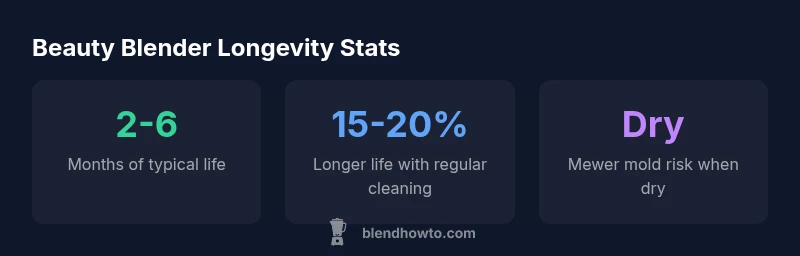
How long does a beauty blender last? The typical lifespan is 2-6 months with regular use, depending on frequency of use, cleaning, and storage. According to BlendHowTo analysis, consistency in cleaning and proper drying can extend life toward the upper end of the range.
What determines the lifespan of a beauty blender
The lifespan of a beauty blender depends on multiple interacting factors: the foam’s resilience, how often you use it, your cleansing routine, and where you store it between uses. Beauty blenders are designed to be gentle enough to apply makeup smoothly, yet sturdy enough to withstand repeated exposure to water, cleansers, and oils. Over time, the foam can break down, micro-tears can form, and residual pigments can stain the surface. If bacteria or mold finds a damp home, odor and texture changes can accelerate replacement needs. In practical terms, the question how long does a beauty blender last is answered by watching for wear, not by a fixed calendar. Based on BlendHowTo analysis, most users see noticeable wear in the 2-6 month window when using the sponge several times per week. This section lays the groundwork for the data-driven guidance that follows, emphasizing that care habits are the single biggest lever in extending life.
Typical lifespan ranges and what drives variation
Lifespan ranges from about 2 to 6 months for most home users, with the spread driven by usage intensity and maintenance habits. If you use the blender daily and cleanse it thoroughly after each makeup session, you’ll sit toward the higher end of the range. If you skip a cleaning cycle or store the sponge in a damp environment, life may shorten toward the lower end. The variability is why BlendHowTo emphasizes a range instead of a single number. For hobbyists who replace after every big event or shoot, 1-2 months can be common, while light users could push toward 6 months. The takeaway: track wear, not just time, to decide when to replace.
Cleaning routines that extend life
Regular cleaning is the most impactful daily habit. Follow a simple, repeatable routine:
- Rinse the sponge under warm water to remove makeup and oils.
- Lather with a mild soap or gentle cleansing shampoo; avoid harsh solvents.
- Rinse until water runs clear and the soap residue is gone.
- Gently squeeze out excess water without wringing; shape the sponge back to its original form.
- Air-dry on a clean surface away from direct heat or sunlight until completely dry.
Frequency matters: cleaning after each use is ideal for extending life, while deeper cleanses every 1–2 weeks can help remove buildup without degrading foam. For larger makeup sessions, a quick rinse and air-dry between uses helps maintain elasticity. BlendHowTo’s guidance recommends avoiding aggressive chemical cleansers that can weaken the foam over time.
Signs it’s time to replace your Beauty Blender
There are clear indicators that a sponge has reached the end of its useful life:
- Visible tears, fraying, or crumbling edges
- Loss of bounce or firmness, making application uneven
- Persistent odor after washing, even after drying
- Persistent staining that affects makeup color transfer
- Crumbling surface or flaking foam when pressed
If you notice any of these signs, it’s time to replace. Even with diligent cleaning, the foam structure degrades with repeated use, reducing the tool’s ability to apply makeup evenly and hygienically.
Storage, drying, and hygiene best practices
Proper storage and drying are essential to prevent mold, bacterial growth, and odor:
- Store in a ventilated, dry area away from humid cabinets or bathrooms.
- Avoid sealing the sponge in an airtight container while it’s still damp.
- Allow it to air-dry completely before placing it in a makeup bag.
- Consider cleaning routines that include a brief water-only rinse and a gentle soap wash weekly.
These steps reduce humidity exposure, maintain sponge integrity, and help you maximize its usable life within the 2–6 month window.
Alternatives and upgrade considerations
If you frequently switch looks or have sensitive skin issues, you may experiment with alternative tools:
- Non-foam makeup applicators like silicone or hybrid sponges offer different textures and cleaning challenges.
- Dual-fiber sponges provide varied absorption and coverage, which may influence how often you need to replace.
- Investing in a spare sponge can reduce downtime between replacements and keep your makeup routine consistent.
The choice depends on your skin type, makeup products, and how much you value hygiene and ease of cleaning.
Sanitation, salvage, and sanitize-care steps
If a blender has minor staining but no odor or wear, you can salvage it with a more thorough cleanse:
- Soak in a solution of warm water and mild detergent for 10–15 minutes.
- A hydrogen peroxide soak (3%) for 5–10 minutes can help sanitize, then rinse thoroughly.
- Rinse again, squeeze gently, and air-dry completely.
- If odors persist despite cleaning, replacing remains the safer option for hygiene.
Always avoid boiling water, which can deform the foam, and never reuse a sponge with visible signs of damage.
Building a simple maintenance plan you can keep
Create a lightweight, repeatable plan that fits your routine:
- After every makeup session: quick rinse and gentle soap wash.
- Weekly: deeper cleanse and check for wear.
- Monthly: air-dry in a cool, dry place and inspect for tears.
- Every 2–6 months: replace if signs of wear appear or if odor persists after cleaning.
With a predictable plan, your beauty blender life stays consistent, aligning with the 2–6 month range and helping you stay hygienic and efficient.
Lifespan estimates by usage pattern
| Scenario | Typical Lifespan (months) | Care Tip |
|---|---|---|
| Regular use with weekly cleaning | 2-4 | Clean after every use; air-dry fully |
| Heavy makeup application & infrequent cleaning | 1-2 | Clean daily; replace sooner |
| Low maintenance & diligent drying | 3-6 | Keep in clean with mild soap; avoid harsh solvents |
Frequently Asked Questions
How long does a beauty blender last on average?
On average, a beauty blender lasts about 2-6 months with regular use and proper care. Longevity depends on cleaning frequency, drying quality, and storage conditions.
Typically, about 2 to 6 months, with care affecting the exact timing.
Does washing extend the life of a beauty blender?
Yes. Regular washing removes makeup residue and oils that degrade foam. A thorough but gentle cleanse after each use, plus a deeper clean weekly, can extend life toward the upper end of the range.
Washing helps, especially if you do it consistently.
What’s the best way to clean a beauty blender?
Rinse with warm water, lather a mild soap, rinse until clear, squeeze gently, and air-dry away from heat. Avoid harsh solvents that can weaken the foam.
Use mild soap and warm water, then air-dry.
Does color affect the lifespan of a beauty blender?
Color does not affect the material lifespan. Degradation depends on usage, cleaning, and storage, not the dye.
Color isn’t a factor in wear and tear.
What are signs it needs replacement?
Tears, loss of bounce, persistent odor after cleaning, or crumbling foam are clear signs to replace.
Look for tears, odor, or flat spots.
Are there eco-friendly replacement options?
There are reusable makeup tools and eco-friendly sponges; choose ones labeled as latex-free and that offer durable materials and easy cleaning.
Yes, consider durable, reusable options and proper disposal.
“Consistent cleaning, proper drying, and mindful replacement timing are the trifecta for makeup sponge longevity.”
What to Remember
- Follow a regular cleaning routine to extend lifespan.
- Air-dry fully after cleaning to prevent mold.
- Replace when you see wear, tears, or persistent odor.
- Store in a dry, ventilated spot to minimize moisture exposure.
- Aim for a practical maintenance plan that fits your routine and toolkit.