When to Use Beauty Blender: A Practical Makeup Guide
Discover when to reach for a beauty blender, how to prep and apply with cream products, and expert tips for a natural, skin-like finish. Includes step-by-step methods, maintenance, and common mistakes to avoid.


Goal: identify the best times to reach for a beauty blender and how to use it for a flawless, skin-like finish. You’ll learn ideal scenarios for damp sponge use with foundation, concealer, and cream products, plus a quick 5-step method. Also note when to skip it (powder-only looks or very dry skin) and how to prep, apply, and clean effectively.
What is a Beauty Blender and Why It Matters
A beauty blender is a soft, teardrop-shaped makeup sponge designed for liquid and cream formulas. Its unique rounded surface and pinpoint tip let you blend across larger areas and tight spots with minimal streaks. According to BlendHowTo, the sponge’s bounce motion helps diffuse product into the skin, creating a natural, skin-like finish that brushes can sometimes leave streaky or heavy. The material is porous and forgiving, which means it can pick up excess product and then release it evenly when you press, roll, or bounce. This makes it especially effective for blending around the nose, jawline, and under the eyes where precision matters. When used correctly, the beauty blender can reduce the risk of cakey buildup by ensuring each layer is thin and well-blended. It’s not a magic wand, but with the right technique, it can transform how cream and liquid products sit on the skin.
Beyond foundations, the sponge shines with concealers, cream blushes, and contour products. It allows you to blend edges softly into the skin, avoiding harsh lines that can occur with fingers or denser brushes. The key is to work in light, controlled motions—flat surfaces for larger areas and the tip for smaller zones. If you’ve ever struggled with patchy blending, the beauty blender can be a reliable tool to unify textures across the face, producing a cohesive complexion.
When to Reach for a Beauty Blender
Knowing when to pick up a beauty blender comes down to product texture, finish you want, and skin condition. The blender excels with liquid and cream foundations because its sponge-like bounce distributes product evenly, creating a seamless gradient from center to edges. It’s also ideal for cream concealers, allowing you to target under-eye circles or blemishes with precision. For cream blushes and highlighters, the sponge’s absorbent yet forgiving surface lets you blend to a natural glow instead of piling pigment on the skin. In dry or mature skin, the damp sponge reduces the chance of accentuating fine lines by adding a touch of hydration and a softer perimeter blend. BlendHowTo analysis shows that many home users report the best results when using a damp sponge for cream-based products and a light patting motion to avoid lifting product away from the skin.
However, for powder-only looks, or if you’re aiming for ultra-strong full-coverage with a matte finish, a brush or clean fingertips may offer more control and less product absorption. If your skin tends to oil quickly, you might prefer a light-handed approach with a sponge to keep powders from looking powdery. The most important rule is to work in thin layers and step back to assess the blend. A quick test is to apply product to the center of the face and bounce outward toward the hairline, taking care to avoid over-blending in the cheek area where sunlight hits the face.
Preparing Your Beauty Blender for Best Results
Preparation matters as much as technique. Start with a clean sponge to avoid bacteria buildup and color contamination. Dampen the sponge under running water until it expands and becomes about half to three-quarters full of water. Then squeeze out excess moisture with a clean towel until the surface feels damp, not dripping. A properly dampened sponge prevents foundation from soaking into the sponge’s core and reduces absorption, helping more product stay on your skin. If you prefer a lighter feel, you can mist the sponge with a tiny amount of water or a skin-friendly setting spray, but avoid soaked sponges that leave puddles on the face. Always ensure the opposite end of the sponge—the pointed tip—is usable for precision around the nose and under-eye area. For hygienic reasons, keep a dedicated, clean surface for dampening and removing excess water. Cleaning your sponge after each use with a mild cleanser keeps pores unclogged and bacteria at bay, extending the life of the tool.
A few practical tweaks can improve results: use a gentle patting motion rather than rubbing; ensure the sponge remains slightly damp during application to prevent streaking; and replace the sponge when it shows wear or develops an odor. These steps help you maintain a clean, effective tool that consistently yields a natural finish. BlendHowTo consistently recommends starting with a damp sponge and scheduling routine cleanings to preserve performance and skin health.
Techniques for Different Product Types
Foundation (liquid or thin cream): apply a small amount to the center of the face and use a bouncing tap to distribute it outward. The goal is a sheer, even layer that builds. For fuller coverage, layer in thin passes rather than applying a thick amount at once. Concealer: the sponge’s edge works well for precise dots under the eyes or on blemishes. Tap in light, circular motions to blend the concealer into the surrounding skin without creating heaviness. Cream blush: pick a small amount and apply in dot-like strokes on the cheeks, then blend toward the hairline with a gentle bounce. Cream contour or highlight: use the tip of the sponge to carve the face’s contours; bounce motion helps keep the product from looking muddy. Powder products are generally best applied with a brush, but a light press with the dampened sponge can also set powder or blend edges for a cohesive finish when used sparingly. The key across product types is to build slowly in thin layers, ensuring each layer dries or sets before applying more.
Common Mistakes and How to Fix Them
Streaks often happen when you drag the sponge instead of bouncing. Fix by using short, controlled taps and rotating the sponge to reach hard-to-blend areas. Absorbing too much product occurs when the sponge is overly damp or squeezed dry; re-wet slightly and blot excess product off on a tissue first. Patchiness around the jawline or hairline can result from not mapping the product to the skin’s natural color, so re-check in natural light and blend outward. Over-blending can lead to a flat look, especially with dewy finishes; stop blending once you’ve achieved an even, skin-like layer. Finally, haste is a major contributor to poor results; take time to blend in layers and check symmetry in multiple light conditions.
Cleaning, Maintenance, and Longevity
Hygiene is non-negotiable for makeup tools. Rinse the sponge with lukewarm water and a mild cleanser after each use, ensuring you reach all folds and the sponge’s core. Squeeze gently to remove soap and water, then air-dry in a well-ventilated area away from direct heat or sunlight. Avoid putting the sponge back into a closed container while still damp, as this can foster bacteria growth. Inspect the sponge regularly for signs of wear, such as tearing, hardening of the material, or an unusual odor. If you notice any of these signs, replace the sponge to maintain performance and skin health. For long-term upkeep, store the sponge in a breathable holder and replace every few months or sooner if its integrity or odor changes significantly.
Alternatives and When to Choose Them
If you want a different finish or find the sponge uncomfortable, a synthetic brush can deliver more precise control for certain products, particularly liquid foundations. A powder brush can give a seamless powder finish without the absorption that a sponge experiences with liquids. Your fingers can also be used for warmth and direct product transfer, especially with sheer creams or tinted moisturizers, though it lacks the precision and evenness that a sponge provides. Some people prefer silicone-based tools for specific textures, but these don’t always blend as evenly with cream products. The choice depends on the product type, desired finish, and your comfort level. A practical approach is to experiment with one product at a time and compare results across tools to find your preferred method.
Conclusion & Next Steps
Using a beauty blender effectively hinges on choosing the right product texture, preparing the tool properly, and applying with a controlled bouncing motion to build coverage gradually. While not every finish requires a sponge, its strengths shine with cream and liquid formulas, especially when you want a soft, natural look. For powder foundations or very dry skin, explore alternatives like brushes or fingers to achieve the desired texture. Regular cleaning and mindful wear extend the sponge’s life and maintain skin health. By following these guidelines, you’ll unlock consistently smoother, more natural-looking makeup results.
Tools & Materials
- Beauty blender sponge(Dampen before use; squeeze to release excess water until slightly damp)
- Clean bowl or sink(Rinse sponge under lukewarm water during preparation)
- Mild facial cleanser(Use for cleaning after each use; avoid harsh soaps)
- Liquid foundation(Choose a formula compatible with sponge blending)
- Cream concealer/cream blush(Optional for targeted coverage and color placement)
- Setting powder or translucent powder(Optional for finishing the look after blending)
- Mirror and clean towel(For check-ins and patting excess moisture during setup)
Steps
Estimated time: 15-25 minutes
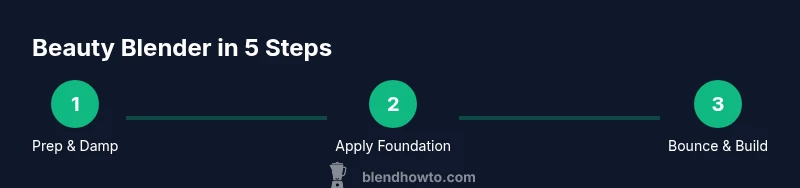
- 1
Prep skin and tools
Begin with a clean face and dry hands. Gather your products and ensure the sponge is clean and ready. This minimizes bacterial transfer and ensures predictable blending performance.
Tip: Having your products organized and within reach reduces handling time and helps maintain a smooth workflow. - 2
Dampen the sponge
Hold the sponge under running water until it expands, then squeeze out excess moisture until it’s just damp. A properly damp sponge prevents product absorption and helps achieve a natural finish.
Tip: If you see water pooling in the sponge, squeeze again and blot dry before proceeding. - 3
Apply foundation in dots
Dot a small amount of foundation onto the center of the face (forehead, cheeks, chin). This gives you a starting point to blend outward without caking.
Tip: Less is more—you can always add a little more in later steps if needed. - 4
Bounce to blend
Use a light, tapping/bouncing motion to blend foundation from the center outward, focusing on creating a seamless edge at the hairline and jawline.
Tip: Keep the motion gentle; heavy pressure can push product into fine lines. - 5
Build coverage in thin layers
If you need more coverage, apply another thin layer in problem areas rather than layering thickly in one go.
Tip: Step back and check under natural light to ensure even coverage. - 6
Conceal with targeted taps
Use the sponge tip or edge to tap concealer onto under-eye circles and blemishes, then blend into the surrounding skin with a light roll.
Tip: Press rather than rub to avoid lifting settled product. - 7
Set and close the routine
If desired, dust setting powder lightly to set the finished look. Clean the sponge after use and lay it to dry in a breathable area.
Tip: Powder should be applied with a loose, upward sweep, not a heavy pat.
Frequently Asked Questions
Can I use a beauty blender dry?
Using a beauty blender when it's dry makes blending harder and increases product absorption, which can lead to a patchy look. A damp sponge provides a smoother, more even application for liquids and creams.
It's best to use the sponge damp for an even, natural finish.
Is a beauty blender good for powder foundations?
Powder foundations can be applied with a beauty blender, but it may not distribute powder as evenly as a fluffy powder brush. You can use a light press or bake technique if you prefer a sponge method, but brushes are typically faster for powder-only looks.
For powder, a brush is usually the go-to, but you can try a light press with the sponge.
How often should I replace my beauty blender?
Replace when you see wear, tearing, or an off smell. Regular maintenance and timely replacement help avoid uneven blending or skin irritation.
Swap it out when it starts to wear or smell off.
Can I use concealer with a beauty blender?
Yes. The sponge helps blend concealer precisely under the eyes or on blemishes, creating a seamless transition with the rest of the makeup.
Absolutely—it's great for concealer blending.
What’s the best way to clean a beauty blender?
Rinse with lukewarm water, lather with mild cleanser, rinse again, and squeeze dry. Air-dry in a well-ventilated area. Regular cleaning prevents bacteria buildup.
Wash with mild cleanser, rinse, and air dry.
Are there alternatives to a beauty blender?
Yes. Brushes offer control for powder or liquid with different textures. Fingers can provide warmth for sheer blends, while other sponges or silicone tools may suit other preferences. Try a mix to find your preferred finish.
You can explore brushes or fingers for different finishes.
Watch Video
What to Remember
- Dampen sponge before use for best results
- Blend with a soft bounce, not dragging motions
- Build makeup in thin layers for natural finish
- Clean regularly to maintain hygiene and performance