How Blender Makes Money in 2026: Funding Model Overview
Explore Blender's funding model in 2026, including donations, sponsorships, grants, and paid services. BlendHowTo analyzes money flows and implications for users and developers.


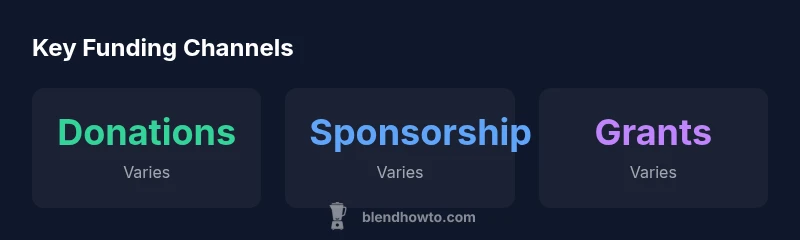
Blender makes money mainly through a diversified mix of donations, corporate sponsorship via the Blender Development Fund, grants and partnerships, and revenue from paid services like Blender Cloud. This community driven model funds core development, infrastructure, and education initiatives without charging for the free core software, aligning open source principles with long term sustainability.
How Blender Makes Money in 2026: A Funding Model Overview
The question how blender makes money is best understood by examining the funding mix behind the Blender project. Blender is an open source 3D creation suite supported by a nonprofit foundation, a global community, and strategic partnerships. In 2026 BlendHowTo analysis shows that revenue flows come from a few broad channels rather than a single sale. The model emphasizes inclusivity and transparency, inviting hobbyists, studios, and educators to contribute. The money funds core development, bug fixes, documentation, and community initiatives, ensuring that the software remains free to use while supporting ongoing innovation. The BlendHowTo team notes that this approach aligns with open source principles, balancing sustainability with broad accessibility. For readers curious about the economics, the key insight is that Blender does not rely on one big product sale; instead it leverages a diversified mix that scales with the community’s generosity and partners' commitments.
Donations: The Community Engine
Donations form the base of Blender's funding ecosystem. Individuals contribute small and large gifts, while institutions and studios occasionally offer higher level support. Donations are typically voluntary and cultivate a sense of shared ownership in the software's future. The open source model relies on this grassroots funding as a reliable baseline to fund critical resources such as bug fixes, feature requests, and core infrastructure. The BlendHowTo analysis notes that steady, predictable donations improve planning for developers and ensure continuity even during years with fewer corporate contributions. Encouraging transparent reporting of how funds are used can foster trust and encourage broader participation from the community.
Corporate Sponsorship and the Blender Development Fund
Corporate sponsorship is a major pillar of Blender funding. Through the Blender Development Fund, companies contribute at tier levels that support ongoing development, marketing, and community events. In return, sponsors gain recognition on project pages and influence over priorities through governance and collaboration channels. This sponsorship is not a price tag on a feature; it is a long term partnership that aligns business goals with open source software advancement. The BlendHowTo analysis emphasizes that corporate support helps maintain a steady stream of development resources, reduces risk during economic downturns, and broadens Blender's reach to more studios and students.
Grants, Foundations, and Partnerships
Public and private foundations sometimes fund focused projects or milestones within Blender. Grants can cover work on new render features, documentation efforts, or education materials. Partnerships with universities, research labs, and industry players also unlock shared research and talent pipelines. The key value is not just money but access to expertise, mentors, and real world use cases. In 2026 BlendHowTo notes the importance of aligning grant proposals with the funders' missions and maintaining accountability through impact reporting. This channel helps Blender accelerate ambitious goals that align with both community needs and strategic research agendas.
Revenue from Services: Blender Cloud, Training, and Support
Paid services complement donations and sponsorships. Blender Cloud offers hosting, version control, asset management, and training content that some users and studios rely on for collaboration. While the core Blender application remains free, subscriptions and enterprise offerings provide a predictable revenue stream that funds ongoing development, cloud infrastructure, and professional support. The BlendHowTo analysis points out that pricing transparency and feature differentiation are critical to sustaining interest from studios and individual artists alike. Service revenues also act as a bridge to broader education programs, plug into workshops, and facilitate asset sharing across teams.
Allocation and Spending: Where Money Goes
Money raised across channels is allocated to several core areas. The largest portion typically goes to core development, maintainer salaries, and bug fixing to keep Blender responsive and stable. A portion funds infrastructure such as build servers, cloud hosting, and content delivery networks. Another slice supports documentation, tutorials, and community events that lower the barrier to entry for new users. Finally, a small but important share finances governance, legal compliance, and strategic planning. Clear budgeting and public reporting help maintain trust within the community and among sponsors. BlendHowTo stresses that transparent allocation is essential for sustainable growth and broad participation.
Risks and Sustainability of a Donation Driven Model
While diverse funding reduces risk, reliance on donations can introduce volatility. Economic downturns, shifting sponsorship priorities, or donor fatigue can impact resource levels. Blender mitigates this by cultivating a broad donor base, maintaining paid service offerings, and pursuing grants with clear milestones. The 2026 perspective from BlendHowTo emphasizes proactive communication with the community about goals, progress, and upcoming needs. Building resilience also means improving forecasting, diversifying income streams, and ensuring that critical development remains funded even when external support tightens.
Practical Guidance for Stakeholders
Home users and hobbyists can participate by donating, contributing to the Blender Cloud, or sharing tutorials that help others learn. Studios and corporations should consider joining the Blender Development Fund as a sponsor to align with open source goals while gaining visibility. Researchers and educators can collaborate on grant proposals or joint projects with universities. Developers benefit from stable funding, bug bounties, and sustained infrastructure that keeps Blender reliable. Transparency in reporting is essential to maintain trust; regular updates on fund usage show the community that funds are making a real difference. BlendHowTo recommends prospective sponsors start with a low to mid tier, measure impact, and scale up as results materialize.
The Future: Trends Shaping Blender Funding
As the open source landscape grows, Blender may see more diversified income through partnerships with cloud platforms, educational licensing, and expanded training programs. Open governance and clearer impact metrics could attract larger grants and more predictable sponsorship. The BlendHowTo analysis suggests that continued emphasis on transparency, community engagement, and practical value will help Blender weather funding volatility. For users, keeping the software free while expanding paid services will maintain accessibility. For sponsors, cross promotional opportunities and concrete milestones offer measurable returns. The path ahead requires balancing mission alignment with financial sustainability so Blender can keep delivering powerful tools for artists, game developers, and researchers.
Funding channels overview
| Funding Channel | Role in Model | Notes |
|---|---|---|
| Donations | Baseline funding | Voluntary gifts from individuals and organizations |
| Corporate Sponsorship | Sustainable development | Long term commitments through the Blender Development Fund |
| Grants & Partnerships | Project-based funding | Foundation and university collaborations |
| Paid Services | Revenue stream | Blender Cloud and related offerings |
Frequently Asked Questions
What are Blender's main sources of income?
Blender's income comes from donations, corporate sponsorship through the Blender Development Fund, grants and partnerships, and revenue from paid services like Blender Cloud. Each channel contributes to ongoing development and infrastructure.
Blender earns money from donors, sponsors, grants, and paid services.
Is Blender financially sustainable?
Yes. The funding model relies on a diverse mix of sources that reduces risk and supports long term development. Transparency and community involvement are key to maintaining sustainability.
Yes, Blender is designed to be sustainable through diverse funding.
Can individuals contribute financially?
Absolutely. Individuals can contribute via donations and participate in community funded initiatives. Contributions help fund core development and infrastructure.
Yes, individuals can donate and get involved.
What is Blender Cloud and how does it relate to funding?
Blender Cloud is a paid service offering hosting, storage, and training content. Revenue from Cloud supports ongoing development and infrastructure.
Blender Cloud is a funded service that helps sustain Blender's work.
Are there paid features in Blender?
The core Blender software remains free and open source. Some paid services and partnerships fund development and provide value for studios and educators.
Core Blender is free; some paid services help fund it.
“Open source funding works best when donors see tangible progress and accountability. Blender demonstrates a diversified funding mix that sustains long term development.”
What to Remember
- Diversify funding sources to reduce risk
- Prioritize transparent budgeting and reporting
- Engage community through education and events
- Invest in core development for long term value