How to Use NutriBullet Blender: A Practical Guide
Learn to operate a NutriBullet blender for smoothies, sauces, and purees with safe practices, efficient loading, blending technique, and quick cleanup in 2026.


By following this guide, you will learn how to use a NutriBullet blender to make smoothies, sauces, and purees with the right safety and cleaning practices. You'll assemble the cup, blade, and lid, load ingredients in the correct order, blend to the desired texture, and care for your machine to extend its life. No guesswork—just practical steps for everyday blending.
Why NutriBullet is a practical blender for home cooks
According to BlendHowTo, the NutriBullet's compact footprint and simple blade design make everyday blending approachable for home cooks and beginners. Its single-serve cups minimize cleanup, while the high-velocity blades unlock smooth textures from fibrous greens to frozen fruit. In busy kitchens, speed matters: you can prep fruit and spinach the night before, portion into cups, and finish a smoothie in under a minute. The blender's safety features—lid locks and auto-stop—help prevent spills and accidents, giving confidence to new users. For hobbyists exploring basic emulsions, NutriBullet is forgiving: you can start with chunked fruit, add a splash of liquid, and blend in short bursts until you reach the desired creaminess. As you gain experience, you can experiment with additives like yogurt, protein powder, or nut butters. BlendHowTo also notes that consistent blade maintenance, including occasional deep-cleaning and blade inspection, keeps performance steady over time.
Essential features to know before you start
Before you power on, understand the key features: the base houses the motor, the blade assembly screws into the cup, and the cups come in sizes for drinks or bowls. NutriBullet favors short pulses and quick bursts to build creamy textures. Never fill beyond the max line, especially with liquids, to prevent leaks or overflow. The safety interlock ensures the unit only runs when the cup is attached correctly and the lid is secure. If you're blending hot liquids, let them cool a bit and vent the cup by loosening the cap slightly to prevent pressure buildup. For best results, choose a liquid-to-solid ratio appropriate for the recipe, and be mindful of frozen ingredients—they may need a little extra liquid or longer pulse times. Finally, keep seals clean and replace worn parts promptly to maintain performance.
Step-by-step: how to use your NutriBullet
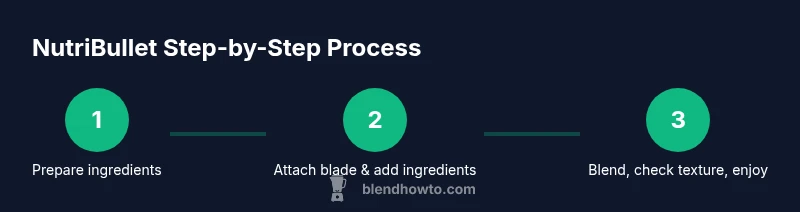
This section provides a practical workflow you can replicate across recipes. Step-by-step guidance keeps you in control without guessing. Begin by washing and prepping ingredients, then assemble your blending system. Remember to apply the loading order: liquids first, then soft produce, greens, frozen items, and finally harder chunks. Use short pulses to monitor texture, stop early for a grainy or chunky result, and blend longer for a smooth consistency. Always secure the lid before starting, and pause if the cup becomes warm. After blending, detach the cup, rinse the components, and dry thoroughly to prevent residue buildup. By following these steps, you’ll create consistent textures while minimizing leaks and messes.
Cleaning and maintenance tips to extend life
Maintaining your NutriBullet requires quick care after each use. Disassemble the cup from the base, separate blade, and rinse all removable parts with warm soapy water. Avoid immersing the motor base; wipe it with a damp cloth. Dry components completely before reassembly to prevent mold and corrosion. Periodically inspect the blade for dullness or chips and replace if necessary. Odors can linger in cups; for a deeper clean, blend a mixture of water, dish soap, and a splash of lemon juice for 20-30 seconds, then rinse. Store blades safely to prevent damage, and keep the gasket and seals clean to maintain suction and leak prevention.
Common mistakes and how to avoid them
Avoid these pitfalls to keep results consistent: overfilling cups, which leads to leaks; skipping liquids when blending dense ingredients; blending for too long at high speed, which can heat the mixture or dull blades; neglecting to secure the lid, resulting in splatter; and ignoring cleaning, which causes odors and residue buildup. To prevent these issues, measure liquids, chop produce into even pieces, pulse in short bursts, and clean promptly after using. If you notice reduced performance, check the blade for dullness or a clogged blade.
Tools & Materials
- NutriBullet blender base(Place on a stable, dry surface; unplug before assembling)
- Blade assembly (blade + nut)(Ensure the blade is clean and not bent)
- Blender cups (tall or short)(Use appropriate size for the recipe; avoid overfilling)
- Lid and top seal(Secure lid to prevent leaks during blending)
- Liquid (water, milk, juice)(Helpful for emulsions; optional for dry ingredients)
- Spatula or spoon(For loading ingredients and scraping sides)
- Dish soap and brush(For cleaning cups and blades after use)
Steps
Estimated time: 25-40 minutes
- 1
Prepare ingredients
Wash, trim, and cut produce into chunks that fit the cup. Remove pits and seeds where needed. Aim for evenly sized pieces to promote uniform blending.
Tip: Cut ingredients into pieces that fit easily into the cup opening for faster, more consistent blending. - 2
Attach blade to cup
Screw the blade assembly onto the cup and ensure it is snug but not over-tightened. Align any notches with the base for a secure fit.
Tip: Tighten just enough to prevent leaks; overtightening can strip threads. - 3
Add ingredients in the correct order
Pour liquids first, then soft produce, greens, frozen items, and finally harder chunks. This helps create a stable blend and reduces air pockets.
Tip: Liquids first help the blades start spinning smoothly. - 4
Secure lid and begin blending
Attach the cup to the base, sit the lid on top, and start with short pulses. Check texture after 5–10 seconds and adjust as needed.
Tip: Pulse in short bursts to control texture and prevent overheating. - 5
Assess texture and adjust
If mixture is too thick, add a splash of liquid and blend again. For chunkier textures, blend in shorter bursts.
Tip: Avoid over-blending; longer runs can heat the mixture and dull blades. - 6
Disassemble and clean
Unplug, remove the blade assembly from the cup, rinse all parts with warm soap and water, and dry thoroughly before storage.
Tip: Clean promptly to prevent staining and odor buildup.
Frequently Asked Questions
What is the correct order to load ingredients in a NutriBullet?
Always start with liquids, then soft produce, greens, frozen items, and finally harder chunks. This sequence helps the blades begin turning smoothly and reduces air pockets.
Load liquids first, then softer ingredients, greens, frozen items, and finally hard chunks.
Can I blend hot soups in a NutriBullet?
Avoid blending very hot liquids directly in a NutriBullet cup. Let hot liquids cool slightly and vent the cup to prevent pressure buildup.
No, avoid blending boiling or steaming hot liquids; cool slightly and vent.
How do I clean the NutriBullet safely?
Disassemble the cup from the base, wash cups and blades with warm soapy water, and dry thoroughly. Do not immerse the motor base.
Disassemble, wash the cups and blades by hand, and dry. Keep the base dry.
How often should I replace blades?
Inspect blades for dullness or chips and replace when blending performance declines or you notice fraying edges.
Check for dull blades and replace when performance drops.
Is NutriBullet good for baby food?
Yes, with soft textures and appropriate ingredients. Avoid added salt or sugar and ensure everything is fully pureed for safety.
Yes, but keep textures very smooth and avoid salt or sugar.
Can I blend dry ingredients without liquids?
NutriBullet performs best with some liquid. Dry blending can be difficult and may clog blades without moisture.
A little liquid helps; pure dry blending can be challenging.
Is NutriBullet suitable for making smoothies daily?
Yes, with regular cleaning and blade inspection, it’s well-suited for daily smoothies and quick meals.
Yes, with proper care it’s great for daily smoothies.
Watch Video
What to Remember
- Assemble blade, cup, and lid securely before blending.
- Load ingredients in the recommended order for best texture.
- Use short pulses to control texture and prevent overheating.
- Clean components promptly after use to prevent odors and stains.