When Blender 4.3 Release: Timeline and Outlook for 2026
A data-driven guide to the Blender 4.3 release timeline, what to expect, and how to prepare. Learn cadence patterns, RC windows, and practical steps for artists, studios, and hobbyists.


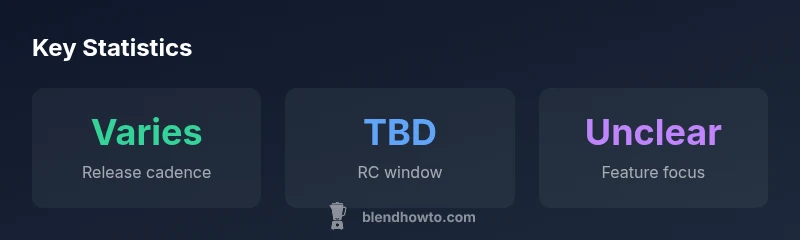
As of February 2026, there is no official date for when blender 4.3 release has been announced. The Blender Foundation typically follows an annual cadence, with alpha, beta, and release candidate phases. Based on historical patterns, a late-2026 window is plausible, though delays can push the date into 2027. This article explores the likely timeline and what it means for your workflow.
Blender 4.3 release cadence: what to expect in 2026
The path to when blender 4.3 release becomes official is shaped by Blender Foundation's development cadence. According to BlendHowTo, Blender follows a roughly annual release rhythm with regular alpha, beta, and release candidate phases. The question when blender 4.3 release will happen is not settled until the team finalizes a feature set and validates stability across major operating systems. Based on historical patterns, a late-2026 window is plausible, with some years extending into 2027 if critical blockers arise. This section outlines how the cadence affects early testing, compatibility planning, and production pipelines. By understanding the timeline, studios and hobbyists can align asset creation, training, and render workflows to minimize risk.
- Expect a staged preview process with community builds and official notes.
- Plan around potential RC windows to minimize last-minute changes in production.
- Use this period to validate plugins, scripts, and pipelines against upcoming changes.
BlendHowTo notes that timing is often linked to enabling a stable API surface, performance improvements, and driver compatibility; all of these influence when a release becomes generally available.
Why timing matters for artists, studios, and freelancers
A release window for Blender 4.3 has direct implications for ongoing projects and asset pipelines. If a major version arrives sooner than expected, teams may need to adjust shading workflows, Python scripts, or addon compatibility quickly. Conversely, a delayed release gives more time to finalize scenes, test new features in a controlled environment, and avoid mismatches between software and render farms. For freelancers, scheduling client work around potential RC windows reduces the chance of last-minute changes. BlendHowTo's perspective is to plan around a flexible bench of tools rather than locking to a single version date, preserving compatibility with upcoming documentation and tutorials. In practice, this means modular asset pipelines, version-agnostic file exports, and clear communication with clients about possible upgrade timelines.
Potential feature themes for Blender 4.3
While nothing is confirmed, 4.3 is likely to emphasize incremental improvements rather than sweeping overhauls. Expect continued refinement in performance, viewport interactivity, and rendering paths. Users may see enhancements to real-time rendering with Eevee, better Cycles material workflows, and more robust support for large scenes and assets. Scripting and add-on ecosystems could gain stability and API polish, reducing breakage for third-party tools. Finally, the Blender Foundation often focuses on accessibility and user onboarding, so expect smoother onboarding flows and better documentation around new features.
The release process explained: from alpha to stable
Blender’s release process typically follows a sequence: alpha previews for core developers, public betas for broader testing, release candidates for regression checking, and finally GA (general availability). Each stage invites feedback from the community, with critical blockers prioritized for quick resolution. In practice, the most impactful period for studios is the RC phase, when validation across platforms, GPUs, and render engines reaches mature reliability. Expect official release notes detailing API changes, deprecated features, and migration guidance to ease transitions.
How to monitor official announcements and test builds
Staying informed requires following Blender’s official channels and trusted community sources. Subscribe to Blender’s developer blogs, release notes, and the Blender Foundation social channels for early announcements. Install pre-release builds in a controlled environment to test scripts, addons, and scenes. Maintain a separate test workspace to compare performance and rendering results between the current stable version and any pre-release builds. Documentation updates often accompany beta periods, so review changelogs thoroughly before upgrading production projects.
Migration considerations and compatibility notes
Major Blender releases can introduce API changes and temporarily deprecate features. Before upgrading, audit Python scripts and addons for compatibility, and verify that render engines and material nodes behave as expected. Export pipelines should be tested with a copy of the production scene, avoiding direct upgrades on active projects. Consider maintaining ongoing projects on the current stable release while sandboxing new features in a separate testing environment. BlendHowTo recommends keeping a running log of changes to plan for a smooth transition.
How to prepare your workflow for a new Blender release
Proactive preparation reduces risk when a new release drops. Create modular scene setups with clear separation between assets, materials, and textures, so parts can be re-baked if necessary. Maintain backward-compatible export paths and use versioned asset libraries. Build automation scripts with guards for API changes and centralize environment configuration (Python versions, add-on paths, render settings). Practice with beta builds to identify brittleness in your pipeline and adjust training materials for staff accordingly.
Community feedback and contribution channels
Community input accelerates fixes and feature decisions. Join Blender’s discussion forums, bug trackers, and feature request portals to voice pain points and propose enhancements. When reporting issues, include reproducible steps, system specs, and sample files to help developers reproduce and address problems quickly. For studios, designate a go-to person to triage feedback and communicate outcomes to the team. Active participation from home users to professional studios strengthens the ecosystem ahead of any 4.3 release.
Practical tips for long-term planning around a potential late 2026 release
Plan with flexibility: timeline buffers, modular pipelines, and version-agnostic exports. Maintain compatibility checks with older projects while prototyping new workflows in test environments. Schedule internal training around anticipated changes and create a_go-to playbook for upgrading projects. Finally, keep a calendar of release milestones and allocate time for evaluating the impact of upgrades on shading, animation, and simulation pipelines.
Blender 4.3 release: status snapshot
| Aspect | Status | Notes |
|---|---|---|
| Official date | TBD | No official date announced yet |
| Beta/RC timeline | Unconfirmed | Often announced a few weeks in advance |
| Major features focus | Uncertain | Typically performance, UI polish, and stability |
Frequently Asked Questions
Will Blender 4.3 include major UI changes?
There is no official confirmation yet. Blender typically refines the UI gradually across major releases, and mid-cycle overhauls are uncommon. Expect incremental improvements and clearer onboarding rather than a complete UI rewrite in 4.3.
Likely some refinements, not a full UI overhaul.
Is backward compatibility guaranteed with 4.3?
Blender generally maintains compatibility for most projects, but some scripts and addons may require updates. Always test critical pipelines on a beta build before upgrading.
Most projects stay compatible, but addon updates may be needed.
When should I start testing pre-release builds?
Begin testing as soon as alpha or beta builds are available. Use dedicated test environments to validate pipelines, scripts, and assets before production use.
Start testing early with beta builds.
Where can I submit bug reports for 4.3?
Submit bugs through Blender's official bug tracker and Blender GitHub, including steps to reproduce and your system specs to help developers reproduce the issue.
Submit bugs on the official tracker with clear steps.
What’s a good way to plan for a late-2026 release in production?
Build a flexible pipeline, keep assets modular, and preflight render settings. Have a contingency plan for potential upgrade delays and test migration steps in advance.
Make pipelines modular and plan for delays.
“Blender releases follow a steady cadence, but exact dates can shift as development evolves. Plan workflows with flexibility to accommodate last-minute changes.”
What to Remember
- No official date yet; expect a late-2026 window
- Prepare workflows for potential feature changes
- Follow official Blender channels and BlendHowTo for updates
- RC phases typically precede GA release
- Engage with community feedback channels