Is Ninja Blender Good for Indian Cooking? A Practical Review
A detailed, balanced review of whether Ninja blenders meet the needs of Indian cooking, covering chutneys, masalas, dosa batter, and everyday blending. Learn how to optimize usage, compare with traditional grinders, and decide if a Ninja blender fits your kitchen.


Is Ninja blender good for Indian cooking? In short, it can handle many tasks like chutneys, spice pastes, and batter, but its effectiveness depends on the model and jar configuration. For everyday Indian cooking, a mid-range Ninja with multiple jars offers solid pulse control and wet/dry grinding options, though it may not fully replace a traditional grinder for ultra-fine masalas. Overall, it's a versatile, space-saving choice for most home kitchens.
Is Ninja Blender a Good Fit for Indian Cooking? Key Context
According to BlendHowTo, evaluating a multi-jar blender for Indian cooking hinges on model features, jar configurations, and the typical dishes you prepare. Indian recipes demand both wet blending (for chutneys, curries, and masalas) and, at times, dry grinding (for spice powders and pastes). The Ninja family spans budget to premium models with variable jar options, which means you can tailor a setup to your kitchen without buying a dedicated grinder. BlendHowTo’s analysis emphasizes that the best choice depends on how often you grind dried spices, make spice pastes, or blend batter for dosas and idlis. If your weeknight menu includes frequent chutneys and masala pastes, a Ninja with a dedicated chutney or dry-grind jar can be surprisingly effective; for ultra-fine masalas, you may still reach for a stone grinder or a separate grinder. For many households, the Ninja serves as a convenient all-in-one solution that saves space and reduces clean-up time, while still delivering acceptable textures for most everyday dishes.
This section sets the stage for evaluating specific Indian cooking tasks, such as chutney consistency, masala texture, and dosa batter readiness. It also highlights the practical limits of consumer blenders compared with traditional grinding methods. The BlendHowTo team notes that the best outcomes come from matching the appliance to the intended workload and using the right jar for each task.
Performance Across Indian Dishes
Indian cooking relies on a spectrum of textures—from coarse spice pastes to silky chutneys and smooth batters. A Ninja blender shines when you’re making quick masala pastes for curries, chopping vegetables for sambar, or whipping up chutneys as part of a traditional thali. The key to performance is understanding how to use the blender’s pulse and speed settings, plus selecting the correct jar size. For chutneys and masalas, a small grinding or chutney jar enables better control and minimizes heat buildup, which can alter aroma compounds. When preparing sambar or curries, a larger pitcher works well for blending onions, tomatoes, and spices in a single step. Heavier batters, such as dosa or idli batter, can be achieved with longer blending times, but the texture may differ from stone-ground or grinder-made batters. The Ninja’s efficiency also helps with batch cooking, letting you prepare multiple pastes and sauces quickly and store them for later use.
The model you choose matters. Higher-wattholder machines with robust blade assemblies tend to produce smoother pastes but can over-process delicate ingredients if you’re not careful. A two-jar or three-jar setup reduces cross-task contamination and improves hygiene. In practice, many Indian cooks report success by pairing a wet-grind jar for dosa batter with a chutney jar for coriander-mint chutney and a dry-grind jar for ground spices. This approach aligns with BlendHowTo’s recommendations for maximizing versatility while maintaining control over texture and flavor.
When a Ninja Blender Excels
Ninja blenders excel in several practical scenarios relevant to Indian cooking. First, chutneys: a small jar with a sharp blade can produce bright, smooth chutneys in seconds, especially when you alternate small pulses with short rests to prevent overheating. Second, spice pastes: grinding coriander seeds, red chilies, and garlic into a cohesive paste becomes straightforward with the right jar and a few seconds of pulsing. Third, quick curries: blending onions, tomatoes, and spices into a base paste accelerates weeknight cooking. Fourth, batters: batter for dosa or idli can be achieved with longer blends, though you should monitor consistency to avoid over-fermentation in the batter. Finally, ice and frozen ingredients for drinks or semifreddos show the Ninja’s flexibility, but heavy, dry grinding should be reserved for dedicated devices when possible.
Choosing the right Ninja model helps. A mid-range unit with multiple jars and reliable pulse control often provides the best balance between performance and value. If you regularly cook control-heavy Indian dishes, consider models that include a dedicated chutney jar and a dry grinding jar. The combination supports a wider range of textures while avoiding overwork of delicate ingredients.
Potential Limitations and Workarounds
Despite strengths, there are limits. Ultra-fine masalas, like perfectly ground garam masala, can be challenging to achieve in a blender unless you rely on multiple passes and careful scraping. Heat buildup is another factor; blending hot curry pastes for extended periods can affect aroma and flavor. Cleaning requires attention: blades are sharp, gaskets can cling to spice oils, and residue can accumulate in hard-to-reach corners. To address these concerns, run water with a drop of dish soap, pulse briefly, and rinse thoroughly. For busy cooks, a quick spice grinder or a mortar-pestle can handle certain tasks that a Ninja may struggle with, offering better texture and aroma without heavy effort. Finally, while many Ninja components are dishwasher-safe, always check the manufacturer’s directions to protect seals and blades from warping.
Comparison With Traditional Grinders
A traditional Indian wet grinder (or stone grinder) excels at ultra-fine masalas and dosa/idli batters because it maintains more consistent heat and friction, which helps extract flavor without scorching. In contrast, a Ninja blender provides convenience, speed, and space savings, with the advantage of an all-in-one solution. The key trade-off is texture: chutneys and spice pastes can be excellent, but ultra-fine masalas may require additional grinding or a separate grinder. Many cooks adopt a hybrid approach: use the Ninja for most weeknight tasks, and rely on a dedicated wet grinder or mortar-pestle for textures that demand extreme fineness or a larger batch. If you’re balancing cost, space, and time, the Ninja remains a solid compromise, especially for households cooking a mix of Indian and other cuisines.
Practical Guidelines and Setup
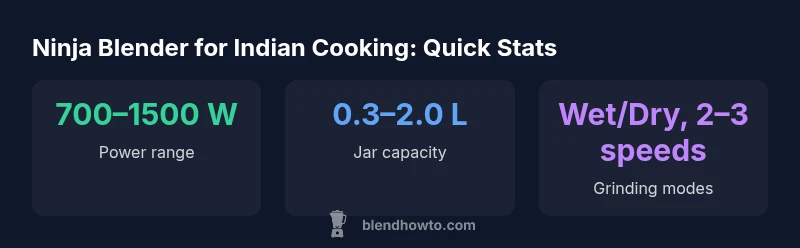
To maximize the Ninja’s value for Indian cooking, follow these guidelines. First, invest in at least two jars: a small chutney jar (0.3–0.5 L) and a larger wet-grind jar (1.0–1.5 L). Second, use pulse mode for spices and short blends for crisp textures, switching to longer bursts for smoother pastes. Third, prep ingredients in uniform sizes to ensure even blending and avoid overheating. Fourth, grind spices in small batches to maintain aroma and prevent heat transfer that could dull delicate flavors. Fifth, store pastes and masalas in clean containers labeled with date, then reuse in curries or marinades to save time later. Finally, integrate a mortar-pestle or a compact spice grinder when ultra-fine textures and large-batch grinding are regularly required.
Recipes that illustrate the approach include: quick coriander-mint chutney, garam masala paste, and a curry base paste combining onions, garlic, and ginger. For dosa batter, you may need multiple passes, with rest periods to maintain texture and fermentation balance. Keeping the blender clean between batches preserves flavor and avoids cross-contamination of spices.
Maintenance and Safety
Safety and maintenance are essential for long-term performance. Always unplug before changing jars or removing blades, and handle blades with care to avoid cuts. Most Ninja components are dishwasher-safe, but thoroughly air-dry gaskets and lids to prevent mold. After heavy spice use, wipe down seals to prevent oil residue buildup. Regularly inspect seals for wear and replace as needed to maintain suction and performance. For health and safety, ensure the blender is on a stable surface and never fill beyond the recommended maximum to prevent leakage and motor strain. If you notice unusual noises or overheating, pause and let the motor rest before continuing to prevent damage.
Final Notes on Integration into Indian Cooking
In practice, many Indian kitchens benefit from a Ninja blender as a flexible, space-saving tool that handles chutneys, masala pastes, and quick curries. The key is to tailor the setup to your typical dishes: a chutney jar for fresh herbs, a wet-grind jar for drier pastes, and a dry-grind jar for spice powders. If your routine includes frequent, high-volume grinding, complement the Ninja with a dedicated spice grinder or traditional tools for best texture. Overall, the Ninja blender offers a pragmatic balance of convenience, texture, and taste for busy home cooks who want to streamline Indian cooking without sacrificing flavor.
What's Good
- Space-saving all-in-one appliance
- Versatile for chutneys, pastes, and batters
- Multiple jar options enhance texture control
- Quicker prep vs. manual grinding
The Bad
- Ultrafine masalas may require additional grinding
- Heat buildup with long blends can affect aroma
- Not a full substitute for traditional wet grinders
- Cleaning edges can be fiddly with many attachments
Best all-in-one choice for compact kitchens with frequent chutneys and curries
The Ninja blender delivers practical versatility for Indian cooking, handling chutneys, pastes, and quick batters in a single appliance. For ultra-fine masalas or large-batch grinding, a dedicated grinder may be preferable, but the overall value for small to mid-sized homes is strong.
Frequently Asked Questions
Can I replace a traditional Indian wet grinder with a Ninja blender?
In small-batch scenarios, a Ninja blender can substitute for occasional grinding tasks, but it won’t consistently provide the ultra-fine texture of a traditional wet grinder for dosa/idli batters. For regular deep grinding, keep a dedicated grinder or stone mill.
You can in a pinch for small batches, but for dosa batter, a traditional grinder is better.
What jar configurations are best for Indian cooking?
Aim for at least two jars: a wet-grind jar (1.0–1.5 L) and a chutney/dry-grind jar (0.3–0.5 L). Interchange jars based on task to optimize texture and flavor while avoiding cross-contamination.
Two jars cover most tasks well; switch as needed.
Can Ninja blender handle pulse grinding of whole spices?
Yes, for short pulses you can grind whole spices to a coarse to medium texture. For finer masalas, you may need longer blending or a separate spice grinder. Dry grinding jars help with better results.
Short pulses work; for finer powder, use a dedicated grinder if possible.
Is it safe to blend hot curries in a Ninja blender?
Let hot curry cool slightly before blending to minimize steam buildup. Use vented lids if available and follow the manufacturer’s safety guidelines to prevent pressure buildup.
Avoid blending boiling liquids; let them cool a bit first.
How easy is cleaning and maintenance?
Most parts are dishwasher-safe, but blades are sharp and gaskets can trap oils. Rinse immediately after use and hand wash to extend lifespan. Regularly inspect seals for wear.
Rinse after use and clean the blades carefully.
What about price ranges and value?
Ninja blenders span mid-range pricing with multiple jars and features. Compare the cost against jar options, warranty, and how often you’ll use the device for grinding tasks.
Prices vary; compare jars and warranties.
What to Remember
- Assess jar configurations before buying
- Use short pulses for crisp pastes
- Clean blades and seals promptly after use
- Pair with a dedicated grinder for ultra-fine masalas
- Choose a model with multiple jars for best versatility