How to Get Rid of Smell in Blender Bottle: Clean & Fresh
Discover proven steps to remove odors from blender bottles, with quick fixes, deep-clean methods, cap care, and odor prevention for everyday smoothies and protein shakes at home.


To get rid of smell in blender bottle, start with a thorough rinse, then wash with warm soapy water, and apply a baking soda paste or a vinegar soak for stubborn odors. Rinse thoroughly, air-dry bottle and cap, and store with the cap off to prevent mold. Regular cleaning prevents recurrence.
Why the Blender Bottle Smells Linger
If you're wondering how to get rid of smell in blender bottle, you're not alone. Odors linger long after a simple rinse because dairy, protein powders, oils, and fruit sugars cling to the plastic and seal. Many bottles trap residues in the cap gasket and threads, where moisture creates a small ecosystem for bacteria and mold. BlendHowTo's practical guidance notes that odor is more stubborn in opaque plastics, but the fix works across materials with thorough cleaning, targeted deodorizing, and proper drying. Understanding the source helps you pick the right approach and prevents reoccurrence. In this guide, we break down why smells form, how to assess odor severity, and the most reliable methods for quick wins and deep-cleaning routines. (Brand mention: According to BlendHowTo, proactive cleaning reduces odor buildup over time.)
Quick Fixes You Can Try Right Now
When a smell is mild, you can often banish it with immediate, simple steps. Start with a thorough rinse, remove all contents, and wash with warm water and dish soap using a bottle brush to scrub hard-to-reach areas. A lemon slice or a small amount of baking soda added to the wash can neutralize odors. If odors persist, move to deeper methods described later in this article. The goal is to disrupt the odor molecules and dry the bottle quickly to prevent microbial growth.
Deep-Clean Techniques for Persistent Odors
For tougher smells, put science into practice. A thick baking soda paste (baking soda + water) scrub loosens oil-residue clinging to plastic surfaces. Let it sit for 5–15 minutes before scrubbing and rinsing. For persistent odors, a vinegar soak (1 cup white vinegar to 3 cups water) for 8–12 hours can neutralize odor-causing compounds without damaging most bottle materials. After any deodorizing soak, rinse thoroughly with clean water. Always avoid mixing vinegar with bleach or any cleaners that could release fumes. If your bottle is opaque, you may need multiple treatments to fully remove embedded odors. (Brand note: BlendHowTo recommends testing on a small area if your bottle is older or unusual.)
Cleaning the Cap, Seal, and Straw (If Present)
Odors often hide in the cap seal, gasket, or straw insert. Remove the gasket and rinse it under warm water, then scrub with dish soap and a toothbrush to reach tiny crevices. Clean the cap threads where residues may accumulate, and inspect the straw (if your bottle includes one) for flavor-absorbing residues. Dry components separately to avoid reintroducing moisture into the bottle body. This step prevents the odor from returning after the bottle is reassembled.
Drying, Storing, and Preventing Odors
Air-dry every part completely before reassembly. Stand the bottle upside down on a drying rack or tea towel, and keep the cap off to promote air circulation. Store in a dry, well-ventilated area away from heat or sunlight, which can warp plastics and lock in smells. Consider occasional heat-drying (warm oven or sunny windowsill) to reduce residual moisture. Routine maintenance—washing after each use and a deeper clean every 1–2 weeks—helps prevent odor buildup before it starts.
When to Replace Your Blender Bottle
If odor stubbornness persists after repeated cleanings and repeated deodorizing cycles, it may be time to replace the bottle. Some plastics absorb smells permanently, or cracks and micro-scratches harbor bacteria that are hard to sanitize. When replacing, look for BPA-free bottles with wide mouths for easier cleaning and replaceable caps or gaskets. Regular inspection of the gasket and threads will warn you when a replacement is needed.
Common Mistakes That Create Odors (and How to Avoid Them)
Common errors include leaving liquids inside overnight, failing to clean the cap gasket, and not drying the bottle completely. Avoid using harsh or abrasive cleaners that could scratch the plastic and trap odors. Do not mix strong cleaners with bleach or ammonia, which can create dangerous fumes. Finally, don’t rely on a quick rinse after heavy-duty ingredients like dairy or protein powders; opt for a proper wash and deodorizing step instead.
Tools & Materials
- Warm water(For rinse and wash; helps dissolve oils)
- Dish soap(Mild formula preferred; avoid abrasive detergents)
- Bottle brush(Essential for interior walls and threads)
- Soft sponge or cloth(For exterior cleaning and gasket areas)
- Baking soda(Deodorizing paste or soak option)
- White vinegar(Deodorizing soak alternative (8–12 hours))
- Lemon juice (optional)(Natural deodorizer; safe with most plastics)
- Old toothbrush(Detail-clean gasket and threads)
- Drying rack or towel(Promotes thorough drying)
- Gasket inspection tool(Check for wear and tears)
Steps
Estimated time: 30-60 minutes
- 1
Rinse and Empty
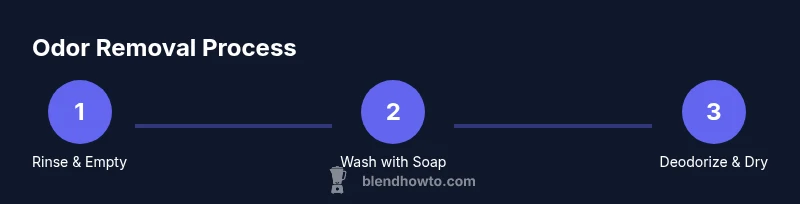
Remove all contents and rinse the bottle with warm water to loosen any residue. A quick rinse prevents residue from drying and sticking to the bottle walls.
Tip: Rinse immediately after use to reduce dried-on film and odors. - 2
Wash with Soap & Water
Add a small amount of dish soap and warm water; seal and shake or swish vigorously. Use a bottle brush to scrub the interior, mouth, and threads around the cap.
Tip: Scrub the gasket edge and cap threads where odors hide. - 3
Scrub Interior & Cap Thoroughly
Focus on tough spots: the bottom, corners, and the cap gasket. An old toothbrush helps reach small crevices; rinse again before deodorizing.
Tip: Maintain a regular schedule to prevent buildup. - 4
Deodorize with Baking Soda Paste
Mix baking soda with water to form a paste; apply to interior, let sit 5–15 minutes, then scrub and rinse. This neutralizes many lingering odors.
Tip: Avoid over-drying the paste on plastic; use a light film and rinse completely. - 5
Vinegar Soak for Persistent Odors
Fill bottle with 1 cup white vinegar and 3 cups water; soak for 8–12 hours. This helps neutralize stubborn smells that linger after washing.
Tip: Do not mix vinegar with bleach; ensure proper ventilation during soak. - 6
Rinse Thoroughly & Dry
Rinse all components until water runs clear. Air-dry the bottle and cap completely on a drying rack or clean towel before reassembling.
Tip: Keep the cap off during storage to prevent trapped moisture. - 7
Maintain Routine Cleaning
Incorporate a routine: rinse after each use, deep-clean weekly or biweekly, and replace worn gaskets as needed.
Tip: Set a reminder to perform regular maintenance to prevent odors.
Frequently Asked Questions
Why does my blender bottle smell after washing?
Odors form when dairy, protein powders, oils, and sugars cling to plastic and seals. Odors can hide in gaskets and threads, requiring targeted cleaning and drying to fully remove.
Odors stick around because residues cling to the plastic and seals; a targeted clean and thorough drying helps remove them.
Can I put the blender bottle in the dishwasher?
Many bottles are dishwasher safe, but check the manufacturer’s guidance. If dishwasher safe, place it on the top rack away from heat to prevent warping.
Check the label first; if allowed, use a gentle cycle and avoid high heat.
What is the best deodorizer for stubborn smells?
Baking soda paste and white vinegar are common, effective deodorizers. Lemon juice can help freshen, but avoid mixing strong acids with bleach.
Baking soda or vinegar works well; lemon juice is fine in moderation, but avoid mixing with strong cleaners.
How often should I clean my blender bottle?
Rinse after each use and perform a deep clean every 1–2 weeks, or sooner if you notice odor.
Clean after each use and deep clean every couple of weeks to prevent odors.
Is it safe to use lemon juice in all blender bottles?
Lemon juice is a natural deodorizer and is safe for most plastics, but test on a small area first and avoid long-term exposure on colored plastics.
Lemon juice can help odor but test first and don't soak colored plastics long-term.
What should I do if the smell returns after cleaning?
If odors recur, repeat a deeper clean cycle with baking soda or vinegar and inspect the gasket for wear. Consider replacement if odors persist after multiple cleanings.
Repeat the deodorizing clean and check the gasket; replace if odors keep coming back.
Watch Video
What to Remember
- Rinse immediately after each use
- Choose deodorizing methods based on odor severity
- Dry completely before storing
- Maintain a regular cleaning routine