How to Make Orange Juice with a Blender: A Practical Guide
Learn a fail-safe method to make bright, fresh orange juice using a blender. Simple prep, flavor tweaks, and cleanup tips for perfect juice every time.


You can make bright, fresh orange juice with a blender in minutes. This quick answer shows a practical method from selecting oranges to serving, plus a few practical tips to reduce pulp and bitterness. You’ll need a blender, fresh oranges, water or ice, and a strainer if you want a smooth juice; adjust texture to taste.
Why blender juice works for oranges
Blending is a fast, flexible way to extract juice from oranges while keeping the bright citrus oils intact. A blender handles whole segments more than enough for home-scale quantities, and you can control texture, sweetness, and temperature. For best results, start with ripe, juicy oranges and adjust speed to a gentle puree rather than a frothy blend. This approach preserves flavor and reduces oxidation compared with longer processing times. The BlendHowTo approach emphasizes practical, repeatable steps that fit a home kitchen without special equipment. When you know how to balance acidity, sweetness, and pulp, you can tailor each batch to your taste—whether you’re sipping solo or serving a crowd.
Selecting oranges and prep
Choosing the right oranges is the first step to vibrant juice. Valencia and Navel oranges are ideal for juicing because they yield high juice content with balanced sweetness and acidity. Look for firm fruit with a bright, even skin and a heavy feel for its size. Wash the fruit thoroughly, then roll each orange on the counter to loosen the juice before cutting. Slice in half and remove seeds if present. Keeping the fruit cold before juicing helps preserve aroma and brightness. A quick zest of orange rind can be added later for extra fragrance if you like, but avoid including bitter white pith.
Peel vs no-peel: what to do with orange rind
Peeling is optional depending on your texture preference. If you prefer a smoother juice with less pulp, peel the oranges completely and discard the zest. If you enjoy a brighter aroma and don’t mind a touch of pulp, you can leave some of the zest on and use a blender with a high-speed setting to integrate the oils. When zest is included, start with a small amount (a pinch) and blend briefly to avoid overpowering bitterness. Remember: the white pith contains bitterness compounds, so test in small increments if you’re experimenting.
Flavor boosters and variations
Orange juice shines on its own, but small tweaks can elevate it without complicating the process. Try a splash of cold water or a few ice cubes to chill and thin the juice to your liking. A tiny pinch of salt can balance sweetness and reduce bitterness in less ripe fruit. Ginger juice, a mint leaf, or a hint of vanilla can add depth for adults, while a touch of honey or agave offers natural sweetness for kids. For a more tropical profile, blend with a small amount of pineapple juice or cucumber to enhance refreshing notes without overpowering the citrus.
Texture control: pulp, froth, clarity
Pulp level is a personal choice. If you want smooth juice, blend briefly, then strain through a fine mesh or cheesecloth. For a thicker, smoothie-like texture, blend longer and pour with pulp intact. If froth forms on top, a quick stir or a brief pulse can calm it down. To maximize clarity, start with room-temperature liquid and cool the juice after blending, then strain before serving. A chilled glass and a few ice cubes will keep the juice tasting fresh longer.
Safety, sanitation, and cleanup
Always unplug the blender before disassembling the jar and blades. Rinse immediately after use to prevent juice from drying on surfaces. Use warm soapy water and a bottle brush to reach hard-to-clean nooks. Dry all parts completely before reassembling. If you notice any unusual odors or a dull sound during blending, stop and inspect the blades and gasket for wear. Regular maintenance helps ensure consistent results and a longer appliance life.
Troubleshooting common issues
If the juice tastes flat or dull, it may benefit from a touch more acidity or a squeeze of fresh citrus. If it’s too bitter, you likely used too much white pith or zest; remove more rind next time and blend briefly. Cloudiness is usually caused by excessive pulp; strain or blend shorter bursts to improve clarity. If you’re short on juice, reblend strained pulp with a splash of water for a quick second press. Finally, make sure your oranges are properly ripe; under-ripe fruit tends toward sourness and less juice.
Tools & Materials
- blender(A blender with at least 500–700 W for smooth blending.)
- fresh oranges (Valencia or Navel)(4–6 oranges yield about 1 cup juice; adjust for desired volume.)
- knife(Sharp blade for cleanly cutting oranges.)
- cutting board(Stable surface to prep fruit.)
- strainer or cheesecloth(Optional for a smooth juice without pulp.)
- cold water or ice(Used to chill and thin juice if desired.)
- stirrer or spoon(For tasting and mixing after blending.)
Steps
Estimated time: 15-25 minutes
- 1
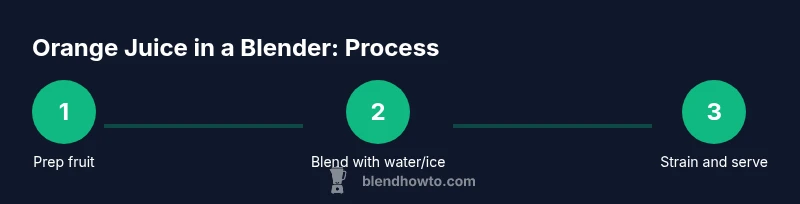
Gather and prep
Collect all ingredients and set up the blender. Rinse oranges and prepare your workspace to reduce cross-contamination. This step minimizes interruptions during blending and ensures consistency.
Tip: Have your ice or water ready before you start blending for a quick texture adjustment. - 2
Peel and segment
Peel the oranges and remove any seeds. Segmenting helps release juice more evenly and reduces the chance of pulp-heavy blends.
Tip: If you prefer zest, zest lightly before peeling off the rest. - 3
Add to blender
Place orange segments into the blender with a small amount of cold water or ice to aid extraction. Start with 1/4 cup water and adjust as you blend.
Tip: Avoid filling the blender jar more than 2/3 full for even blending. - 4
Blend briefly
Pulse or blend on low to medium speed 15–30 seconds until you reach a smooth texture. Avoid over-blending which can emulsify oils and create froth.
Tip: Use short bursts to prevent overheating and preserve aroma. - 5
Strain (optional)
If you want a pulp-free juice, strain through a fine mesh or cheesecloth. Press gently to extract more liquid without bitterness.
Tip: For a quick strain, place a coffee filter inside the strainer for finer filtration. - 6
Taste and adjust
Taste the juice and adjust with water, ice, or a tiny pinch of salt if needed. Add a hint of sweetness with honey or sugar only if required.
Tip: Add sweeteners glass by glass; you can always add more, but you can’t remove it. - 7
Chill and serve
Refrigerate briefly if you prefer cold juice, then transfer to a glass. Garnish with a citrus twist if desired and enjoy soon for best aroma.
Tip: Serve in a chilled glass to maximize refreshing sensation.
Frequently Asked Questions
Can I use any orange variety for juicing in a blender?
Most varieties work, but Valencias and Navels yield the most juice and balanced flavor. Avoid very seedy or dry fruit for best results. If your fruit is under-ripe, juice may be tarter and less fragrant.
Most oranges work, but Valencia and Navel are best for juicing due to higher juice content and balanced sweetness.
Should I peel all the rind or leave some zest?
Peeling all rind reduces bitterness, but leaving a touch of zest can boost aroma. Test in small batches to find your preferred balance.
Peel most rind to avoid bitterness, but you can add a little zest for extra aroma if you like.
Do I need to add water or ice when blending?
Adding a small amount of water or ice helps extract juice and achieves your preferred thickness. Start with a 1/4 cup and adjust as needed.
A splash of water or a few ice cubes helps extraction and texture; adjust to taste.
Can I refrigerate the juice for later?
Yes. Fresh orange juice keeps best in the refrigerator for up to 2–3 days in a sealed container. For longer storage, consider freezing in small portions.
Yes—refrigerate for 2–3 days in a sealed container, or freeze for longer storage.
Can I mix other fruits with orange juice in this method?
You can blend small amounts of other citrus or mellow fruits (like pineapple or mango) for a blended juice, but keep proportions reasonable to avoid overpowering the orange flavor.
Yes, you can blend a little pineapple or mango for variety, but keep it balanced.
Is it safe to leave the smoothie in the blender for later?
If stored properly in a sealed container, juice can stay fresh for up to 24 hours under refrigeration. For best flavor, consume sooner.
Store in a sealed container for up to a day; flavor is best when fresh.
Watch Video
What to Remember
- Choose ripe oranges for maximum juice
- Blend in quick bursts to control texture
- Strain for smooth juice if desired, then chill
- Taste and adjust before serving