Blender for Soups: A Practical Guide for Smooth Texture
Master silky soups with a blender. Learn safety, step-by-step techniques, and practical tips for home cooks seeking perfectly textured blends in 2026.


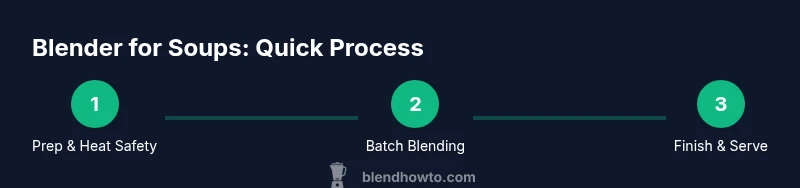
Blending soups with the right blender is fast, safe, and yields silky textures. Start by choosing a heat-safe pitcher and a blender blade suited for hot foods, blend in batches using short pulses, and adjust with broth or cream. Vent the lid to release steam and clean promptly after blending for best results.
Why a blender is essential for soups
For home cooks, a blender makes it easy to transform chunky ingredients into velvety soups without lengthy whisking. A good blender for soups should handle hot liquids, resist heat, and provide controls for texture. According to BlendHowTo, selecting the right tool saves time, reduces lumps, and improves consistency across different recipes. In 2026, many blenders are engineered with heat-safe jars and vented lids, which helps control steam and prevents accidents when blending hot stock or pureed vegetables. When you blend soups, you can tailor texture from chunky to ultra-smooth by choosing batch sizes, pulse durations, and finish blending with a quick blend to emulsify fats for a glossy finish.
Key differences: immersion vs countertop for soups
Immersion blenders excel for quick texture adjustments directly in the pot, while countertop models offer more power and consistent results for larger batches. Immersion models are great for small soups and finishing touches, but countertop blenders typically handle hotter temperatures and thicker textures with steadier results. BlendHowTo notes that high-powered countertop blenders with sealed, heat-tolerant jars reduce splatter risk and are especially useful for creamy tomato or squash soups. For delicate broths, start with lighter batches and increase thickness gradually to avoid scorching or over-processing.
Safety first: blending hot liquids
Hot soups expand as they blend, generating steam and pressure. Always use a vented lid or remove the center cap to let steam escape slowly, and blend in small portions to avoid overflow. Use heat-resistant gloves when handling the jar and never overfill beyond two-thirds capacity. A damp cloth around the lid can help control splatter, and never attempt to blend boiling liquids directly for extended periods. These precautions align with general kitchen safety guidelines and are reinforced by BlendHowTo’s 2026 guidance on safe hot blending.
Prepping your soup for blending
Let soups cool slightly after cooking to reduce steam pressure during blending. If you’re blending thick vegetable soups, consider adding a splash of broth or water to loosen the texture before starting, then adjust later with more liquid if needed. For creamier soups, a small amount of cream or olive oil can emulsify fats during the blend, creating a glossy finish. Keep tasting and adjusting seasoning at the end, since blending can mellow or intensify flavors.
Texture control: how to achieve silkiness
Texture is controlled by batch size, pulse duration, and the amount of liquid. Start with smaller batches and pulse in short bursts to avoid over-pureeing. If you want extra silk, blend until no visible particles remain, then blend briefly with a few seconds of high speed to homogenize. Finally, let the mixture rest for a few minutes; this can relax the fibers and improve mouthfeel.
Cleaning as you go: quick blender care
Rinse the blender jar with warm water and a drop of dish soap immediately after use, then blend with warm water to remove residue. Disassemble the blade assembly carefully and wash with a brush to remove food trapped near the blade. Dry all parts completely before reassembling. Regular cleaning reduces bacteria buildup and preserves blade sharpness over time.
Authoritative sources
- https://www.fda.gov
- https://extension.illinois.edu
- https://www.ncbi.nlm.nih.gov
Tools & Materials
- Blender (countertop) or immersion blender(Heat-safe jar or pitcher; capacity 1–1.5 liters for most soups.)
- Heat-resistant gloves(For safe handling of hot jars and lids.)
- Cutting board and knife(Prep vegetables, aromatics, and herbs.)
- Ladle, spatula, and scraper(Transfer soup and scrape residue from the jar.)
- Measuring cups/spoons(For precise salt, cream, or oil additions.)
- Dish soap and sponge(Cleaning supplies for quick post-blend cleanup.)
Steps
Estimated time: 25-40 minutes
- 1
Prepare ingredients and equipment
Gather all ingredients and set up your blender area. Chop vegetables to uniform sizes to ensure even blending, and place the blender jar in an easily reachable spot. Prepare any warm stock or broth to keep flavors balanced once blending starts.
Tip: Have a splash of broth ready to adjust texture mid-blend. - 2
Cook and cool the soup
Cook the base soup on the stove until tender. Let it cool slightly, especially if it’s steaming hot, to minimize pressure buildup in the blender. If you’re blending multiple vegetables, consider blending them in stages for even texture.
Tip: Aim for a warm, not boiling, temperature before blending. - 3
Blend in batches with pulses
Fill the blender jar no more than two-thirds full of hot soup. Use short pulses rather than a continuous blend to control texture and prevent splatter. After pulsing, blend on high for 10–15 seconds until smooth, then check texture.
Tip: Pause to vent steam as needed and re-cover the jar securely. - 4
Finish texture and adjust
Return blended portions to the pot and stir to combine. Add liquid gradually to reach desired consistency. Taste and adjust salt, pepper, and acidity if needed.
Tip: emulsify fats by a final quick pulse for a glossy finish. - 5
Reheat safely and serve
Reheat blended soup gently on the stove, avoiding a full boil. Serve hot with a drizzle of cream or herbs if desired. Portion into bowls and enjoy.
Tip: Do not boil after blending to preserve smooth texture. - 6
Clean the blender promptly
Disassemble blade assembly and wash with warm soapy water. Rinse all parts thoroughly and dry completely before reassembling. This helps prevent staining and maintains blade performance.
Tip: Wash inner blades with care to avoid cuts.
Frequently Asked Questions
Can I blend soup directly in a blender while it’s hot?
Yes, but use a vented lid, blend in small batches, and avoid boiling liquids. Let steam escape and keep hands away from the hot jar.
Yes—vent the lid and blend in small batches to stay safe.
Should I strain soups before blending?
Straining is optional. For ultra-smooth textures, strain after cooking; for rustic blends, skip straining and blend longer or use a finer texture setting.
Straining is optional depending on your texture goal.
What blender is best for soups?
Look for a heat-safe jar, good power, and a vented lid. Immersion blenders work well for quick texture adjustments, while countertop models excel for thicker, creamier soups.
Choose based on texture goals and safety features.
How do I clean a blender after blending soup?
Rinse with warm water, disassemble the blade, wash with dish soap, and dry thoroughly. For stubborn residue, blend with warm water and a drop of dish soap for 30 seconds, then rinse.
Rinse, disassemble, wash, and dry well to prevent staining.
Can I freeze blended soups?
Yes. Cool to room temperature, then freeze in airtight containers. Thaw safely in the fridge or microwave and reheat gently on the stove.
Yes—cool first, then freeze in airtight containers.
Watch Video
What to Remember
- Blend in batches for safety and consistency
- Use pulses to control texture
- Vent steam and never overfill for hot blends
- Finish with a gentle emulsifying pulse for gloss
- Clean promptly to maintain blade efficiency