Soup Blender Mastery: A Practical Guide for Silky Soups
Learn how to use a soup blender to achieve silky, restaurant-quality soups at home. This guide covers choosing the right blender, safe techniques for hot liquids, practical prep steps, texture tips, and troubleshooting to elevate your soups.


With a soup blender, you can transform chunky soups into smooth textures in minutes. This guide shows how to pick the right blender, prep ingredients safely, and blend in controlled bursts to avoid splatter, plus tips for texture and cleanup. By following these steps, you’ll consistently produce silky, restaurant-quality soups at home.
What is a soup blender and when to use it
A soup blender, also known as an immersion blender, is a handheld device that blends ingredients directly in the pot. It's ideal for hot soups, sauces, and purés because you can control texture without transferring to a countertop blender. When you’re short on time or want to keep flavors bright, a soup blender helps you achieve restaurant-quality textures with minimal cleanup. In this guide, you’ll learn when to reach for a soup blender, the differences between models, and how to maximize smoothness while preserving flavor. Whether you’re making a bowl of creamy tomato soup or a rustic vegetable bisque, the soup blender is a versatile tool in any kitchen.
In addition to its primary use with soups, a soup blender can emulsify sauces, purée cooked vegetables for kid-friendly meals, or create smooth purées for baby meals. For aspiring 3D artists exploring textures in food photography or recipe visualization, understanding how a blender affects texture can inform your project storytelling. The term soup blender is commonly used to describe an immersion blender, but many models also work well as hand blenders for sauces and drinks. By mastering the basics, you’ll approach texture with intention rather than guesswork.
Choosing the right blender for soup
There are two main families: immersion blenders and countertop blenders. Immersion blenders are versatile, compact, and ideal for blending hot soups right in the pot. Countertop blenders require transferring hot liquid, which adds safety concerns and potential heat loss. When selecting a blender for soup, look for power (watts), variable speeds, a comfortable handle, a sturdy blade, and a dishwasher-safe jar. A splash guard or lid improves control over splatter, especially with hot liquids. For beginners, a mid-range immersion blender with a splash guard is sufficient to master basic techniques. If you often blend thicker sections or need smooth purées, consider models with higher wattage and a robust blade design.
Selecting a blending method also depends on your kitchen setup. Immersion blenders excel for small batches and direct blending in the stock pot, while countertop blenders shine with larger volumes or frozen ingredients. If you frequently purée soups to a velvety finish, a blender with adjustable speed and a stable base will help you dial in the exact texture you want. Remember to check compatibility with your cookware—some pots have narrow mouths that make immersion blending trickier, so ensure your tool can reach the bottom without splashing.
Safety first: handling hot soups with blenders
Working with hot soup requires respect for steam and pressure. Always vent the vessel either with a vented lid or by slightly lifting the lid to release steam while blending. Keep your hand away from the blender base to avoid burns, and use short blending bursts rather than running the motor flat out. If using a countertop blender, blend in batches and never fill above the max line. Use a stable surface, and unplug the device before disassembling for cleaning. With these precautions, you can blend hot soups safely and enjoy silky textures.
Safety is not just about avoiding burns; it’s also about maintaining flavor and texture. Hot blending increases evaporation, which can concentrate flavors unevenly if you overblend one section. Start with shorter pulses and move the blender slowly through the pot to minimize scorching at the bottom. If you notice steam escaping toward your face, pause and let the liquid settle before continuing. A cool-down moment with a quick stir helps ensure even blending when you resume.
Prep steps before blending
Before you blend, prep your ingredients and plan your texture. Chop vegetables into uniform pieces for even cooking, simmer until tender, and season the base to taste. If you’re aiming for a velvety texture, consider pre-cooking aromatics (onions, garlic, carrots) to deepen flavor. If you’re using a countertop blender, allow the soup to cool slightly to a safe blending temperature, then blend in batches to avoid overflow. Always reserve a small amount of stock or water to adjust thickness after blending. Finally, wipe the pot rim to prevent splatter during blending.
As a general rule, heat-level management is crucial for soup blending success. Cooler base soups are easier to blend smoothly, while very hot soups require more careful venting and shorter bursts. For recipes that include dairy or coconut milk, plan to blend those ingredients after the initial blend for a creamier finish.
Step-by-step blending techniques you can use
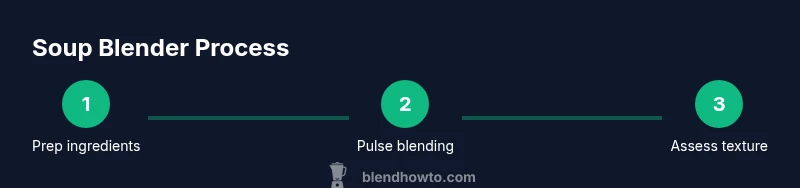
Blend in short bursts, starting on low speed and gradually increasing as needed. Move the blender slowly up and down the pot to ensure all chunks are captured. If using an immersion blender, keep the blades fully submerged to avoid splatter. For chunky soups, blend a portion and then stir in the rest to preserve texture. If your soup is too thick, add hot stock a little at a time and blend again until you reach the desired consistency.
For non-immersion methods, transfer cooled soup to a countertop blender in batches, filling no more than halfway, and vent the lid to release steam. Hold the lid down with a towel to prevent leaks. This approach can yield the smoothest results for very thick purées. Finally, taste and adjust seasoning after blending, since heat and blending can alter the flavor balance.
Achieving silkiness: texture tips and tricks
Silky soup often comes from a combination of proper blending and smoother ingredients. If you prefer ultra-smooth textures, strain the blended soup through a fine-mesh sieve or chinois and return it to the pot. Adding a splash of cream, coconut milk, or a pat of butter can enrich mouthfeel. For dairy-free options, emulsion techniques with nut milks or silken tofu can help create creaminess without dairy. If you want more body without heaviness, finishing with a small amount of starch slurry or a potato purée can produce a luscious body. Finally, use acid (lemon juice or vinegar) sparingly at the end to brighten flavors without breaking the texture.
Texture mastery also involves temperature management. Serve slightly warmer than room temperature to maximize the perception of creaminess. If your soup separates after cooling, reheat gently and whisk while reheating to re-emulsify fats. Practicing with a few base soups will help you dial in the exact texture you prefer for different ingredients.
Cleaning, care, and storage
After blending, rinse the blade under running water to dislodge any clinging bits. If your blender is dishwasher-safe, place the detachable parts on the top rack after a quick rinse. For stubborn stains or odors, a quick soak with warm water and a drop of dish soap can help. Dry all parts thoroughly before reassembling. When storing, keep blades guarded and avoid storing with liquid in the jar to prevent corrosion. Regular maintenance, such as checking seals and whisk attachments, prolongs blade life and performance.
Quick recipe ideas and troubleshooting
Tomato-basil soup becomes silky with a few pulses and a quick finish with a touch of cream. A carrot-ginger soup blends smoothly with roasted garlic for depth. If you encounter lumps, blend in short bursts longer or strain through a sieve. If your blender stalls or struggles, pause to let the motor cool, then resume blending in shorter intervals. A good rule is to blend until you see no visible chunks, then adjust thickness with stock or water as needed.
Tools & Materials
- Soup blender (immersion blender)(Choose a model with 200–900W power, variable speeds, and a comfortable grip.)
- Heat-safe pot or stock pot(Wide-mouth or tall pot works best for immersion blending in place.)
- Tall, heat-safe pitcher or measuring cup(For countertop blending in batches, ensure it’s heat-safe and tall enough to prevent splashes.)
- Lid or splash guard(Helps control splatter when blending hot liquids.)
- Silicone spatula(Scrape sides and help mix blended portions back into the pot.)
- Thermometer(Useful to verify temperatures when safety thresholds matter.)
- Dish soap and sponge(For cleaning blades and jars promptly after use.)
Steps
Estimated time: 30-45 minutes
- 1
Gather ingredients and equipment
Lay out all ingredients, seasonings, and the blender setup. Check that the immersion blender head is clean, blades are secure, and the pot is ready. This preparation keeps the workflow smooth and minimizes mid-cook interruptions.
Tip: Have towels handy and clear a space so you can move quickly without splashing hot liquid. - 2
Prep the base and aromatics
Chop vegetables evenly, sauté aromatics, and simmer the base until vegetables are tender. Season subtly at this stage to prevent over-seasoning after blending.
Tip: Even piece sizes ensure uniform cooking and a smoother final texture. - 3
Cool slightly and vent
If you’re blending in the pot, let the soup cool for a couple of minutes and use the vented lid or lift the lid briefly to release steam. This reduces the risk of splatter.
Tip: Vent early to avoid pressure build-up during blending. - 4
Blend in short bursts
Insert the immersion blender, keep blades submerged, and blend in short pulses. Move the wand slowly through the pot to catch all chunks.
Tip: Start on low speed and increase gradually to control texture. - 5
Assess texture and adjust
Check for lumps and thickness. If needed, blend a bit more or add hot stock to reach your desired consistency.
Tip: For velvety results, blend until no lumps remain then finish with cream or dairy-free cream. - 6
Clean and store
Rinse the blade immediately after use, wash detachable parts, and dry completely before storing.
Tip: Drying prevents rust and maintains blade efficiency for next time.
Frequently Asked Questions
What is a soup blender and why should I use one?
A soup blender, or immersion blender, blends ingredients directly in the pot for hot soups, sauces, and purées. It’s fast, convenient, and reduces the need to transfer hot liquids to a separate blender. This makes clean-up easier and helps you control texture precisely.
A soup blender is a handheld tool that blends right in the pot for hot soups, making texture control quick and cleanup easy.
Can I blend hot soup in a regular blender?
Yes, but you must cool the soup slightly and blend in batches with the blender vented to avoid pressure buildup and splatter. Transferring hot liquids to a countertop blender increases the risk of burns and spills.
Yes, but cool the soup a bit and blend in batches with venting to prevent splatter.
How do I prevent lumps in blended soup?
Blend in short bursts, move the blender through the pot to catch chunks, and if needed, strain the soup through a fine mesh sieve after blending. The key is blending evenly across the entire batch.
Blend in quick bursts and move the wand through the whole pot to catch every chunk.
Should I cool soup before blending it?
A small cooling period is often wise, especially for immersion blending, to reduce steam and splatter while maintaining flavor. Always follow your blender’s safety guidelines.
A short cool-down helps prevent splatter and keeps your flavors balanced.
How do I clean a blender after blending soup?
Rinse the blade immediately, wash detachable parts with mild soap, and dry thoroughly before reassembling. Avoid leaving soup residues, which can affect flavor and performance.
Rinse right after use, wash the parts, and dry well before storing.
Can blended soup be frozen?
Yes, most blended soups freeze well. Cool completely, portion, and store in airtight containers. Thaw in the fridge or reheat gently on the stove.
Yes, you can freeze blended soup in portions and reheat when ready to eat.
Watch Video
What to Remember
- Master the handheld blender for hot soups to save time
- Blend in short bursts to control texture and prevent splatter
- Pre-cook aromatics and vegetables for depth of flavor
- Finish with dairy or dairy-free cream for silkiness
- Clean promptly to extend blender life