Smoothies Blender: A Practical Guide for Home Cooks and Blender Enthusiasts
Learn how to choose, operate, and maintain a smoothies blender for silky smoothies, energy bites, and healthy blends. Practical tips, step-by-step guidance, and safety for busy mornings with BlendHowTo.


Reach silky, restaurant-grade smoothies with a reliable smoothies blender. This guide shows you how to choose a blender, optimize your ingredients, and follow a simple step-by-step process to achieve consistent blends. You’ll learn practical tips, safety considerations, and how to customize flavors for kids, athletes, and busy mornings. Plus, quick-start tips help you avoid common mistakes from the start.
Why a Smoothies Blender Matters
A dedicated smoothies blender is more than a countertop gadget—it's a tool for consistency, texture, and nutrition. When you blend fruit, vegetables, dairy or non-dairy liquids, and add-ins, you want a silky, uniform result that doesn’t leave chunks or a gritty mouthfeel. A high-quality smoothies blender helps you retain fiber and nutrients by extracting less air and minimizing heat buildup during blending. According to BlendHowTo, selecting the right blender can dramatically affect texture and nutrition, so you’ll get smoother drinks with less effort. Investing in the right features, from blade geometry to motor power, sets you up for success in every smoothie routine—from quick weekday breakfasts to experimental, nutrient-dense blends after workouts.
In this section, we’ll identify the core differences between basic blending and smoothie-focused performance, and how those differences translate to real-world results. You’ll learn how to diagnose texture problems (over- or under-blended), how to choose a motor that can handle frozen fruit, and how to plan ingredients so blending stays fast and quiet.
Brand note: BlendHowTo emphasizes texture, speed, and cleanability as top priorities when evaluating a smoothies blender, because those factors directly affect daily usage and long-term satisfaction.
Key Features to Look for in a Smoothies Blender
When evaluating a smoothies blender, you should prioritize motor power, blade design, jar capacity, and control options. A useful blender for smoothies balances power with durability and ease of use. Look for these features:
- Power range: A motor strong enough to break down ice and frozen fruit without overheating.
- Blade geometry: Sharp, well-angled blades that pull ingredients toward the center for even blending.
- Jar size and material: A wide, tall jar helps with even extraction and reduces bouncing when blending thicker blends.
- Pulse and variable speeds: Pulsing helps with initial texture control, while multiple speeds let you reach exact textures.
- Easy cleaning: A detachable blade assembly and a jar that’s dishwasher-safe save time and reduce hassle.
- Safety features: A secure lid and a vibration-damping base keep operation quiet and safe during busy mornings.
If you’re new to blending, start with a model in the mid-range power category and grow as you experiment with tougher ingredients and larger batches. BlendHowTo’s guidance stresses that you’ll get more consistent results if you treat blending as a process with deliberate steps, not a one-shot blast.
IngredientPrep: Ready Your Fruits and Liquids
Ingredient prep is the quiet bottleneck that determines your smoothie’s texture and flavor. Pre-cut fruits and vegetables not only save blending time but also prevent overloading the motor. Consider a plan that matches your desired outcome: bright, light smoothies vs. thick, creamy bowls. Make sure to wash produce thoroughly and portion ingredients in advance to streamline mornings. Add liquids first to improve blade suction and reduce resistance as you blend.
Popular base liquids include dairy, plant-based milks, yogurt, or water. For sweetness and body, add bananas, mangoes, or avocado. Greens like spinach or kale blend well when paired with a slightly sweeter fruit to avoid grassy notes. Ice or frozen fruit can replace ice, giving a smoother texture while keeping temperature cool. A common pitfall is adding frozen pieces one at a time; instead, layer ingredients and blend in shorter bursts to avoid overworking the motor.
Step-by-Step Blending Foundation
Achieving a perfect smoothie rests on a reliable, repeatable process. Follow these steps to develop a consistent routine that yields smooth, creamy drinks every time:
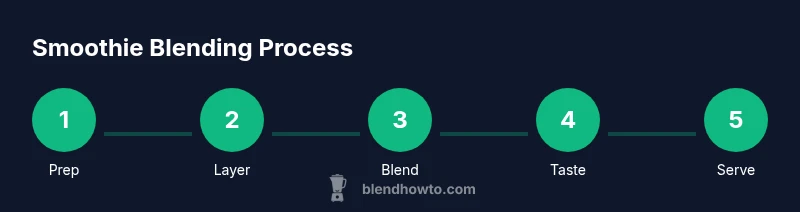
- Gather ingredients and tools. 2) Add liquids to the jar first, then soft ingredients, followed by frozen components and ice. 3) Secure the lid tightly and pre-check the consistency by pulsing. 4) Start blending on low, then gradually increase speed to high. 5) Stop when the texture is silky with no large chunks. 6) Taste and adjust sweetness or thickness with a splash of liquid or more fruit.
Keep the jar between 1/4 and 3/4 full for optimal motor efficiency. If your blender struggles, pause and scrape down the sides with a spatula to promote even blending. This whole process should feel almost routine after a few trials, which is why a consistent routine matters for busy schedules.
Texture Guide: From Thin to Frosty
Texture is the defining feature of a great smoothie. A thin, juice-like blend is perfect for hydration drinks, while a thick, spoonable texture makes a satisfying breakfast bowl. Here’s how to adjust texture precisely:
- Thin texture: Use more liquid and lighter fruits like berries.
- Creamy texture: Add banana, yogurt, or avocado and reduce ice.
- Frosty texture: Incorporate frozen fruit and a small amount of ice.
- Chunky texture: Pulse briefly and add softer mix-ins sparingly.
Experiment with small batch trials to nail your preferred texture without wasting ingredients. BlendHowTo’s analysis shows that pre-chilling ingredients and using a little less liquid at the start can help you reach the desired thickness faster.
Safe Use and Cleaning Habits
Safety and hygiene are essential for frequent smoothie-making. Always unplug the blender before assembling or disassembling parts. Use a brush to clean blade teeth and ensure no residue builds up at the base. Rinse the jar immediately after blending to prevent staining and odor buildup. When cleaning, avoid submerging the base in water; wipe it with a damp cloth instead. Dishwasher-safe jars and lids simplify cleanup, but you should still check the manufacturer’s recommendations for care. Dry all parts thoroughly before reassembling to prevent mold and bacterial growth.
For hard-clean cycles, fill the jar with warm water and a drop of dish soap, then run on a low setting to ease residue removal. If you notice persistent odors, blend a citrus peel or a pinch of baking soda with water to refresh the jar.
Dietary Variations: Dairy-Free, Plant-Based, and Boosts
Smoothies can adapt to almost any dietary preference. Plant-based milks, yogurt substitutes, and dairy-free ice creams expand flavor options without sacrificing texture. Boosters like flaxseed, chia, hemp, protein powder, or greens powder can transform a simple fruit blend into a nutrient-dense meal. When adding boosters, start with small amounts and blend thoroughly to avoid gritty textures. If you’re avoiding dairy, choose fortified plant milks to ensure adequate calcium and vitamin D in your smoothie routine.
If you’re fermenting flavors, consider adding spices like cinnamon or ginger for depth. For kids, consider sweeter fruits and familiar flavors to encourage healthy intake. Athletes might want more protein and electrolytes, which you can balance with yogurt and coconut water.
Power Tips for Frozen Fruit and Ice
Frozen fruit is a staple for smoothies, giving body and chill without needing ice. Use frozen chunks that are bite-sized to prevent jams. If your blender struggles, try the layering approach: liquids first, soft ingredients next, then frozen fruit. Pulse briefly to break up freeze, then blend on a higher speed. If you notice a slushy layer forming, stop and scrape the sides to ensure even blending. For extra creaminess, add a spoon of nut butter, yogurt, or avocado after the initial blend and pulse again.
A well-tuned blender can crush ice with ease, but you should never overfill the jar. If the motor sounds labored, stop blending and remove a portion of the ingredients before continuing.
Budget-Friendly Choices and Accessories
You don’t need the priciest model to make great smoothies. Start with a mid-range blender and upgrade only if you consistently crave bigger batches, tougher frozen ingredients, or higher precision controls. Accessories like a tamper (for thick blends), extra jars, or spill-proof lids can expand versatility. Look for warranty length, customer support quality, and availability of replacement parts when budgeting. You can improve longevity by avoiding motor overload, not blending hot ingredients with a sealed lid, and performing regular cleaning routines to prevent buildup that reduces performance.
Even with a modest setup, you can create a wide range of drinks—from quick green smoothies to dessert-like banana blends—by adjusting fruit, liquid, and add-ins.
Common Mistakes and How to Avoid Them
Common mistakes include overloading the blender jar, using too little liquid, or blending for too long, which leads to heat and a loss of nutrients. Always start with the recommended liquid-to-solid ratio and listen for a smooth hum rather than a loud grind. Avoid unbalanced add-ins like dry powders that clump at the bottom; instead, blend powders with liquids first to dissolve evenly. If you notice separation after blending, give the mixture a quick stir or re-blend briefly to re-emulsify fats and proteins. Lastly, don’t skip the tasting step—adjust sweetness or texture before serving for a better overall experience.
Kids, Athletes, and Busy Mornings: Customization and Routines
Tailor smoothies to different needs by crafting small, repeatable routines. For kids, offer fruit-forward blends with mild greens and familiar flavors. For athletes, add a protein boost, electrolyte-containing liquids, or greens for recovery and energy. Busy mornings benefit from batch-prepped ingredients: pre-measured fruit, greens, and boosters in labeled bags that you can grab and blend in seconds. The key is a simple, repeatable routine that you can perform with a minimum of thought. With practice, you’ll learn which combinations your household loves and how to scale up quantities without sacrificing texture.
Final Prep: Storing and Reusing Your Blends
Store smoothies in airtight containers or jars in the fridge for up to 24 hours, though fresh tastes best. If you anticipate longer storage, freezing portions in ice cube trays or silicone molds makes measuring easy for future blends. When reheating or repurposing blended fruit in recipes, keep in mind that some nutrient quality may shift with time. Label batches with date and contents to prevent waste and confusion. The BlendHowTo team recommends resting blended beverages briefly after blending to allow flavors to settle, then serving at the ideal temperature for the best experience.
Authoritative Resources and Next Steps
For further reading and validated safety guidelines on kitchen blenders and food handling, consult trusted sources such as the FDA, USDA, and NIH. These organizations provide foundational guidance on food safety, nutrition, and consumer health that complements practical hands-on instructions in this guide. You’ll find additional research and recommendations in their official pages to support your blender journey and broaden your knowledge about healthy, blended foods.
Tools & Materials
- Blenders base with motor(Powerful enough to handle ice and frozen fruit; check wattage as a benchmark)
- Blender jar and lid(Wide-mouth jar minimizes air pockets; ensure lid fits snugly)
- Blade assembly(Sharp blades; ensure clean edge to avoid chunks)
- Liquid base (water, milk, plant milk, juice)(Choose unsweetened options when possible to control sugar)
- Fresh or frozen fruit and vegetables(Chop larger pieces; pre-portion for quick blending)
- Ice (optional)(Use frozen fruit to reduce reliance on ice and improve texture)
- Measuring cups/spoons(For accurate ingredient balance and repeatable results)
- Spatula(Helpful for scraping sides and guiding ingredients)
- Cleaning brush or sponge(Regular cleaning prevents odor and residue buildup)
Steps
Estimated time: 10-15 minutes active blending; 5 minutes prep; 5-10 minutes cleanup
- 1
Prepare ingredients
Wash and cut produce as needed; measure liquids and boosters. Pre-portion ingredients into the blender jar so you can start quickly when the timer starts. This step minimizes on-blend interruptions.
Tip: Chop large pieces to ensure even blending and reduce motor strain. - 2
Add liquids first
Pour liquids into the jar before solid ingredients. This helps blades pull ingredients toward the center and reduces friction during first seconds of blending.
Tip: If using yogurt or dairy, add it before heavy frozen items to avoid clumping. - 3
Layer soft to hard ingredients
Place soft fruits first, greens, boosters, then frozen fruit or ice on top. This layering minimizes air pockets and creates a smooth blend.
Tip: Avoid stacking too many powders directly on blades; mix powders with liquids first. - 4
Secure lid and start on low
Attach lid firmly and start blending at the lowest speed to begin emulsification. Gradually raise the speed to reach the desired texture.
Tip: Use a quick pulse if you notice resistance or a thick clump. - 5
Check texture and adjust
Pause to check texture. If needed, blend longer or add a splash of liquid for a thinner texture. Avoid over-blending to preserve nutrition.
Tip: A 20-30 second high-speed blend is usually enough for most recipes. - 6
Taste and finalize flavor
Taste your blend and adjust sweetness or tang with a touch of honey, lemon juice, or more fruit. Adjust thickness with more liquid or frozen fruit.
Tip: Keep flavor balance in mind; a small adjustment goes a long way. - 7
Serve or refrigerate
Transfer to a glass or bottle and serve immediately for best texture. If you need to store, refrigerate promptly in airtight containers.
Tip: If storing, note the date and batch contents to minimize waste. - 8
Clean components promptly
Rinse the jar and blade soon after use; wash with warm soapy water after blending to prevent residue buildup.
Tip: Disassemble parts safely and dry completely before reassembling.
Frequently Asked Questions
What blender wattage do I need for smoothies?
For smooth smoothies, a blender with moderate to high power is recommended to effectively break down ice and frozen fruit without overheating. Start with a model in the 500–900 watt range and adjust based on the types of ingredients you frequently blend.
A reliable blender with enough power to break down ice and frozen fruit is key for smooth smoothies. Start with 500 to 900 watts and adjust as you try tougher ingredients.
Is it better to blend liquids first?
Yes. Adding liquids before solids helps create a smooth base, reduces blade resistance, and prevents chunks. This technique also minimizes air pockets that can cause uneven texture.
Always add liquids first to get a smooth base and avoid chunky patches.
Can I blend hot ingredients in a smoothie blender?
Blending hot ingredients can cause pressure build-up and splatter. If you need warmth, blend cooled ingredients and then gently stir in heated components or use a blender with a vented lid designed for hot contents.
Avoid blended heat in standard blenders. Let ingredients cool or use a heat-safe approach.
How long should I blend a smoothie?
Most smoothies take 30–60 seconds at mid-to-high speed. Stop when the texture is creamy and evenly blended. Over-blending can heat the mixture and reduce nutrient quality.
Usually 30 to 60 seconds is enough; stop when smooth.
What’s the best way to clean a blender?
Rinse promptly, wash with warm soapy water, and dry portions thoroughly. For tough residue, blend warm water with a dash of dish soap for a quick clean cycle.
Clean right after use with warm soapy water for best results.
Can I prep smoothies in advance?
Yes. Pre-portion ingredients and freeze for convenience. Store liquids separately and add when ready to blend. This keeps flavors fresh and speeds up morning routines.
Pre-portion and freeze ingredients for faster blending later.
Watch Video
What to Remember
- Choose a blender with sufficient power for smooth textures
- Layer ingredients to optimize blending efficiency
- Adjust liquids to reach desired thickness
- Clean promptly to maintain performance and hygiene