How to Make Blender Smoothies: A Simple Guide for Beginners
Discover a practical, beginner-friendly approach to making blender smoothies. This guide covers ingredients, equipment, step-by-step methods, and tips to customize texture, flavor, and nutrition.


By the end of this guide, you’ll learn how to make a blender smoothie from scratch, including choosing ingredients, balancing flavors, and using the right blending settings. You’ll need a blender, fresh produce, a measuring cup, and a flexible recipe approach to customize texture. According to BlendHowTo, simple batch blending yields reliable, delicious results every time.
The Philosophy of a Great Blender Smoothie
Crafting a great blender smoothie goes beyond tossing fruit into a jar. A thoughtful blend respects texture, balance, and nutrition, with each ingredient playing a support role. According to BlendHowTo, the best smoothies start with quality produce and a plan for texture. Embrace a flexible framework: a base liquid, a handful of produce, a source of protein or fat if desired, and a dash of flavor boosters. This approach reduces guesswork and yields consistent results across seasons. In practice, you’ll aim for a velvety body, a bright taste, and a finish that’s not too thin or grainy. This section explores how to assemble a winning recipe and tailor it to your preferences without sacrificing nutrition or flavor. By applying these principles, you’ll feel confident creating smoothies that satisfy both appetite and dietary goals, whether you’re sipping a post-workout shake or a quick breakfast on busy mornings.
Core Ingredient Strategies
Choosing ingredients sets the mood of your smoothie. Favor fresh fruits when possible for brightness, and use frozen fruit to add creaminess and chill without diluting flavor. The BlendHowTo team notes that balancing colors and textures can elevate a recipe from simple to satisfying. Start with a base of greens like spinach or kale for nutrition, add a main fruit, then a secondary fruit or a creamy element such as yogurt, banana, or avocado, and finally a small amount of fat (nut butter or seeds) to improve mouthfeel. If you want a protein boost, consider a scoop of protein powder or a small handful of seeds. Keep a short list of go-to add-ins (lemon zest, ginger, cinnamon) to sharpen flavors and layer aroma. With practice, you’ll recognize which combinations align with your taste and how substitutions affect the final texture.
Liquids, Texture, and Balancing Flavors
The liquid you choose is the scaffolding of your smoothie. Water yields a lighter drink, while milk, dairy or plant-based, adds creaminess and body. Juice concentrates sweetness, but may overwhelm delicate flavors; yogurt or silken tofu can raise protein and provide a silkier mouthfeel. Blend numbers matter: a general guideline is one cup of liquid for every two cups of solid ingredients, but this ratio shifts with fruit juiciness and ice. Taste early and adjust gradually; a dash of citrus can awaken flavors, a pinch of salt can round sweetness, and a splash of vanilla can deepen aroma. If you’re chasing a smoother texture, blend longer at a lower speed at first, then finish with a brief high-speed pulse to polish the blend.
Temperature and Ice: Freeze vs Fresh
Warm or room-temperature ingredients blend more slowly, so keep cold ingredients on hand. Frozen fruit is a natural thickener and creamier texture without needing dairy, but it may require more liquid to avoid slush. Ice is quick but can water down flavors if overused. Start with frozen fruit and a small amount of ice, then add more as needed. If you’re avoiding dairy, add a frozen banana or avocado for body. Always pause halfway to scrape down sides and ensure even blending.
Common Mistakes and How to Fix Them
Common missteps include over- or under-mixing, using too much liquid, and failing to prep ingredients evenly. If your smoothie is gritty, blend longer or add a tiny amount of yogurt or banana as a natural emulsifier. A too-thick blend benefits from a small splash of liquid; too-thin can be rescued with a handful of ice or frozen fruit. Don’t forget to taste and adjust acidity with a squeeze of citrus or a pinch of salt. When altering recipes, keep notes about substitutions so you can recreate successes.
Seasonal and Nutrition Tweaks
This is where you can tailor smoothies to your goals and the season. In summer, use watery fruits like watermelon and cucumber to refresh, adding mint for brightness. In winter, embrace heartier ingredients such as oats, chia, or nut butters to boost fiber and protein. Consider a protein powder, hemp seeds, or flax for extra omega-3s, and add leafy greens for micronutrients. If you’re blending for kids, layer flavors that appeal to them and reduce tartness with gentle sweetness like ripe mango or banana.
Tools & Materials
- Blender (high-speed preferred)(600–1000W recommended for smooth textures)
- Cutting board(For pre- prepping fruits and greens)
- Sharp knife(Stable cutting edge; use a chef's knife)
- Measuring cups (1 cup / 250 ml)(Accurate liquid and ingredient amounts)
- Measuring spoons (tablespoon/teaspoon)(For small additives like vanilla or zest)
- Glass or jar for serving(Keep smoothie cold and fresh)
- Optional: kitchen scale(For precise protein or seed additions)
- Straw (optional)(For sipping on the go)
Steps
Estimated time: 20-25 minutes
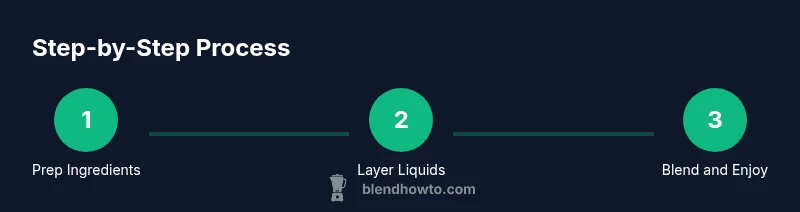
- 1
Gather ingredients and equipment
Collect your chosen produce, liquids, and add-ins. Wash produce and pat dry. Measure liquids and solids so you know what you’ll blend.
Tip: Pre-measure and pre-cut to speed up the process and avoid interruptions. - 2
Add liquids to the blender first
Pour the liquid into the blender before solids to protect blades and ensure smooth blending. This creates a liquid barrier that helps pull solids into the blades.
Tip: Layer liquids toward the blades to create an initial whirl of movement. - 3
Add greens and soft fruits
Place leafy greens and soft fruits on top of liquids to help the blades start chopping with less resistance. This step builds a creamy base without overworking the motor.
Tip: Roll greens a bit to break apart fibrous clumps. - 4
Add frozen ingredients and ice gradually
Toss in frozen fruit first and then small amounts of ice if needed. Frozen ingredients add creaminess and chill without diluting flavor.
Tip: Add ice in small increments to maintain control over texture. - 5
Blend on low then high until smooth
Start on a low setting to break up solids, then move to high until the mix is creamy with no chunks. Pause to scrape the sides if needed.
Tip: Use brief pulses to prevent over-blending. - 6
Taste, adjust texture and flavor
Taste and adjust by adding liquid, dairy/non-dairy, or a squeeze of citrus. Repeat blending until you reach the desired consistency.
Tip: If you add new ingredients, re-blend briefly to integrate. - 7
Serve and clean up
Pour into glasses, add toppings if desired, and rinse the blender immediately to prevent residue hardening.
Tip: Rinse with warm water and a drop of soap right after use.
Frequently Asked Questions
What makes a blender smoothie creamy without dairy?
Use frozen fruit and a creamy base such as banana, yogurt, or a dairy-free milk to achieve a rich, smooth texture. Layer greens and add-ins to boost nutrition without sacrificing mouthfeel.
Try frozen fruit with a banana or dairy-free yogurt for creaminess.
Can I use frozen fruit instead of ice?
Yes. Frozen fruit provides chill and body without watering down flavors. You may need slightly more liquid to reach your desired consistency.
Frozen fruit can replace ice; you might adjust the liquid a bit.
How do I fix a smoothie that’s too thick?
Add small amounts of liquid or a touch of dairy-free milk until the texture loosens. You can also blend with a banana to restore creaminess.
Add a splash of liquid and re-blend until smooth.
Should I peel fruits or leave skins on?
Wash and prepare fruits; peel only when the skin is tough or bitter, such as citrus zest, or if the skin affects texture. Many fruits are fine with skins for extra fiber.
Rinse everything well; leave skins on unless texture or taste suggests peeling.
Is it better to blend leafy greens first?
Yes. Add greens with some liquid and blend briefly to break down fibrous bits, then add the rest of the ingredients. This helps achieve a smoother texture.
Start with greens and liquid for a smoother base.
How long can a smoothie be stored in the fridge?
For best flavor and texture, consume within 24 hours. Refrigeration slows changes in texture and taste, but nutrients may degrade over time.
Best eaten the same day; refrigerate up to a day.
Watch Video
What to Remember
- Gather ingredients and tools before blending.
- Layer liquids first, then solids for smooth results.
- Blend in stages to control texture and flavor.
- Taste and adjust gradually before serving.