Smoothie with Blender: Ultimate Step-by-Step Guide
Learn to craft creamy, refreshing smoothies using a blender. This BlendHowTo guide covers ingredients, textures, equipment, and expert tips for perfect results with practical, proven steps.


You will learn to create a creamy, balanced smoothie using a blender. This guide covers ingredient selection, texture targets, equipment basics, blending order, and cleanup shortcuts to help you consistently achieve smooth, flavorful results every time you blend.
Why a High-Quality Blender Improves Smoothies
A smoothie with blender becomes consistently creamy when you use a reliable blender with sharp blades and sufficient power. According to BlendHowTo, a strong blender dramatically improves texture, reduces chunking, and speeds up prep. When you invest in a model with a well-designed blade system and a sturdy jar, ingredients blend more evenly, ice is crushed into powdery snow, and air pockets are minimized. This foundational difference matters whether you’re making a simple strawberry-banana blend or a greens-heavy smoothie bowl. In practice, you’ll notice smoother results, better nutrient extraction, and less effort cleaning the jar after use. This section explains how to select the right blender features for smoothies and how to tailor your technique to different ingredients. You’ll learn why motor power, blade geometry, and jar design all contribute to a superior smoothie with blender.
Core ingredients and substitutions
Smoothies start with a stable base and a balance of fruit, greens, and liquids. A good starter base is a neutral liquid such as water, milk, or a plant-based alternative, which helps maintain a smooth texture without overpowering flavors. Fresh or frozen fruit adds natural sweetness and body; frozen fruit often yields a creamier mouthfeel with less reliance on dairy. For green smoothies, leafy greens blend best when paired with a slightly sweet fruit to mask potential bitterness. Add-ins like protein powder, flaxseed, chia, or oats can boost nutrition and texture, but start with small amounts to avoid grittiness. If you need more tang, a splash of citrus juice or yogurt can brighten the blend. Blend until the liquid moves freely without off-putting lumps, and adjust by adding more liquid or a few ice cubes as needed.
Equipment and blender types
Choosing the right blender is as important as the ingredients. Countertop blenders with 1000+ watt motors excel at crushing ice and handling fibrous greens. Look for stainless steel blades, a sturdy jar with a tight lid, and a reliable pulse function to control texture. Immersion blenders can work for simple, on-the-go blends but may struggle with thick, frozen smoothies. If you expect to blend tough greens or bulkier ingredients, a high-torque motor and durable blades will save time and reduce heat buildup, which can affect flavor and nutritional quality. Regularly inspecting blade sharpness, jar integrity, and gasket health helps maintain performance over time. This section helps you map your needs to the appropriate blender features and avoid common mis-purchases.
Texture and emulsification: getting it right
Texture is the defining feature of a great smoothie. A smooth, spoonable texture means the ingredients have blended evenly, with no gritty bits or frothy pockets. Emulsification—blending fats, proteins, and liquids into a uniform mixture—depends on ordering and blending duration. Start with liquids to allow the blades to establish a circulating path, then add soft ingredients, then frozen components to hit the peak creaminess. If you see separation after blending, a little more liquid and a few seconds of blending on low can restore cohesion. Remember that temperature affects texture: slightly cooler blends feel thicker and more refreshing on warm days. This section provides practical texture targets and explains how to diagnose and fix common texture issues.
Step-building approach: a practical blending framework
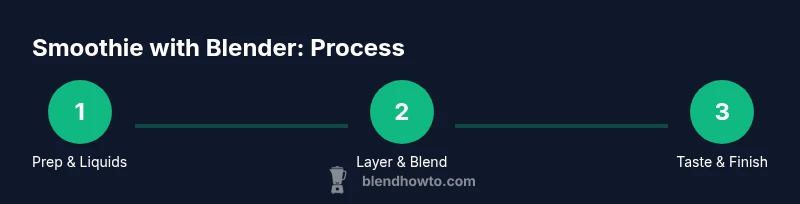
A repeatable blending framework helps you achieve consistent results across recipes. Begin with a base of liquids, followed by soft ingredients like yogurt or bananas, then heavier items such as frozen fruit or ice. Add-ins should be added gradually to avoid overpowering texture. Build in short pulses to monitor thickness and avoid over-blending, which can overheat ingredients and dull flavors. If you’re new to blending, keep a simple ratio in mind: start with a base liquid, then add fruit, then frozen components. This approach reduces guesswork and ensures a smoother blend each time. The framework also translates well to batch prepping and smoothie bowls, where you want a stable, scoopable texture.
Flavor boosters and nutrition add-ins
Flavor and nutrition come from thoughtful add-ins. Spinach, kale, or avocado boost creaminess and nutrition without overpowering sweetness. Protein powder, Greek yogurt, or silken tofu can improve texture and satiety, while seeds like flax, chia, or hemp add healthy fats and fiber. For natural sweetness, use ripe bananas, mango, or canned pineapple. Citrus zest or juice brightens the blend when you want a tangy finish. If you’re aiming for a dessert-like treat, a touch of cocoa, vanilla, or cinnamon can transform a basic fruit smoothie into a comforting option. Be mindful of balance: too many powders or seeds can create a gritty or chalky mouthfeel that distracts from smoothness.
Cleaning and maintenance for stick-free blending
Regular cleaning is essential to maintain smooth operation and flavor integrity. Rinse the blender pitcher immediately after use to prevent residue from drying and hardening on blades. For a deeper clean, blend warm water with a drop of dish soap for 30-60 seconds, then rinse thoroughly. Dry all parts before reassembly. If you notice lingering odors, a quick blend with a slice of lemon or a few drops of vanilla extract can help refresh the jar. Periodically check the gasket and blade assembly for wear and replace parts as needed to prevent leaks and maintain performance.
Troubleshooting common issues
If your smoothie looks grainy, it’s usually because ingredients weren’t fully blended or the blade is dull. Re-blend with a splash of liquid and slightly longer mixing time. Separation can occur when a very cold mixture sits, so give it a quick reblend or stir before serving. Foaming is common with high-speed blending; a short pulse to settle the mixture often fixes this. If your blender stalls or smells hot, stop blending, let it cool, and assess ingredient sizes; chunkier ingredients may need smaller cuts or a pre-blend at a lower speed. These troubleshooting tips help you quickly diagnose and fix typical problems without sacrificing texture or nutrition.
AUTHORITY SOURCES
For evidence-based guidance on nutrition and safe food handling, refer to trusted sources like the U.S. Department of Agriculture (usda.gov) for food safety basics, the Food and Drug Administration (fda.gov) for consumer health information, and NIH resources (nih.gov) on nutrition and wellness. These sources provide foundational knowledge that supports practical smoothie-making practices and safe ingredient handling. BlendHowTo recommends reviewing these resources when experimenting with new ingredients to ensure both flavor and safety in your recipes.
Tools & Materials
- Countertop blender with motor >1000W(Better ice-crushing and quicker emulsification for thick textures)
- Measuring cups and spoons(Accurate liquid and ingredient measurements for repeatable results)
- Cutting board and knife(Prep fruits, greens, and add-ins safely)
- Spatula or spoon(Scrape sides and push ingredients toward blades)
- Freezer-safe cup/jar(Optional for pre-frozen fruit chunks to chill blends without added ice)
- Ice cube tray(Use for extra chill or to upgrade texture when needed)
- Base liquids (water, milk, plant milk, juice)(Choose depending on desired creaminess and flavor)
- Optional add-ins (protein powder, flaxseed, chia, oats)(Boost nutrition without sacrificing texture)
- Blender tamper (optional)(Helps guide ingredients toward blades in high-speed models)
Steps
Estimated time: 10-15 minutes
- 1
Prepare ingredients and tools
Wash, peel, and chop fruits as needed. Measure liquids and set out add-ins. Arrange everything within arm’s reach so you can blend smoothly without breaking your rhythm.
Tip: Organization speeds up blending and reduces interruptions. - 2
Add liquids first
Pour base liquid into the blender jar to create a smooth moving column for the blades. This reduces air pockets and helps blades start slicing immediately.
Tip: Liquids first prevents dry clumps from getting stuck under the blades. - 3
Layer soft ingredients
Add soft fruits, yogurt, or tofu next to create initial creaminess. This soft layer helps the blades pull ingredients through and minimizes overheating.
Tip: Soft layers form a cushion for harder ingredients. - 4
Introduce frozen elements
Add frozen fruit or ice gradually to reach the desired thickness. Stop and check texture periodically to avoid over-thick blends.
Tip: Add gradually to prevent over-processing. - 5
Blend on low then high
Start at a low speed to break down larger pieces, then gradually raise to high until smooth and uniform. If needed, pulse to refine texture.
Tip: Pacing keeps blades from stalling and protects motor heat. - 6
Assess and adjust
Check for lumps, thickness, and flavor balance. Add a splash of liquid or another ingredient if needed, then blend briefly.
Tip: Small adjustments yield big texture improvements. - 7
Serve and clean
Pour into glass or jar, then rinse and wash the blender promptly to prevent residue from hardening. A quick wash keeps your next blend crisp and fresh.
Tip: Clean promptly to avoid stubborn residue.
Frequently Asked Questions
What blender is best for smoothies?
A blender with a strong motor (1000+ watts), quality stainless steel blades, and a sturdy jar is ideal for smoothies. Look for models with a pulse function and a sealed lid to control texture and prevent splashes. While more expensive models often perform better, many mid-range blenders handle most smoothie recipes well.
Choose a blender with a powerful motor, good blades, and a solid jar for smooth results.
Can I use fresh fruit instead of frozen fruit?
Yes, you can. Fresh fruit blends well, but frozen fruit adds body and chill, often reducing the need for ice. If using fresh fruit, you may want to add a few ice cubes or a small amount of frozen banana to achieve a thicker texture.
Fresh fruit works; freezing gives you creaminess and a cold texture without extra ice.
Why does my smoothie separate after blending?
Separation usually happens when ingredients separate or when the blend sits too long. Re-blend with a splash of liquid or a few ice cubes, or serve immediately. Using frozen fruit and a stable base helps maintain homogeneity.
If it separates, re-blend briefly or stir and serve soon for a uniform texture.
Is a high-powered blender necessary for thick smoothies?
Not strictly necessary, but it makes very thick smoothies easier to achieve with frozen ingredients and greens. For thinner blends, a mid-range blender with adequate power and a good blade design often works well.
A strong blender helps, but good technique and ingredients can still produce thick smoothies with many models.
How should I clean my blender safely?
Unplug the blender, disassemble the jar, lid, and blades, and rinse promptly. For a deeper clean, blend warm soapy water for 30-60 seconds, then rinse thoroughly. Dry before reassembling to prevent residue build-up.
Unplug, disassemble, rinse, and briefly run warm soapy water to clean swiftly.
Watch Video
What to Remember
- Choose a blender with sufficient power for smooth texture
- Layer ingredients from liquids to frozen for even blending
- Use frozen fruit to boost creaminess without extra dairy
- Clean promptly to maintain performance and flavor