How to Make a Smoothie in a Blender: A Complete Guide
Learn how to make a smoothie in a blender with practical steps, ingredient ideas, and expert tips. This BlendHowTo guide covers fruits, liquids, textures, and cleanup for quick, healthy blends.


You will learn how to make a smoothie in a blender, from choosing ingredients to blending techniques. This quick guide covers essential steps, common mistakes to avoid, and tips for thicker textures and better flavor. Gather your ingredients, a reliable blender, and a measuring cup, then follow the steps below for reliable, delicious results.
Why a Smoothie in a Blender Is a Quick, Nutritious Option
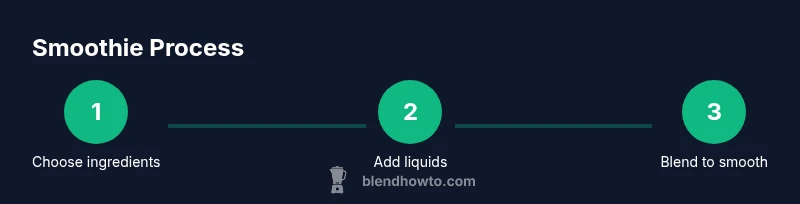
If you’re wondering how do you make a smoothie in a blender, the answer is simple: you combine easy ingredients, blend until smooth, and customize texture. According to BlendHowTo, a reliable smoothie starts with clean preparation, a basic ingredient set, and a blender you trust. From there, the method stays consistent: choose ingredients, measure your liquids, blend until smooth, and adjust for thickness. Smoothies are an excellent way to pack fruit, greens, and protein into a single glass, making hectic mornings easier and meals more approachable. This section explains why smoothies work so well for breakfast, post-workout drinks, or a quick snack, and how to tailor them to your taste and dietary needs. By following-tested steps, you’ll avoid common pitfalls and enjoy consistent results.
Core Ingredients: Fruits, Veggies, and Add-ins
A great smoothie hinges on the quality and compatibility of ingredients. Start with a base fruit you enjoy—strawberries, mango, banana, or blueberries all blend well. For color and nutrition, add a handful of leafy greens like spinach or kale; the sweetness of fruit often masks greens, making it kid- and adult-friendly. You can also sneak in vegetables such as cucumber or carrot for subtle freshness. Protein and fiber boosters—Greek yogurt, milk or plant-based alternatives, chia seeds, flaxseed, or nut butter—improve fullness and texture. Think about your goals: protein for a post-workout shake, greens for vitamins, or oats for lasting energy. Keep boosters balanced so they don’t overpower the fruit flavor. Prep ingredients ahead of time to speed up your morning routine and reduce prep time later in the week.
Liquid Basics: Milk, Juice, Water, and Alternatives
Liquids not only affect flavor but also texture. Cow’s milk, almond milk, oat milk, soy milk, yogurt drinks, coconut water, or simply water can each yield a different mouthfeel. If you want a creamy smoothie, choose dairy or a thick plant-based milk; for lighter, sparkling, or more refreshing blends, water or coconut water can be ideal. A typical ratio starts with about 1 cup of liquid per one to two cups of fruit, but you can adjust to taste. If you’re avoiding dairy, pair fruit with a fortified plant-based milk for extra calcium and protein. Always consider dietary needs and how the liquid interacts with add-ins like protein powders or nut butters.
Texture and Consistency: Thick, Smooth, Creamy
Texture is the hallmark of a well-made smoothie. A thicker texture works well as a meal replacement, while a lighter, drinkable smoothie suits snacks or hydration. A common starting point is 1 cup of liquid for every 1.5 to 2 cups of fruit. For a creamier body, add yogurt or frozen banana; for extra thickness without dairy, try avocado or silken tofu. If your blend ends up too thick, splash in more liquid a little at a time and blend briefly; if too thin, add a few frozen berries or a chunk of banana. A good rule is to blend on high for 30–60 seconds, then check the texture and adjust as needed.
Blender Settings and Techniques
Modern blenders handle a wide range of ingredients, but technique matters as much as power. Start with the liquid and soft ingredients to create a whirlpool, then add frozen fruit and tougher components. Use short bursts (pulses) when breaking up ice or ice-packed fruit to prevent overheating and ensure even texture. For very fibrous greens or tough seeds, you may want to blend longer at a steady speed once everything is in motion. If your blender has variable speeds, begin on low and gradually raise to medium or high as needed. Always ensure the lid is secure before blending and keep hands away from the blades while the machine runs.
Flavor Pairings and Nutrition Boosters
Enhance nutrition and taste with smart pairings. Try berries with banana and spinach for a classic, vibrant smoothie. Add protein with Greek yogurt, cottage cheese, or plant-based powders. Nut butters, chia seeds, flaxseeds, and oats boost fiber and satiety. Spice it up with cinnamon, vanilla, or a pinch of cocoa powder for depth. For nutrition, aim for color variety—purple berries, orange mango, greens, and a protein source—to cover micronutrient bases. If you want extra creaminess, a small amount of avocado or silken tofu blends in smoothly without altering flavor dramatically.
Common Mistakes and How to Fix Them
One of the most common issues is a smoothie that’s either too thick or too thin. Blend in steps rather than all at once, adjust liquid gradually, and use frozen fruit to help maintain body. Another mistake is ignoring the order of ingredients: liquids first, then soft ingredients, and finally frozen goods and boosters; this order helps the blades start smoothly and reduces air pockets. Green smoothies can taste grassy if greens are overdone—balance greens with fruit to maintain flavor. Finally, avoid letting the blender overheat by blending in bursts and taking short breaks if you’re blending something dense like oats or nuts.
Seasonal Variations and Budget-Friendly Ideas
Seasonality matters for price and flavor. In spring and summer, berries, stone fruits, and watermelon offer bright flavors at lower costs when in season. In fall and winter, apples, pears, frozen berries, and citrus become dependable options that keep costs reasonable. To stretch pennies, buy frozen fruit in bulk, choose grocery store brands, and repurpose leftovers such as a half banana or a squeeze of citrus. Green smoothies can be economical by using pocket-friendly greens like spinach and kale, and adding oats or chia seeds as a fiber boost rather than pricier boosters.
Safety, Cleaning, and Maintenance
Always rinse the blender immediately after use to prevent staining and residue buildup. Disassemble the pitcher, seal, and blades and wash with warm, soapy water; avoid submerging the motor base. Inspect seals and gaskets regularly and replace any worn parts to prevent leaks. For stubborn stains, a paste of baking soda and water or a gentle non-abrasive cleaner works well. Dry all parts completely before reassembling. Regular cleaning preserves blade performance and extends the life of your blender.
Batch-Prep Smoothies for Busy Weeks
Preparing smoothie bags in advance can save you minutes on busy mornings. Portion fruit, greens, and boosters into freezer bags; add liquids at blending time or pre-measure to bottles. Label each bag with the date and ingredients. When ready, dump into the blender, add your liquid, and blend. This approach reduces prep time while keeping flavors fresh and convenient for on-the-go nutrition.
Tools & Materials
- Blender with knife-safe pitcher(At least 500 ml capacity; high-speed if possible)
- Measuring cups and spoons(Standard 1 cup (240 ml) and 1 tablespoon measures)
- Cutting board and knife(For quick fruit prep)
- Glass or portable bottle for serving(Preferable with a tight lid for on-the-go)
- Ice or frozen fruit(Use frozen fruit to improve texture and chill)
- Spatula or spoon(For scraping the sides and mixing boosters)
- Storage container(For leftovers or batch-prepped portions)
Steps
Estimated time: 10-15 minutes
- 1
Gather ingredients and tools
Collect your chosen fruits, greens, liquids, boosters, and all equipment. This reduces backtracking and speeds up the blending process. Have measurements ready so you can adjust quickly as you go.
Tip: Lay items within easy reach to streamline the workflow. - 2
Prepare fruits and greens
Wash, peel if needed, and roughly chop larger fruits. Remove stems from leafy greens. Prepping ahead helps the blades move smoothly and ensures a consistent texture.
Tip: Pre-cut ingredients save time and prevent uneven blending. - 3
Add liquids first
Pour your liquid into the blender, then add soft ingredients like yogurt or banana. Laying the liquid down first helps create a whirlpool that pulls other ingredients into the blades.
Tip: Liquids first reduce air pockets and improve blending efficiency. - 4
Add solids and boosters
Add frozen fruit, greens, seeds, and boosters on top of the liquids. This arrangement helps the blades grip and blend evenly without overheating.
Tip: Distribute boasted ingredients to avoid clumps. - 5
Secure lid and start blending on low
Seal the lid tightly and start blending at a low speed to avoid splashes. Increase to medium or high as the mixture begins to combine.
Tip: Use short pulses if your blender struggles to start. - 6
Blend until smooth
Continue blending until you reach a uniform texture with no visible chunks. If needed, stop and scrape the sides halfway through and blend again.
Tip: Pause to check texture; small adjustments matter for consistency. - 7
Adjust thickness
If the blend is too thick, add more liquid a splash at a time. If too thin, add a touch more frozen fruit or yogurt and blend briefly.
Tip: Make incremental adjustments to avoid over-thinning. - 8
Serve or store
Pour into a glass immediately for the best texture and flavor. If storing, transfer to a sealed bottle or jar and refrigerate for up to 24 hours.
Tip: Freshly blended smoothies taste best, but chilling helps with busy mornings. - 9
Clean up promptly
Rinse the blender jar, blade assembly, and lid right after use to prevent staining. Soak if needed, then wash with warm soap and water.
Tip: Dry thoroughly before reassembling to prevent rust or odor buildup.
Frequently Asked Questions
Can I use fresh fruit instead of frozen fruit?
Yes. Fresh fruit works, but you may need to add ice or a bit more liquid to reach a frosty, thick texture. Frozen fruit already provides chill and body.
Yes, you can use fresh fruit; you may just need to add ice or more liquid to reach your desired thickness.
What should I do if my smoothie is too thick?
Add a small amount of liquid at a time and blend, until the texture loosens. If using frozen fruit, thaw slightly or use less of it.
If it's too thick, add liquid slowly and blend until you reach the right consistency.
Is it safe to blend leafy greens?
Yes. Rinse greens thoroughly and add them with fruit to mask any grassy taste. Greens boost vitamins and fiber without significantly changing flavor when balanced with fruit.
Yes—greens blend well with fruit if well balanced.
Can I batch-prep smoothies for the week?
Yes. Portion fruit, greens, and boosters into freezer bags. In the morning, dump into the blender, add liquid, and blend.
Batch prep saves time—just blend with liquid in the morning.
What’s the best protein addition?
Greek yogurt, whey or plant-based protein powder, and cottage cheese are common options that boost protein without overpowering flavor.
Protein can be from yogurt, powder, or curd—adjust to taste.
How long can a smoothie stay in the fridge?
For best flavor and texture, consume within 24 hours of blending. Storing longer can separate liquids and reduce taste.
Best enjoyed within 24 hours in the fridge.
Watch Video
What to Remember
- Start with a solid ingredient base and the right liquid ratio.
- Blend in stages, not all at once, to control texture.
- Use frozen fruit to improve body and chill without extra ice.
- Texture improves with tasting and small adjustments.
- Cleaning promptly extends blender life and keeps flavors fresh.