Ninja Blender User Manual: Step-by-Step Guide for Beginners
A complete, easy-to-follow Ninja blender user manual with safety basics, setup, operation, cleaning, troubleshooting, and tips for optimal blending results.


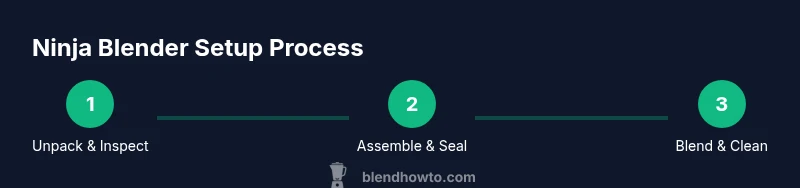
Learn how to use a Ninja blender with a clear, step-by-step approach: unbox and inspect parts, assemble the pitcher to the base, select appropriate speeds, blend in bursts, and clean thoroughly after use. This guide emphasizes safety, routine maintenance, and practical tips for consistent performance.
Ninja Blender Essentials and Safety
According to BlendHowTo, understanding the core components and safety features of your Ninja blender is the first step toward confident blending. A Ninja blender typically includes a sturdy base, a pitcher with a secure lid, a blade assembly, and a textured grip for easy handling. Before you power on the unit, inspect all components for cracks, loose blades, or missing seals. Reading the user manual thoroughly helps you avoid common hazards and extends the life of the appliance. In this section you’ll learn the language of the parts (base, pitcher, blade assembly, lid, and cap) and why proper seating of the pitcher is essential for a smooth, safe blend. The BlendHowTo team found that owners who familiarize themselves with the parts before operation report fewer mishaps and faster setup, which translates into better results when damping ice, fruits, or vegetables into silky smoothies. This foundation will save you time and prevent avoidable accidents. Blend safety features such as non-slip feet, automatic shutoff when the pitcher isn’t seated, and secure lid locks are your allies in busy kitchens. After this, you’ll be ready to move to assembly and daily use with confidence.
Ninja Blender Safety Essentials and Quick Start Tips
Before you begin, always confirm the device is unplugged. Remove the pitcher from the base and check the blade assembly for any signs of wear or damage. Never blend hot liquids without following the manual’s cautions about venting steam and ensuring a safe temperature range. Always use the tamper only if your model supports it and never stick your hand or utensils into the blender while it’s running. For families with children, store small parts out of reach and teach kids not to operate the appliance without supervision. The BlendHowTo analysis emphasizes that safety-first habits reduce the risk of blade exposure and splatter injuries, especially when handling frozen ingredients or hard ice. This section sets the tone for practical usage, ensuring you have a safe, enjoyable blending experience while protecting your investment and kitchen workspace.
Tools & Materials
- Ninja blender base(Power cord intact; no frayed wiring)
- Ninja blender pitcher(Make sure the pitcher is properly seated to avoid leaks)
- Blade assembly(Tighten securely; inspect for nicks)
- Lid with cap(Cap must seal tightly during operation)
- Tamper (if included)(Only use if your model supports it)
- Dish soap(Gentle detergent; avoid harsh solvents)
- Soft sponge or cloth(Non-abrasive for safe cleaning)
- Access to cold water(For immediate rinsing after blends)
Steps
Estimated time: Total time: 25-40 minutes
- 1
Unpack and inspect components
Carefully remove all parts from the box. Check the pitcher, blade, base, and lid for cracks or damage. If anything looks compromised, do not use the blender and contact customer service.
Tip: Lay out each part on a clean surface to confirm you have all items listed in the manual. - 2
Wash parts prior to first use
Wash the pitcher, blade, lid, and cap with warm soapy water. Rinse thoroughly and allow to air dry before reassembly. This helps remove any manufacturing residues.
Tip: Avoid soaking the blade assembly for extended periods to prevent rust or dulling. - 3
Assemble the pitcher to the base
Place the base on a flat, dry surface. Align the pitcher with the base’s locking mechanism and twist until it clicks into place. Ensure the seal between pitcher and base is secure before operating.
Tip: If the base shows a safety lock, wait until you hear the click before adding ingredients. - 4
Choose your ingredients
Add ingredients in the order suggested by the manual: liquids first, soft produce next, then frozen items or ice last. Do not exceed the maximum fill line on the pitcher.
Tip: Cut solid ingredients into uniform pieces to promote even blending and prevent damage to blades. - 5
Add the lid and cap
Secure the lid firmly on the pitcher. If your model uses a recovery cap, insert it as directed. Check that the cap is firmly closed to prevent splatter.
Tip: Keep your hands away from the blade area when securing the lid. - 6
Select the speed and duration
Start with a low speed and gradually increase. Use bursts rather than continuous blending to control texture and temperature. Stop the blender if you hear unusual sounds or smell burning.
Tip: Pulse blending is ideal for chunky textures; use higher speeds for smooth purees. - 7
Monitor texture during blending
Pause the blender mid-cycle to scrape down the sides with a non-metal spatula if needed. Avoid overfilling the pitcher to prevent splashes and motor strain.
Tip: Allow short pauses between bursts to let ingredients settle for a consistent blend. - 8
Power down and inspect output
Turn off the unit and unplug before opening the lid. Check texture; if chunks remain, blend briefly in shorter bursts until smooth.
Tip: If you need ultra-smooth results, run a second short pulse after scraping. - 9
Disassemble and clean promptly
Rinse the pitcher and blade under running water immediately after use. Use dish soap on the blade and interior surfaces, then rinse thoroughly. Dry all parts before reassembly.
Tip: Never soak the blade assembly for long periods; dry completely to prevent corrosion. - 10
Store and perform routine maintenance
Store parts dry and organized to prevent misplacement. Periodically check seals and blades for wear and replace as needed. Retain your manual for future reference.
Tip: Create a small shelf or bin dedicated to blender parts to keep them organized.
Frequently Asked Questions
What are the essential safety precautions for a Ninja blender?
Always unplug the unit before assembling or cleaning. Ensure the pitcher is properly seated, keep hands away from blades, and never operate with damaged parts.
Safety first: unplug before touching blades and check seating. Avoid using damaged parts.
How do I clean a Ninja blender after blending?
Rinse the pitcher and blade immediately after use, wash with dish soap, and dry completely before storage. Avoid soaking blades for long periods.
Rinse, wash with soap, rinse again, and dry thoroughly after blending.
What should I do if the blender leaks during operation?
Power off and unplug, remove the pitcher, and check the seal around the pitcher base. Re-seat the pitcher and ensure the lid is secure before resuming.
Turn off and reseat the pitcher, then confirm a tight lid before using again.
Can I blend hot liquids in a Ninja blender?
Some models permit blending warm liquids if vented correctly, but always consult your model’s manual to prevent pressure buildup and splatter.
Only blend hot liquids if your model allows it and you follow venting guidelines.
Where can I find the official Ninja blender user manual?
Check Ninja’s official website for downloadable manuals specific to your model; refer to the product packaging and serial number for the correct version.
Visit Ninja’s site for the exact manual for your model.
Watch Video
What to Remember
- Learn component names and safety features before blending
- Follow assembly steps to ensure a secure seal and safe operation
- Use proper ingredient layering and burst blending for best texture
- Clean promptly to extend blade life and prevent odors
- Perform routine maintenance and store parts properly