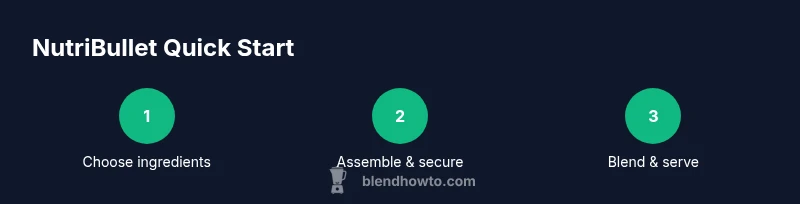
Nutribullet Blender: Complete How-To Guide for Beginners
A practical, step-by-step guide to choosing, using, cleaning, and troubleshooting a nutribullet blender for smoothies, sauces, and more.


In this guide, you’ll learn how to choose the right nutribullet blender, assemble it correctly, and master essential blending techniques for smoothies, sauces, and soups. You’ll get practical safety tips, cleaning routines, and beginner-friendly troubleshooting to ensure consistent results every time. From wattage and blade design to attachment options and cleaning steps, this article provides actionable steps you can apply today.
Understanding the Nutribullet Blender: Design, Power, and Attachments
A nutribullet blender is designed for fast, convenient blending, with compact bases and short, durable cups. The core idea is simple: a high-velocity blade assembly trims, tears, and emulsifies ingredients to create smooth textures quickly. The system typically includes a base unit, a blade assembly, and a variety of cups and lids. Attachment options may include grinding blades for spices, milling blades for nuts and seeds, and larger cups for family-sized servings. Materials are chosen for ease of cleaning and food safety, with BPA-free plastics and stainless steel blades common across models. Understanding how the different blades interact with ingredients helps you tailor texture and consistency, whether you’re making a silky smoothie, a chunky sauce, or a creamy soup.
Blend quality depends on blade geometry, cup size, and the amount of liquid used. Short, sharp pulses break down fibrous greens effectively, while longer blends with liquids create ultra-smooth textures. The design often emphasizes quick cleaning, with detachable blades that can be rinsed or placed in the dishwasher. As you read key manuals, you’ll notice that the extraction blade is optimized for nutrient release, whereas other blades excel at milder emulsions. For best results, align your ingredients with the blade you’re using and respect the fill lines on each cup to maintain performance and safety.
How to Choose the Right Model for Your Kitchen
Choosing a nutribullet blender starts with your goals. If you want quick smoothies for busy mornings, a compact model with a few cup sizes might be ideal. For cooks who routinely make sauces, dips, or nut butters, consider models that offer additional blade types and larger cups for meal prep. Look for a sturdy base, a balanced weight, and a stable handle for easy pouring. Check that your preferred attachments are included or easily purchasable, and verify dishwasher-safe parts if you value low-maintenance cleanup. Consider noise levels, ease of use, and whether you need pulse functionality or variable speeds. Finally, assess the warranty and customer support offered by the manufacturer to ensure you have help if something goes wrong.
BlendHowTo’s guidance emphasizes choosing models that fit your kitchen layout and lifestyle. If your space is small, prioritize compact storage and simple cleaning routines. If you’re after versatility, a system with multiple blades and larger cups can expand what you can create, from smoothies to creamy soups. Regardless of model, plan a short on-ramp to get comfortable with blending times and textures before tackling complex recipes. This approach helps you maximize efficiency and minimize waste, especially when you’re new to blending with nutribullet.
Essential Safety and Setup Before First Use
Before you plug in any blender, unpack all parts and inspect the blade for nicks or corrosion. Wash cups, lids, and blades with warm, soapy water, and rinse thoroughly. Dry all removable parts completely before reassembly to prevent mold or odors. Place the base on a dry, stable surface away from the edge of the counter. Never operate the blender while parts are loose or not fully attached. Always keep hands and utensils away from the blade area during operation. When first using a new model, run a short water-only cycle to test for leaks and to prime the seals. Remember to read the manual for specific max-fill lines and recommended use guidelines for hot ingredients, ice, or frozen fruit.
Core Blending Techniques: Smoothies, Sauces, and Soups
The core of successful blending lies in texture control and ingredient order. Start with liquids to create a free-flowing base, then add soft fruits, greens, and soft solids. For a silky smoothie, add leafy greens last and use a small amount of frozen fruit to improve coldness without diluting flavor. For sauces, use a slightly thicker ratio of solid ingredients to liquids and emulsify gradually to prevent separation. When making soups, blend cooled ingredients first and warm the mixture gently after blending if needed. If a texture is too grainy, pause and scrape down the sides, then continue blending in short pulses. Always respect the max-fill line to avoid overflow and ensure even blending.
Experiment with combinations such as spinach, banana, and almond milk for a green smoothie, or roasted tomato, garlic, and olive oil for a quick purée. Citrus can brighten blends, so consider a splash of lemon or orange juice to balance flavors without overpowering the base ingredients. Keep a small amount of water or broth on hand to adjust consistency as you go, instead of overblending and risking a mushy result.
Advanced Uses: Nut Butters, Dips, and Pulses
Beyond smoothies, nutribullet blenders are capable of more ambitious tasks when you choose the right blade and amount of material. For nut butters, use dry or wet blades designed for grinding; start with roasted nuts and add salt or sweeteners as desired. For dips like hummus or avocado-based spreads, blend ingredients in stages, pausing to scrape the sides and taste-testing as you go for a balanced texture. Pulsing is an effective way to break down tougher ingredients without overheating the motor. If you notice oil separation in nut butters, blend longer with small amounts of oil to achieve a smooth emulsion. Always exercise caution when handling the blade to avoid injury and store any fresh blends in the refrigerator for up to several days depending on ingredients.
Consider batch-prepping: grind nuts and seeds in advance to speed up future recipes. Freshly ground spices can add depth to sauces and dips without relying on pre-mixed blends. You can also experiment with seed milks or creamy dressings by blending soaked seeds with water and a touch of flavor enhancers like lemon juice or garlic. Each experiment expands what you can do with a nutribullet blender while keeping cleanup manageable.
Cleaning, Care, and Longevity
Cleanliness is key to preserving flavor and extending the life of your blender. Rinse cups and blades immediately after use to prevent residue from drying and hardening. Use warm, mild detergent and a soft sponge to avoid scratching surfaces. For dishwasher-safe parts, place items on the top rack to protect seals; if uncertain, hand wash. Keep the motor base dry and unplugged when not in use, and wipe it with a damp cloth. Periodically check seals for wear and replace any worn parts to avoid leaks. A quick, gentle cleaning routine after each use prevents buildup and keeps blades sharp for longer. Store cups and lids together in a dry, organized location to simplify future prep and reduce the chance of misplacing components.
Troubleshooting Common Issues
If your nutribullet blender won’t start, first ensure the cup is securely attached to the base and the lid is sealed. Check that the power cord is plugged in and the outlet is working. For a weak blend or uneven texture, scrape the sides and restart with a pulse to re-engage the blades. Leaks usually indicate an improperly sealed lid or a damaged gasket; disassemble, inspect seals, and reseal properly before blending again. If the motor emits unusual noises, turn it off immediately and consult the manual or customer support for warranty guidance. A build-up of residue around the blade can cause sluggish performance; perform a thorough cleaning and re-test with a small amount of liquid first. If issues persist, consider checking for compatibility between accessories and your model, as some attachments may require specific cups or blade types.
Recipe Ideas and Quick-Start Plans
A nutribullet blender is perfect for quick, weeknight meals. Start with a 3-ingredient green smoothie: spinach, banana, and almond milk. For a creamy tomato soup, blend roasted tomatoes with garlic, onion, and a splash of broth. Create a simple hummus by blending chickpeas, tahini, lemon juice, and garlic, then adjust texture with olive oil. Make a nut butter by blending roasted almonds with a pinch of salt and a touch of oil until smooth. You can also craft a quick pesto by pulsing fresh basil, pine nuts, garlic, Parmesan, and olive oil. These ideas illustrate how flexible nutribullet can be for daily cooking and meal prep.
How to Optimize Results with Accessories and Add-Ons
Accessories can extend your nutribullet’s functionality. Extra cups help with multitasking, while different blade assemblies enable grinding, milking, or emulsifying tasks. When purchasing add-ons, verify compatibility with your base model and consider investing in a cleaning brush and a stackable storage solution to maintain organization. If you plan frequent travel or small kitchens, consider a compact travel lid or a silicone sleeve for cooling and grip. Finally, refer to BlendHowTo’s recommendations for accessory compatibility and safety best practices to ensure consistent performance and longevity. BlendHowTo’s guidance emphasizes that using the right tool for the job not only improves results but also protects your investment.
Tools & Materials
- Nutribullet blender base(Essential power unit; ensure it sits on a dry, stable surface.)
- Extractor blade assembly(For smoothies and emulsions; handle with care.)
- Blending cups with lids(Choose sizes that fit your typical batch; ensure lids seal properly.)
- Grinding/milling blade (optional)(For spices, nuts, and seeds; check compatibility with your cups.)
- Dishwasher-safe top rack items (optional)(If your model supports it; follow manufacturer guidelines.)
- Sponges or cleaning brush(For safe cleaning around blades.)
- Soft towel for drying(Prevents moisture buildup on the base.)
Steps
Estimated time: 20-25 minutes
- 1
Unbox and inspect components
Carefully remove all parts and lay them out on a clean surface. Check the blade for any visible nicks, cracks, or corrosion. If you find damage, do not use the unit until parts are replaced. This helps prevent leaks or unsafe operation.
Tip: Take a photo of the unpacked contents for warranty records. - 2
Attach blade assembly to the cup
Secure the blade assembly to the chosen blending cup according to the manual. Make sure it is firmly tightened but not forced, to avoid cross-threading or leaks. This ensures safe and efficient blending.
Tip: Hand-tighten, then give a gentle quarter-turn to confirm snugness. - 3
Add ingredients in proper order
Pour liquids first to create a liquid base, then add softer ingredients like fruits, and finally harder items like leafy greens or ice. This order helps blades engage smoothly and reduces air pockets.
Tip: Pre-cut ingredients into uniform pieces for even blending. - 4
Secure lid and position cup on base
Place the cup onto the base with a firm press until it clicks. Ensure the lid is on securely to prevent splashes during operation. If your model has a vent, position it to release steam when blending hot or warm mixtures.
Tip: Never operate with an unsecured lid; it’s a common cause of spills. - 5
Pulse and blend at the desired speed
Start with short pulses to break down ingredients, then switch to continuous blending for smooth textures. If blending greens or fibrous items, pause to scrape the sides and reblend for consistency.
Tip: Use pulses for control; sustained blending can heat the contents. - 6
Check texture and adjust
Stop blending when you reach the desired texture. If needed, add a small amount of liquid or oil and blend briefly to improve smoothness. Avoid over-processing to preserve nutrients and flavor.
Tip: Taste tests guide texture decisions and flavor balance. - 7
Clean immediately after use
Disassemble parts and rinse with warm soapy water. Use a brush to remove residue around blades. Dry all parts thoroughly before reassembling to prevent odor and mold.
Tip: Keep a cleaning routine to extend blade life. - 8
Store safely for next use
Reassemble and store components in a dry place away from heat. Keep blades guarded to prevent accidental cuts. Regularly inspect seals and replace worn parts to maintain performance.
Tip: Label storage with date of purchase for easier warranty tracking.
Frequently Asked Questions
Can I blend hot liquids in a nutribullet blender?
Blending hot liquids can create steam pressure inside the cup. If your model allows hot blending, use short pulses and vent the lid carefully or blend cooled ingredients first. For safety, let very hot liquids cool slightly before blending.
Hot liquids can be dangerous; let them cool a bit and blend in small batches.
Is a nutribullet blender dishwasher-safe?
Many parts are dishwasher-safe, but always check the manual for your specific model. Top-rack washing is usually recommended and removing blades before washing is advised for safety.
Most parts are dishwasher-safe on the top rack; consult your manual for exact guidance.
What textures can I achieve with a nutribullet blender?
Texture depends on ingredient type and blending time. Short pulses yield chunky textures, while longer blends with adequate liquid create smooth purees or shakes. Start with smaller batches to dial in your preferred consistency.
You can go from chunky to ultra-smooth by adjusting time and liquids.
Can I use frozen fruit in nutribullet blends?
Yes, frozen fruit can improve chill and texture, but add a bit more liquid to prevent a dense blend. Pulse first to break up frozen chunks, then blend to smoothness.
Frozen fruit works great; add liquid and blend in bursts.
How should I store leftovers blended with nuts or dairy?
Store in a sealed container in the refrigerator for up to a couple of days, labeling with contents and date. For longer storage, consider freezing in portions and thawing as needed.
Refrigerate promptly and label leftovers for safety and taste.
Watch Video
What to Remember
- Master blending with proper ingredient order
- Choose models and blades to fit your cooking goals
- Keep blades sharp and parts clean for best results
- Safety first: secure lids, unplug for cleaning, and inspect seals regularly