Oatmeal Blender Pancakes: Quick, Healthy Breakfast
Learn to make fluffy oatmeal blender pancakes in minutes with a flour-free batter, simple mix-ins, and pro tips for perfect texture every morning.


Learn to make fluffy oatmeal blender pancakes in minutes with a flour-free batter built from oats and a few pantry staples. This method blends oats into a soft flour, then whiskes in eggs, milk (or dairy-free), and a pinch of baking powder for lift. No special equipment is needed—just a blender and a skillet.
Why oatmeal blender pancakes are a smart choice
Oatmeal blender pancakes are a practical entry point for healthier breakfasts. They rely on oats as the base, which provides fiber, slower sugars, and a hearty texture that sustains energy through the morning. Blending oats into flour creates a smoother batter without the need for refined white flour. Because the batter is simple, you can customize flavors with spices, fruits, or nuts, making every morning feel fresh.
This approach also reduces mess and cleanup. You can mix the ingredients in one blender container, reducing dishes. The batter comes together quickly, especially if you plan ahead. Oat-based pancakes are naturally pleasing for many dietary goals: gluten sensitivity is addressed when using certified gluten-free oats, and you can easily adapt them to vegan or dairy-free diets.
Texture and thickness are easier to control than traditional pancake batters. By adjusting the ratio of oats to liquid, you can create light, fluffy pancakes or dense, hearty ones. For busy mornings, a blended batter stores well for a short period in the fridge, so you can mix ahead. Overall, oatmeal blender pancakes offer reliability, flexibility, and a comforting familiar taste.
Ingredients and substitutions
Standard batter rests on a few pantry essentials. You'll start with rolled oats, which you blend into a fine flour-like texture. Add eggs (or flax eggs for vegan), milk (dairy or plant-based), baking powder for lift, a pinch of salt, and a splash of vanilla if you like. Optional add-ins include mashed banana or applesauce for moisture, cinnamon for warmth, and a small amount of sweetener such as maple syrup.
For gluten-free needs, ensure the oats are certified gluten-free and use gluten-free baking powder. If you’re avoiding eggs, substitute two flax eggs or a commercial egg replacer per batch. Dairy-free diets work well with almond, soy, or oat milk. If you want extra protein, blend in a spoonful of yogurt or a scoop of protein powder, keeping in mind it may alter texture. Finally, you can customize the batter with add-ins after blending: blueberries, chopped walnuts, or chocolate chips—but fold them in gently to avoid overworking the batter.
Equipment and blender setup
A standard blender with a tall jar works best for this batter. You’ll want a blender that can handle dry and wet ingredients without scorching the blades. A measuring cup, spoon, and a whisk or fork help with precise ratios. Use a nonstick skillet or griddle preheated to medium heat. A spatula, plate, and cooling rack finish the setup. If your blender has adjustable speeds, start on low to break down oats, then increase to high for a smooth batter.
The batter: texture, consistency, and how to adjust
The nice thing about oat-based batter is you can adjust thickness by varying liquid. A thick batter will yield pockets and heartier pancakes, while a thinner batter will spread more and create delicate edges. A good starting ratio is 1 cup blended oats to 1/2-3/4 cup liquid plus 1 egg; adjust as needed. If the batter is too thick after blending, add a spoonful of milk a little at a time. If too thin, add a tablespoon of oat flour (blended oats) to thicken.
Flavor boosters and mix-ins
Enhance oatmeal blender pancakes with fruit, nuts, and spices. Try blueberries, sliced bananas, chopped nuts, or chocolate chips. Classic additions include cinnamon, nutmeg, or cardamom. For protein-rich batter, swirl in yogurt or peanut butter. A drizzle of maple syrup, honey, or fruit compote complements the mild oat flavor. If you blend banana into the batter, you’ll notice extra moisture and sweetness.
Common mistakes and how to fix them
- Batter too thick: thin with a small amount of milk; add a bit of flour if necessary.
- Pancakes sticking: ensure pan is well oiled and skillet is hot before cooking.
- Over-blending oats: blend enough to break oats into flour but avoid turning batter too gritty.
- Too dense: adjust liquid, rest the batter briefly to hydrate oats.
- Burnt edges: cook on medium heat and flip sooner.
Storage, reheating, and meal prep
Store leftover pancakes in an airtight container in the fridge for up to 3 days; freeze for longer storage. Reheat in a skillet on low heat, or in a toaster oven to restore crisp edges. To meal prep, portion out batter into a sealed container; cook fresh pancakes in the morning and keep toppings separate.
Quick comparison with other bases
Compared to flour-based pancakes, oatmeal blender pancakes deliver more fiber and a lower glycemic response, with a distinct oats flavor. Banana-based blends reduce need for added sugar but can alter texture. Using almond milk or dairy-free options maintains dairy-free status while trading some richness.
Dietary adaptations and tips
To keep pancakes vegan, use flax eggs and plant milk. For gluten-free, use certified oats and gluten-free baking powder. For higher protein, add Greek yogurt or a protein powder; keep in mind texture shifts. For kid-friendly flavors, add a touch of vanilla and cinnamon, then serve with berries.
Tools & Materials
- Rolled oats (certified gluten-free if needed)(Whole oats, not instant.)
- Eggs or flax eggs (vegan option)(2 eggs or 2 flax eggs per batch.)
- Milk or dairy-free milk(Use as needed to reach desired batter consistency.)
- Baking powder(1 teaspoon per batch as a starting point.)
- Salt(A pinch to balance sweetness.)
- Vanilla extract(Optional for aroma.)
- Cinnamon or other spices(Optional warmth.)
- Maple syrup or honey(For serving.)
- Nonstick skillet or griddle(Preheat to medium heat.)
- Spatula(For flipping and serving.)
- Blender with pitcher(Blends oats into flour-like texture.)
- Measuring cups and spoons(To keep ratios accurate.)
- Mixing bowl or jar(For whisking batter if not blending all at once.)
Steps
Estimated time: 25-30 minutes
- 1
Gather ingredients and measures
Collect all ingredients: oats, eggs, milk, baking powder, salt, vanilla, and any add-ins. Measure precisely so the batter stays balanced. This upfront step speeds up the blending phase and helps maintain consistent results.
Tip: Pre-measure everything and set near the blender to streamline the process. - 2
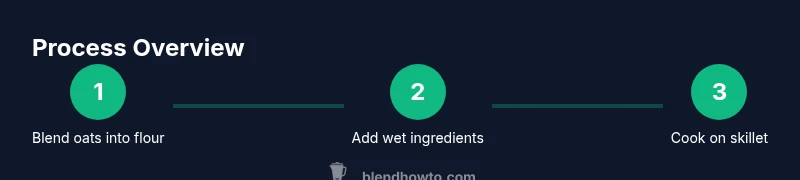
Blend oats into flour
Add rolled oats to the blender and blend on high until they resemble a fine flour. This creates a smooth batter base and eliminates the need for separate flour.
Tip: Pulse briefly if you notice clumps; aim for a fine, powdery texture. - 3
Add wet ingredients and mix-ins
Pour in eggs, milk, and vanilla. Blend on medium until the batter is uniform and no large oat bits remain. If using banana or yogurt, add now for moisture and flavor.
Tip: If batter looks very thick, stir in a splash more milk by the spoonful. - 4
Rest the batter briefly
Let the batter rest for 5 minutes. Hydration allows the oats to fully absorb liquid, improving the final texture and preventing dense pancakes.
Tip: Resting also helps reduce air bubbles that can cause uneven cooking. - 5
Preheat the pan and grease lightly
Heat a nonstick skillet over medium heat and brush with a light coat of oil or spray. A properly preheated pan prevents sticking and ensures even browning.
Tip: Test with a small drop of batter; it should sizzle gently and set quickly. - 6
Cook pancakes and serve
Pour batter in rounds and cook until bubbles form on top and edges look set, then flip and cook until golden. Serve hot with toppings of choice.
Tip: Avoid over-flipping; wait until edges release easily before turning.
Frequently Asked Questions
Can I make these pancakes gluten-free?
Yes. Use certified gluten-free oats and gluten-free baking powder to keep the batter safe for gluten sensitivities.
Yes. Use certified gluten-free oats and gluten-free baking powder.
Can I use rolled oats instead of quick oats?
Rolled oats work fine; blend longer or use slightly more liquid. You’ll still get a soft, pancake-friendly batter.
Rolled oats work fine; blend longer or add a bit more liquid.
How do I get fluffier pancakes?
Use fresh baking powder and avoid over-mixing the batter. A brief rest helps hydration, which lightens texture.
Fresh baking powder and a short rest help fluffiness.
Can I freeze the batter?
Batter can be stored in the fridge for a day or two; freezing is not recommended as it can affect texture.
Batter can be refrigerated briefly; freezing can affect texture.
What substitutions work best?
Banana or applesauce adds moisture; flax eggs replace eggs in vegan versions. Adjust liquid accordingly.
Banana or applesauce adds moisture; flax eggs replace eggs.
How many pancakes does this make?
Typical yield is 6-8 pancakes, depending on size. Adjust batter amount for larger or smaller servings.
Usually six to eight pancakes depending on size.
Watch Video
What to Remember
- Blend oats to flour for a smooth batter.
- Control texture with liquid ratios and rest time.
- Customize with mix-ins and toppings.
- Cook on medium heat for even browning.