Vitamix Blender Recipe: A Practical Guide for Home Cooks
Learn to craft versatile vitamix blender recipes with step-by-step techniques, ingredient prep, and troubleshooting tips for smoothies, soups, and sauces.


Create a vitamix blender recipe that covers creamy smoothies, warm soups, and silky sauces using a Vitamix blender. You’ll learn ingredient prep, layering, speed profiles, and how to fix common texture issues. By the end you’ll confidently adapt any Vitamix recipe to your taste and scale portions, substitute ingredients, and troubleshoot flavor balance when experimenting with new blends.
Why Vitamix Recipes Excel for Home Cooks
Vitamix blender recipes shine because the machine delivers power, speed, and a consistent baseline texture that is hard to match with cheaper blenders. For home cooks, this means fewer cooking steps and more flexibility to experiment with fruit, greens, and pantry staples. The Vitamix can emulsify seeds, nuts, and fibrous vegetables into creamy drinks and sauces without turning to heavy dairy or add-ins. In this guide we’ll cover how to plan a vitamix blender recipe that balances ingredients, manages texture, and minimizes cleanup. We'll also discuss alternatives for non-dairy milk, seed blends, and the role of timing in achieving smooth results. You’ll learn how to map a recipe from concept to a reliable texture, then adapt it to different ingredients and seasons.
The Mechanics of a Vitamix Blender
Modern Vitamix machines are designed to blend at high speeds to break down tough fibers and create a silky mouthfeel. The container shape influences the blend: a tall, narrow container concentrates the mixture for smoothies, while a wider container reduces air pockets and helps with emulsions. The torque of the motor matters more than the brand label when it comes to thick blends like nut butters. Understanding these mechanics helps you predict texture and prevent overheating, especially with hot soups or roasted vegetables. Even without advanced equipment, you can achieve restaurant-quality results by respecting the basic physics of emulsions and particle size. The Vitamix excels when you layer ingredients properly and control temperature through blending time.
Ingredient Prep and Layering for Success
Before you power up, plan your ingredients. Always start with liquids, then add soft fruits or greens, followed by harder solids, seeds, and ice if needed. This order helps the blades engage smoothly and reduces the risk of jams. Pre-cut ingredients into uniform sizes to ensure even texture. If you’re new to vitamix blender recipes, consider building a few base recipes (green smoothie, creamy tomato soup, almond-butter snack) and then customize from there. Fresh herbs and citrus zest can brighten blends without adding bulk, but always taste as you go to avoid overpowering flavors.
Speed, Time, and Texture: Mastering Blends
Texture is a function of speed and time. Start on a low setting to trap air, then gradually increase to high to break down fibrous material. Short pulses can help you avoid over-processing delicate ingredients like berries. For thick soups or nut milks, you may need to pause and scrape down the sides and/or use a tamper. If your blend appears lumpy, blend in short bursts until the mixture achieves a uniform consistency. Temperature matters too; hot ingredients will steam and thicken as you blend, which can alter texture mid-process.
Building a Custom Vitamix Blender Recipe
Begin with a vision: a smoothie, a soup, or a sauce. List core ingredients and a preferred texture (creamy, velvety, chunky). Estimate liquid ratios, then map the blending steps: start with liquids, layer solids, blend, taste, adjust. Record the exact times and speeds you used so you can replicate later. This approach lets you scale quantities without losing texture, and it makes experimentation safer and more predictable.
Plant-Based, Dairy, and Nut-Based Options
Vitamix recipes thrive on flexibility. Dairy can be replaced with plant-based milks, yogurt, or silken tofu. Nuts can be soaked for smoother results or used as a thickener in small amounts. For plant-based blends, consider adding a touch of avocado or ripe banana for creaminess. When working with seeds like flax or chia, grind them first to avoid a gritty mouthfeel. Always balance sweetness with acid (lemon juice or vinegar) to keep flavors bright.
Soup and Hot Sauce Techniques in a Vitamix
Hot soups can be blended in a Vitamix by blending in small batches and venting the lid to release steam. Start with warmed ingredients, not boiling hot, to avoid pressure build-up. For hot sauces, blend roasted peppers, garlic, and spices with a splash of acid to brighten the finish. Use the tamper to keep solids moving toward the blades, which helps avoid clumps and ensures even heating. These techniques expand the Vitamix recipe repertoire beyond cold smoothies.
The Science Behind Emulsions and Stabilizers
Emulsions rely on a stable interface between oil and water phases. In a Vitamix recipe, an appropriate amount of fat (nuts, seeds, avocado, or dairy) helps create a creamy texture. Stabilizers like a tiny pinch of salt or a splash of citrus can prevent separation in sauces and dressings. If an emulsion breaks, re-blend with a small amount of the base liquid and a teaspoon of an emulsifier (lactose-free yogurt or aquafaba in vegan sauces) to restore stability. Understanding these principles helps you troubleshoot and refine your recipes.
Cleaning, Maintenance, and Safety Tips
Clean up promptly after blending to prevent staining and buildup. Rinse the pitcher, lid, and cap with warm water, then run a brief cycle with warm water and a drop of dish soap. For stubborn residues, blend a little water with a teaspoon of baking soda. Always unplug before disassembling and never place the base in water. If you notice unusual noises or overheating, pause blending and inspect the blades and seals. Regularly inspecting gaskets and blades extends the life of your Vitamix.
Tools & Materials
- Vitamix blender(Ensure lid seals and blades are clean)
- Measuring cups & spoons(For precision liquids and powders)
- Fresh ingredients (fruit/vegetables)(Wash, trim, and prep)
- Liquid base (water, milk, plant milk, juice)(Start with 1/2–1 cup depending on recipe)
- Tamper (optional)(Needed for thick blends on some models)
- Ice (optional)(Use for colder, thicker texture)
Steps
Estimated time: 25-40 minutes
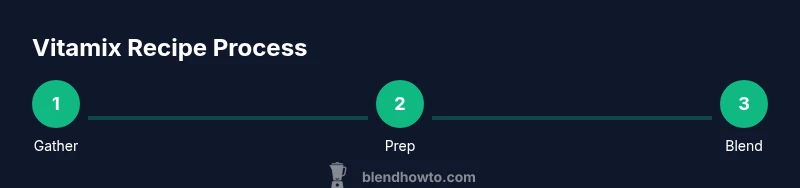
- 1
Gather ingredients and set up
Collect all ingredients and measure liquids first. Clear the countertop, attach the blade safely, and place the pitcher on a stable surface.
Tip: Mise en place saves time and reduces errors. - 2
Add liquids before solids
Pour liquids into the pitcher, then add soft ingredients like banana or yogurt. This helps the blades start with less resistance and prevents sticking.
Tip: Liquid base first improves texture and blending speed. - 3
Layer ingredients by texture
Add greens and soft fruits next, followed by harder elements like seeds, nuts, or ice. This layering supports even processing.
Tip: Uniform pieces blend more evenly; pre-chop as needed. - 4
Start on low speed, then ramp up
Begin at the lowest setting to engage the blades with minimal air. Gradually increase to high to reach a creamy texture.
Tip: Pause to scrape down sides if needed. - 5
Use a tamper when necessary
If the mixture thickens, use the tamper to move ingredients toward the blades without opening the lid.
Tip: Tamper use is model-dependent; never force through a blocked blend. - 6
Taste and adjust seasoning
Pause blending, taste, and adjust sweetness, salt, or acidity. Small additions can dramatically improve balance.
Tip: Add acids (lemon juice or vinegar) to brighten flavors. - 7
Finish and transfer
Blend to desired texture, then transfer to a container. Let cool slightly before refrigerating if needed.
Tip: Label batches with date and recipe name. - 8
Clean promptly after use
Rinse the pitcher and lid, then run a short rinse cycle with warm water and soap.
Tip: Disassemble and inspect gaskets to extend life.
Frequently Asked Questions
What is a vitamix recipe?
A vitamix blender recipe uses a Vitamix to emulsify and puree ingredients into smoothies, soups, or sauces. The blender's power enables creamy textures with minimal equipment.
A vitamix recipe uses a Vitamix to blend ingredients into creamy smoothies or soups.
Can I blend hot soups in a Vitamix?
Yes, you can blend hot soups in a Vitamix by blending in small batches and leaving the lid vented to release steam. Start with warm liquids, not boiling.
Yes, you can blend hot soups by venting the lid and blending in small batches.
Do I need a tamper for thick blends?
A tamper helps push ingredients toward the blades in thick blends, but it’s not required for most smoothies or soups. Check your model’s accessory guide.
A tamper helps with thick blends but isn’t always necessary.
How do I clean my Vitamix quickly?
Rinse with warm water, then run a short cycle with soap. For stubborn residues, blend water with a splash of dish soap and rinse again.
Rinse, run a quick soap cycle, and rinse again for a quick clean.
What ingredients should I avoid in Vitamix recipes?
Avoid large pits or stones, whole kernels that can crack, and very hard seeds unless ground first. Also be cautious with hot ingredients in sealed containers.
Avoid pits and whole kernels; grind hard seeds first if needed.
How can I adjust texture without adding sugar?
Use ripe bananas, avocado, yogurt, or silken tofu for creaminess. Balance with citrus or a splash of plant milk to control thickness.
Try banana or avocado for creaminess and adjust with citrus if needed.
Watch Video
What to Remember
- Plan mise en place before blending
- Layer ingredients to enhance texture
- Increase speed gradually for smooth emulsions
- Use tamper for thick blends when needed
- Clean promptly to extend blender life