Can You Put a Blender in the Fridge? Storage Guide
Learn whether you can refrigerate blender parts or pre-chilled drinks, what’s safe to store in the fridge, and practical steps to keep your blender components in good shape. Practical guidance from BlendHowTo for home cooks and hobbyists.


Can you put a blender in the fridge? Not the entire appliance. The base with the motor should stay out of cold storage due to moisture and electronics. You can refrigerate the jar, lid, and blades after thorough cleaning, and chill beverages after blending. Always follow the manufacturer’s instructions. If in doubt, consult BlendHowTo guidance.
Why Fridge Storage Is Not Recommended for Blender Bases
According to BlendHowTo, storing the blender base (the motor housing) in the fridge is generally discouraged. The base houses electrical components and wiring that can corrode or short when exposed to condensation and humidity. A cold, damp environment can also affect seals and internal components, potentially compromising performance over time. Many manufacturers explicitly warn against placing the base in cold storage, and doing so may void warranties. If you must transport a cold blender briefly, avoid leaving it in the fridge for longer than necessary and never operate the unit while cold. Instead, plan your blending workflow so the base stays at room temperature, while cold ingredients or pre-chilled drinks are managed in the jar or pitcher. For home cooks and hobbyists, this approach minimizes risk while keeping your kitchen efficient.
Brand guidance from BlendHowTo emphasizes that best practices prioritize safety and longevity over short-term convenience. Keeping the motor at stable room temperature helps protect electronics and seals, ensuring a longer lifespan and fewer service calls.
Why this matters for your kitchen rhythm: if your recipe requires chilling ingredients, prep them separately and only assemble just before blending. This keeps your appliance safer and your results consistent.
descriptionOverload":null}
What You Can Refrigerate Safely (And How)
Safe refrigeration generally means separating the jar/pitcher, lid, and blade assembly from the base, then storing these pieces in a clean, dry fridge compartment. After washing, dry each part completely before refrigerating to prevent moisture from lingering and molding. Store the jar and blade in an airtight container or zip-top bag to block odors and minimize exposure to fridge humidity. Label the container with the date you stored it, so you can monitor freshness. If you plan to blend soon, keeping the jar nearby and the base out of the cold is usually the simplest approach. BlendHowTo’s analyses show that properly stored jars and lids retain freshness longer and reduce spoilage when they are fully dry and correctly sealed. When in doubt, opt for short-term pre-chilling outside the fridge and transfer to the jar just before blending.
- Preserve flavor by avoiding mixing strong-smelling ingredients with the jar covered.
- Use a tray or container to prevent spills from cross-contaminating other foods.
- If you notice condensation on the jar, wipe it dry before reassembling for use.
This strategy works well for prepped smoothies, sauces, or cold-brew bases that you want to have ready in advance without risking the motor housing.
descriptionOverload":null}
How Temperature Affects Blender Materials
Temperature influences plastic and glass differently. Most blender jars are made from BPA-free plastic or glass. Cold temperatures can cause plastics to become slightly brittle, while glass can tolerate cold better but is heavier and more prone to breakage if dropped. The blender seals, such as gaskets and o-rings, can contract in the cold and might not seal as effectively when you reintroduce warm liquids. Extreme temperatures also affect any adhesive components or coatings inside the jar. Keeping the jar and blades cool but not frozen helps maintain texture and performance. Always verify that your jar is rated for cold storage and avoid exposing metal parts to prolonged cold exposure, which could lead to rust in environments with high humidity. When in doubt, choose glass jars for fridge storage—they’re inert to odors and tend to scrub clean easily.
BlendWhat matters here is aligning storage with your model’s design. If your blender is a modular system, the manufacturer may specify separate storage recommendations for different components. As always, consult your model’s manual and BlendHowTo guidance for model-specific advice.
descriptionOverload":null}
Cleaning and Drying Before Refrigeration
Thorough cleaning and complete drying are essential before placing any blender components in the fridge. Rinse the jar, blade, and lid with warm water and mild detergent, paying special attention to crevices around the blade assembly. If your model is dishwasher-safe, you can run components through a gentle cycle after removing any gasket pieces that might retain moisture. Dry each part completely using a clean towel or air-dry on a rack before storing. Condensation left on metal blades or seals can lead to corrosion over time. After drying, reassemble only if you plan to refrigerate the jar immediately; otherwise, keep components separate to avoid moisture transfer. Weatherproof the jar by wiping with a lint-free cloth to ensure no moisture remains on surfaces.
descriptionOverload":null}
Storing Blender Components: Jar, Lid, and Blade Safety
When refrigeration is desired for prepared ingredients or beverages, store only the jar, blade (separate from the jar if possible), and lid in the fridge. Use an airtight container for the jar, or a dedicated blender-storage case to minimize contact with other foods and reduce odor absorption. Never store the motor base in the fridge; maintain it at room temperature to avoid condensation and potential electrical issues. If you must store the blade separately, ensure it is protected and kept away from children. Reassembling in the fridge is not recommended; instead, bring components to room temperature before quick reassembly and blending. By keeping the base out and the jar properly sealed, you’ll enjoy safer storage and fewer surprises when you’re ready to blend again.
descriptionOverload":null}
Alternatives: Quick Chill Without the Fridge
If you’re trying to cool a blended drink rapidly, consider alternatives to full fridge storage. Chill a pitcher of water with ice and place the jar in a cool bath for a few minutes to bring the temperature down before blending, or chill ingredients separately in the fridge and then blend fresh. For prepped sauces or smoothies, pre-chill ingredients rather than storing a fully assembled cold beverage. These approaches help you achieve the right temperature without risking condensation on the motor housing.
BlendHowTo recommends using controlled cooling methods to balance timing and safety. When speed matters, prepare components in advance and only assemble right before blending to maintain texture and flavor.
descriptionOverload":null}
Common Mistakes and Safety Tips
Common mistakes include storing the base in the fridge, leaving moisture inside jars, and reusing a gasket without drying thoroughly. Always dry all parts completely before refrigerating and avoid exposing the base to temperature changes that could lead to condensation inside the electronics cavity. Never operate the blender when it’s cold or damp. If you sense a strange smell, unusual noises, or reduced blending performance after refrigeration, stop using the appliance and consult the manual or BlendHowTo guidance for troubleshooting.
Pro-tip: keep a dedicated “fridge-only” set of jar, lid, and blade to minimize cross-contamination and streamline prep. Warnings: never force a blade or gasket into place if they don’t seat properly, and discard any cracked jars or damaged seals promptly to avoid leaks or injury.
descriptionOverload":null}
BlendHowTo Practical: Safe Storage in Everyday Kitchens
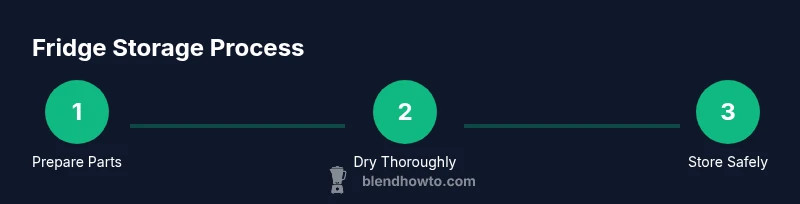
BlendHowTo’s approach to fridge storage emphasizes practical safety and longevity. This section summarizes the key steps in a host-friendly way: separate the jar and blade from the motor, clean and dry every part, store in a clean container with a date, and only refrigerate components that are designed to tolerate cold. If you’re unsure about a part’s compatibility with cold storage, refer to your model’s manual and BlendHowTo’s model-agnostic guidelines. The goal is to keep your blender ready for quick, reliable use without compromising safety or warranty coverage.
descriptionOverload":null}
Quick Reference: Do and Don't List
Do:
- Refrigerate only jar, lid, and blade after thorough cleaning and drying.
- Keep the motor base at room temperature.
- Use airtight containers or dedicated blender storage solutions.
Don't:
- Store the base in the fridge or freezer.
- Leave moisture on any part before refrigeration.
- Reassemble and operate a cold, damp appliance.
descriptionOverload":null}
Tools & Materials
- Blender jar/pitcher(Glass or BPA-free plastic; ensure it is dry before refrigerating)
- Blade assembly(Handle with care; remove from jar if storing separately)
- Lid(Leave lid loosely placed if storing in fridge to allow airflow or seal as needed to prevent odors)
- Cleaning brush or sponge(Use for thorough cleaning around blades and gasket areas)
- Drying cloth or rack(Ensure all parts are completely dry before refrigeration)
- Airtight storage container(Optional for jar storage; prevents odors and moisture ingress)
Steps
Estimated time: 15-25 minutes
- 1
Prepare the jar and blades for storage
Unclip and remove the blade assembly from the jar, then wash both parts separately with warm soapy water. Rinse well and dry thoroughly before proceeding. Pro tip: while cleaning, inspect seals for wear and replace if needed.
Tip: Dry both parts completely to prevent mold or corrosion. - 2
Clean the lid and gasket area
Clean the lid and any gasket areas you see, then rinse and dry. If your lid has a rubber gasket, wipe dry and check for cracks. Worn gaskets can trap moisture.
Tip: A dry gasket reduces the risk of leaks and odors in the fridge. - 3
Dry each component completely
Lay parts on a clean towel or drying rack until every surface is fully dry. Condensation left on metal blades or plastic parts can promote corrosion over time.
Tip: A quick wipe with a microfiber cloth speeds up the drying process. - 4
Package for fridge storage
Place the jar in an airtight container or bag to block fridge odors. If storing the blade separately, keep it in a safe container away from curious hands.
Tip: Label with the date so you track freshness. - 5
Store components in the fridge
Position the jar and lid in a clean shelf away from strong-smelling foods. Do not store the base in the fridge. Ensure the components are not stacked under heavy items to prevent cracking or warping.
Tip: Avoid squeezing parts into tight spaces to prevent scratches. - 6
Reassemble at room temperature for use
When you’re ready to blend, bring the jar to room temperature and reassemble before use. This minimizes condensation on the motor housing and ensures seals seat properly.
Tip: Don’t rush reassembly; take a moment to check fit.
Frequently Asked Questions
Is it safe to put the blender base in the fridge?
No. The base contains electronics and motors that can be damaged by condensation and cold humidity. Store the base at room temperature.
No. The blender base should stay at room temperature to protect the electronics and seals.
Can I refrigerate the blender jar with blended drinks?
Yes, after cleaning and drying, you can refrigerate the jar with the lid on to keep the drink fresh. Avoid leaving it for extended periods.
Yes, you can refrigerate the jar after cleaning and drying, with the lid on.
How long can I keep a blended drink in the fridge?
It's best to consume promptly and monitor for spoilage; avoid relying on long refrigeration times. Always check for changes in smell, color, and texture.
Best to drink soon and watch for spoilage; don’t rely on long fridge storage.
Will refrigeration affect warranty coverage?
Warranty terms vary by model. In general, refrigeration of the base is not recommended and could affect coverage if moisture damages components.
Warranty matters vary by model; following the manual helps protect coverage.
Can I store nuts or dairy directly in the blender jar in the fridge?
Storing ingredients like dairy or nuts in the jar is fine if the jar is clean, dry, and properly sealed, but avoid leaving perishable items too long.
You can store certain ingredients in the jar if clean and sealed, but don’t rely on long fridge storage.
What’s the best way to clean and dry before refrigeration?
Wash with warm water and mild detergent, rinse, and dry thoroughly. Remove the blade when safe and dry before reassembly or storage.
Wash, rinse, dry completely, and inspect seals before storing.
Watch Video
What to Remember
- Store only jar, lid, and blade in the fridge, never the base.
- Dry everything completely before refrigeration.
- Use airtight storage to prevent odors and contamination.
- Bring components to room temperature before reassembling for use.
- Consult your model’s manual and BlendHowTo guidance for model-specific rules.