How to Clean a Blender Bottle: A Practical Guide
Learn proven, practical methods to clean a blender bottle thoroughly, prevent odors, and extend its life with everyday rinses, deep cleans, and smart maintenance.


Learn how to properly clean a clean blender bottle to prevent odors, residue, and bacterial growth. This guide covers daily rinses, deep cleaning techniques, dishwasher compatibility, and care of lids and seals. You’ll also learn quick maintenance scripts and how often to replace worn parts so your bottle stays fresh, safe, and ready for your next smoothie.
The Importance of Cleaning Your Blender Bottle
According to BlendHowTo, maintaining a clean blender bottle isn't just about taste; it's about safety, hygiene, and longevity. A bottle made from BPA-free plastic or stainless steel with properly cleaned lids resists odors and mold and reduces the risk of cross-contamination between ingredients. Regular cleaning also protects seals and threads from wear, reducing leaks and improving performance.
Start with a quick rinse after every use. A thorough dry and an occasional deep clean help keep the bottle looking and smelling fresh. Even if you wash hands and utensils promptly, mineral deposits from hard water can build up on the interior and around the cap threads. By prioritizing cleaning, you extend the bottle’s life, protect flavors, and minimize the effort needed for future cleans.
- Rinse promptly after use to prevent staining and lingering flavors.
- Inspect the cap seal regularly for wear and replace as needed.
- Keep the bottle’s interior dry between cleans to inhibit mold growth.
Daily rinse routine to prevent buildup
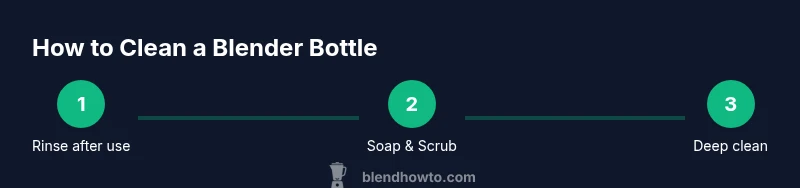
A quick, consistent rinse is the backbone of a clean blender bottle. After each use, rinse the bottle and lid under warm running water for 20-30 seconds. Invert the bottle and shake gently to dislodge any remaining particles. Remove the cap and gasket, if possible, and rinse the seal area thoroughly to prevent hidden buildup.
For most daily cleans, a drop of mild dish soap and a quick brush of the interior with a bottle brush will suffice. Rinse completely to remove all soap residues, then place the pieces on a rack to air-dry with the cap removed. If you’re pressed for time, a rinse followed by a few minutes of air-drying before the next use is better than skipping cleaning altogether.
- Do the quick rinse within 5-10 minutes of finishing your blend when possible.
- Dry with the cap off to ensure complete moisture evaporation.
Deep-clean methods for stubborn residue
When residues build up from fruit pigments or protein powders, a deeper clean is required. Fill the bottle with warm water and add 1-2 teaspoons of mild dish soap; swirl for 20 seconds and use a bottle brush to scrub the interior, lid threads, and mouth surface. For persistent odors, sprinkle baking soda into the bottle and scrub to form a paste; let sit for 5-10 minutes before rinsing.
White vinegar can act as a deodorizer in a pinch: mix one part vinegar to three parts water, shake, rinse thoroughly, and air dry. If your bottle is dishwasher-safe, you can run it on a gentle cycle on the top rack, but always confirm the manufacturer’s guidance first. For color residues from pigments, a baking soda paste applied to stained areas can lift color without scratching. Finish with a thorough rinse and dry completely.
- Avoid letting protein powder sit for long periods before cleaning to reduce residue.
Safe cleaning agents and what to avoid
Stick to mild, non-bleach dish soap and avoid abrasive pads that can scratch the surface. Bleach, ammonia-based cleaners, or solvents can degrade plastics and seals and should be avoided. Don’t expose silicone seals or gaskets to harsh solvents, and never use high-heat sources unless the manufacturer specifically allows it. If you use protein powders or color-rich ingredients, rinse promptly to minimize staining, and consider a weekly deep clean.
If you rely on the dishwasher for convenience, verify that your bottle and its lid are labeled dishwasher-safe and follow top-rack recommendations. Always check for any changes in seal integrity after cleaning, and replace worn components as needed to maintain a tight seal and safe operation.
Cleaning different parts: bottle, cap, and seal
Disassemble the bottle: separate the body from the cap and remove any silicone seal or gasket. Clean the interior body with warm soapy water and a bottle brush, then scrub the cap, lip, and mouth with the same brush or a smaller toothbrush to reach crevices. Pay special attention to threads where residue can accumulate. Rinse each component thoroughly and allow them to dry completely on a clean rack. Reassemble only when completely dry to prevent mold growth.
- For hard-to-reach crevices, use an old toothbrush to dislodge debris.
- Inspect the gasket for cracks or stretching; replace if compromised to avoid leaks.
Dishwasher vs hand-washing: best practices
Many blender bottles are dishwasher-safe, but always check the label and follow manufacturer guidance. Top-rack placement is generally safer for lids and seals, reducing heat exposure and pressure that can warp parts. If you prefer hand-washing, ensure a thorough rinse, a careful scrubbing of all surfaces, and complete air-drying before reassembly. Remember that repeated heat exposure can degrade some plastics and seals over time, so a mixed approach informed by the product’s care instructions often yields the best balance of convenience and longevity.
Special cases: protein shakes, pigments, and color longevity
If you frequently blend protein shakes or pigment-heavy ingredients, expect more stubborn staining and odors. A weekly deep clean using baking soda paste or a vinegar rinse can help prevent buildup. For stubborn pigment stains, a soft, non-scratch scrub with baking soda can lift color without scratching the bottle. After any deep clean, ensure all parts are thoroughly rinsed and completely dry to prevent microbial growth. Regular maintenance also helps preserve the bottle’s appearance and flavor integrity over time.
Quick maintenance schedule and when to replace parts
Create a simple maintenance calendar: quick rinses after every use, a deep clean every 3-5 uses (or weekly), and a full inspection of seals and gaskets monthly. Look for cracks, warping, persistent odors, or degraded threads, and replace components promptly to prevent leaks and contamination. A well-maintained blender bottle stays fresher, longer, and easier to use for future blends.
Tools & Materials
- Dish soap (mild)(Any neutral liquid soap works)
- Bottle brush(Soft-bristled with curved head)
- Warm water(Not boiling; comfortable to touch)
- Baking soda(For deodorizing paste)
- White vinegar(Optional deodorizing rinse)
- Old toothbrush or small brush(For hard-to-reach areas)
- Dishwasher (optional)(Check label for dishwasher-safe parts)
- Drying rack or clean towel(Air-dry completely)
Steps
Estimated time: 12-20 minutes per cleaning session; deeper clean as needed
- 1
Rinse immediately after use
Rinse the bottle and lid under warm running water for 20-30 seconds to loosen particles. Invert to drain and inspect for any visible residue. This quick step prevents staining and makes the next steps faster.
Tip: Do this within minutes of finishing your blend to minimize odor development. - 2
Add soap and warm water
Fill halfway with warm water and a few drops of mild dish soap. Shake or swirl for 10-15 seconds, then use the bottle brush to scrub the interior, cap, and mouth.
Tip: Be sure to scrub the threads and any gaskets where bacteria can hide. - 3
Scrub interior and cap thoroughly
Use the bottle brush to reach corners, threads, and the cap’s hinge. Rinse again to remove all soap. For stubborn areas, let the soapy water sit for a minute before scrubbing.
Tip: Take apart the cap and gasket if possible for full access. - 4
Deep-clean for odors or stains
If odor or pigment lingers, paste baking soda with a little water and scrub the stained areas. Let sit 5-10 minutes, rinse, and inspect for any remaining residue.
Tip: Avoid using bleach on plastics and seals. - 5
Rinse, dry, and reassemble
Rinse all parts one final time, then dry completely on a rack with the cap off. Reassemble only when dry to prevent mold growth.
Tip: Ensure the gasket is fully dry before placing it back. - 6
Maintenance and replacement reminders
Schedule monthly inspections of seals and threads. Replace worn seals or cracked parts promptly to maintain a secure seal and avoid leaks.
Tip: Keep replacement seals on hand and label them by date.
Frequently Asked Questions
Can I put my blender bottle in the dishwasher?
Many blender bottles are dishwasher-safe, especially on the top rack. Always check the manufacturer’s label for care instructions before using the dishwasher.
Many blender bottles are dishwasher-safe on the top rack, but always check the label first.
What should I do if there is mold or strong odor?
Disassemble the components and perform a deep clean with baking soda paste or a vinegar rinse. Ensure all parts are thoroughly rinsed and completely dry before reassembling.
Disassemble and deep clean with baking soda or vinegar, then rinse and dry completely.
Are metal blender bottles easier to clean than plastic?
Stainless steel bottles can be easier to clean and are often dishwasher-safe, but always ensure the seals and gaskets are compatible with heat and cleaning methods.
Stainless steel bottles can be easy to clean, but check seals before cleaning methods.
How often should I replace the bottle seal?
Replace the seal if it becomes cracked, warped, or retains odors after cleaning. A degraded seal can cause leaks and contamination.
Replace the seal if cracked or smells persist after cleaning.
Is it okay to use bleach to whiten or disinfect?
Bleach is not recommended for consumer blender bottles. It can degrade plastics and seals and may leave unwanted residues.
Bleach isn’t recommended because it can damage parts and leave residues.
Watch Video
What to Remember
- Inspect seals and gaskets regularly for wear.
- Rinse after each use to prevent odors and residue.
- Choose mild cleaners and avoid harsh chemicals.
- Deep-clean weekly or with staining-prone ingredients to extend bottle life.