How to Clean a Blender with Baking Soda
Discover a safe, effective way to clean your blender with baking soda. Step-by-step prep, odor elimination, and maintenance tips for a pristine kitchen appliance.


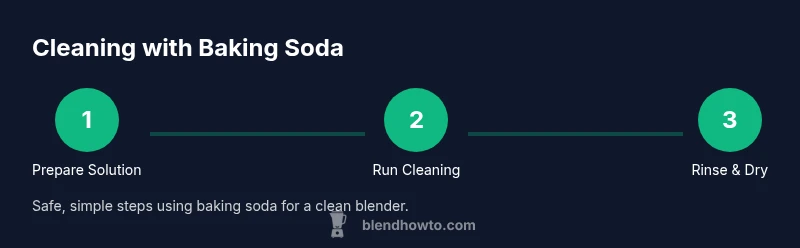
You can safely clean a blender with baking soda by making a gentle cleaning solution and running it briefly, then soaking and rinsing. Start by adding two tablespoons baking soda to warm water with a drop of dish soap, blend for twenty to thirty seconds, then rinse and scrub as needed.
Why baking soda is a safe cleaning agent for blenders
According to BlendHowTo, baking soda is a gentle, mildly abrasive cleaner that helps lift grease and mineral buildup without harsh chemicals. It's effective for deodorizing and brightening stainless steel blades and glass or BPA-free plastic jars. When used with warm water and a small amount of dish soap, baking soda forms a soft cleaning slurry that won't scratch most blender interiors. For home cooks and hobbyists, this simple routine reduces lingering odors—like garlic or citrus—and keeps your blender looking and tasting fresh. Always test on a small area if you’re unsure about plastic lids or coated components, and avoid abrasive scrubbers that could scratch. This approach aligns with general kitchen-science principles: carbonate cleaning agents lift oils and residues while the water temperature helps with dissolution. The BlendHowTo team emphasizes safety: unplug the blender before any cleaning action, and never submerge the base or motor.
Before you start: identify blender material and clean-up plan
Not all blender jars are the same. Some plastics resist heat differently, while glass jars tolerate hotter rinse water. Before you begin, consult your user manual to confirm whether the jar, lid, and gasket are dishwasher-safe, and whether blade removal is recommended. If blade removal is permitted, you may take the blade assembly apart for a thorough clean; if not, work around the blade with careful manual scrubbing. Inspect the seal around the lid; baking soda solutions can accumulate around threads, so wipe the threads with a damp cloth. Have a soft brush handy for crevices around the blade assembly. For metal blades and stainless steel jars, baking soda is typically safe, but you should avoid prolonged soaking that could affect certain coatings.
Step-by-step method: basic clean using baking soda
In this section we outline a practical approach to cleaning with baking soda that yields reliable results without tools beyond common kitchen basics. The goal is to remove oils, residues from fruits and dairy, and odors while preserving the integrity of the jar and gasket. Start with a clean workspace and all parts dry. Prepare a mild cleaning solution by mixing warm water, two tablespoons baking soda, and a drop of dish soap in the blender jar. Scoop out any loose debris, then fill to halfway with the solution. Secure the lid and blend on low for 15-20 seconds to distribute the slurry. Rinse the jar with warm water, then inspect for remaining residues; repeat if needed. Dry the interior with a microfiber cloth to prevent streaks and mold. If your model allows it, remove the blade assembly for a more thorough scrub and reassemble afterward.
Tackling stubborn residue and odors
Some blends leave stubborn stains or strong odors, especially coffee, cocoa, or garlic. For these, a paste of baking soda and a little water applied to the affected area can work wonders. Let the paste sit for 5-10 minutes before scrubbing with a non-abrasive sponge. For persistent odors, create a diluted solution with baking soda and lemon juice; the natural acidity helps neutralize smells, while baking soda handles oils. After rinsing, run clean water through the jar and use a final quick blend with plain water (no soap) to flush residues from hard-to-reach spots. Always air-dry the jar completely before reassembling; moisture left around the seal can harbor mold.
Alternative methods and safety tips
Baking soda is a great baseline cleaner, but you may occasionally need alternatives. A drop of mild dish soap alone, a vinegar rinse (used sparingly and not in the same container as baking soda), or a commercial blender cleaner are valid options. Do not mix baking soda and vinegar in the blender; the fizz can cause pressure buildup and leakage. Avoid using chlorine bleach or abrasive pads on plastic jars; these can degrade coatings and seals. If your blender is not fully dishwasher-safe, always wash by hand. Ensure the motor base remains dry and never submerged.
Maintenance routine and storage after cleaning
Create a quick maintenance routine to keep your blender fresh between uses. Wipe down the jar, lid, and gasket after each use and allow them to air-dry separately. Store the jar with the lid off for a few hours to prevent musty odors. Periodically inspect the gasket for signs of wear and replace if needed. A clean, dry base and lid protect against mold growth and lingering flavors. Regular cleaning with baking soda can prolong the life of your blender and maintain its performance.
Cleaning under the hood: motors, seals, and safety
Even when you follow best practices, you should protect the base and seals. Never immerse the motor housing, as moisture can damage electrical components. After washing, dry the exterior with a microfiber cloth and allow any internal areas to air-dry before plug-in use. If you notice any cracking or deformities in the jar or gasket, stop using the device and consult the user manual or customer support. Regular attention to seals helps prevent leaks and keeps odors from lingering on the next batch.
Tools & Materials
- Warm water(For diluting cleaning solution)
- Two tablespoons baking soda(Preferred ratio for a standard jar)
- Mild dish soap(Small amount to lift grease)
- Soft sponge or non-abrasive brush(Avoid scratches on plastic or glass)
- Microfiber cloth(Drying and buffing for streak-free results)
- Gloves(Protect hands if desired)
Steps
Estimated time: 25-40 minutes
- 1
Gather supplies
Collect baking soda, warm water, dish soap, a soft sponge, and a microfiber cloth. Clear the counter and unplug the blender to ensure safety.
Tip: Having everything within reach speeds up the cleaning process. - 2
Check blender safety and detach blade (if possible)
Consult your manual to determine if the blade assembly can be removed. If removal is allowed and safe, do so for a thorough scrub; otherwise clean around the blade with care.
Tip: Do not force blade removal; improper handling can cause damage. - 3
Prepare cleaning solution
In the jar, mix warm water, two tablespoons baking soda, and a drop of dish soap until the slurry is smooth.
Tip: Dissolving baking soda completely minimizes gritty residues. - 4
Run the cleaning cycle
Add the solution to the jar, secure the lid, and blend on low for 15-20 seconds to distribute the slurry and scrub interior surfaces.
Tip: Keep hands away from the blades during operation. - 5
Soak and agitate for stubborn spots
If residue remains, fill the jar with the cleaning solution and let it soak for 5-10 minutes before a second light blend.
Tip: Soaking helps lift dried particles without excessive scrubbing. - 6
Rinse, scrub, and dry
Rinse thoroughly with clean water, scrub any remaining areas with a soft sponge, and dry the interior with a microfiber cloth.
Tip: Dry completely to prevent mold or odors from developing. - 7
Reassemble and test
If you removed the blade, reattach it per the manual. Run a quick rinse cycle with plain water to verify no residue remains and verify the unit operates normally.
Tip: Wipe the exterior after testing to remove any splashes.
Frequently Asked Questions
Is baking soda safe for all blender jars?
Baking soda is generally safe for stainless steel and BPA-free plastic jars. For delicate coatings, test first and avoid prolonged soaking.
Yes, baking soda is usually safe, but test first and avoid long soaks on fragile parts.
Should I remove the blade before cleaning with baking soda?
If your blender model supports blade removal, do so and clean the blade separately. If not, clean around it carefully and avoid prying.
If you can remove the blade safely, do it; otherwise clean around it carefully.
Can baking soda be used with vinegar?
Don't mix baking soda and vinegar in the blender; they fizz and can cause pressure buildup. Use one cleaner, or rinse between applications.
Don't mix them in the same container; rinse between cleaners.
How often should I clean my blender with baking soda?
Clean after heavy use or when odors or residue are noticeable; routine light cleaning can be done weekly.
Clean after heavy use or weekly maintenance.
Is a dishwasher safe jar required for baking soda cleaning?
Check the manual; many jars are dishwasher safe but always verify. If in doubt, hand-wash.
Check the manual, but hand-washing is safest.
Watch Video
What to Remember
- Identify jar material before cleaning.
- Mix baking soda with warm water and a touch of dish soap.
- Avoid mixing baking soda with vinegar in the same container.
- Dry thoroughly after cleaning to prevent mold.
- Regular cleaning with baking soda extends blender life.