Clean Blender with Vinegar: A Practical Step-by-Step Guide
Learn how to clean blender with vinegar for odor-free, residue-free results. This guide covers safety, tools, ratios, and a step-by-step process to keep your blender fresh and ready for smoothies, sauces, and more.


In this guide you will learn how to clean a blender with vinegar safely and effectively, removing residue, odors, and the risk of cross-flavor contamination. You’ll need vinegar, water, and a basic scrub brush. Follow these steps to restore a spotless blender jar. This quick answer gives you the core method, safety checks, and why vinegar works so well for mineral buildup and tough stains.
Why Vinegar Is Effective for Blender Cleaning
Vinegar is a mild acid that helps loosen mineral deposits, dissolve light grease, and neutralize odors that linger after blending. For blenders used in everyday kitchen tasks, vinegar can tackle hard-water buildup around the blades and in the jar corners without resorting to harsh chemicals. According to BlendHowTo, vinegar is a versatile, eco-friendly cleaner that works well across common blender materials, including glass and BPA-free plastic jars. The acetic acid in vinegar helps dissolve mineral residues that soap alone may miss, and it leaves a clean scent rather than masking odors. While vinegar is generally safe, avoid soaking the motor base or metal connectors for extended periods, and always rinse thoroughly to prevent any residual acidity from affecting flavors. When used correctly, a simple vinegar cleaning cycle can restore clarity to the jar, refresh the gasket, and reduce stubborn aftertastes. This makes clean blender with vinegar a practical maintenance habit for home cooks and hobbyists.
Safety First: Check Your Blender's Material and Manual
Before applying any cleaning solution, unplug the blender and remove the jar from the base. Inspect the jar for cracks or deep scratches that could harbor bacteria or leaks, and check the blade assembly and gasket for looseness or wear. Read your device’s manual to confirm whether the jar and lid are dishwasher-safe or safe to soak in vinegar. Some metal components may be sensitive to acidic cleaners; if you see discolored metal or a damaged seal, avoid aggressive cleaning and replace parts as needed. Never submerge the motor base or the control panel in water, and avoid letting water seep into electronic connections. Following these safeguards will keep you from damaging the blender while you achieve a thorough clean. Blend storage and cleaning routines should prioritize safety and material compatibility, as emphasized in BlendHowTo’s guidelines.
Gather Your Tools and Ingredients
Assemble what you need before you begin: plain white vinegar, warm water, and a small amount of mild dish soap (optional for heavy grease). Have a bottle brush or soft sponge handy to reach the blade housing, plus a microfiber cloth for drying and odor inspection. A measuring cup or kitchen scale helps you mix accurate ratios, and a separate container makes soaking convenient without soaking the base. If your blender has a silicone gasket, keep an extra gasket on hand in case you notice wear. Having everything ready reduces the chance of rushing during the cleaning process and helps maintain a consistent vinegar cleaning routine.
Pre-cleaning Prep: Unplug, Disassemble, and Rinse
Start by unplugging the blender and removing the jar from the motor base. Rinse the jar under warm running water to remove loose pulp and liquid residues. Take off the lid and separate any removable seals or gaskets for cleaning. Wipe the base housing with a damp cloth, being careful not to penetrate vents or openings. This prep minimizes mess and ensures you can focus cleaning on the most soiled areas. A thorough pre-rinse also helps you assess the level of buildup you’re dealing with, which informs how long you’ll soak the jar in the vinegar solution.
Making the Vinegar Cleaning Solution: Ratios and Tips
For a light cleaning, mix equal parts white vinegar and warm water to fill the jar about halfway. For tougher residue, you can increase the vinegar concentration to a 2:1 ratio (vinegar to water) but avoid leaving the solution on metal components for extended periods. If you have sensitive plastic, test a small area first. BlendHowTo recommends keeping the jar stationary while the solution sits to let the acids do the work without spreading grime to other parts. After soaking for a few minutes, you’ll be ready to scrub away stubborn deposits with a bottle brush or sponge.
Step-by-Step Cleaning Process with Vinegar
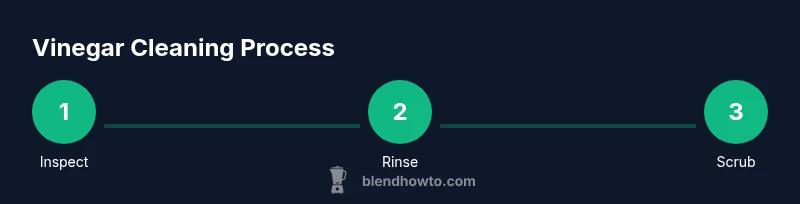
This section translates the essentials into a safe workflow you can repeat as needed. Start with a neutral setup and avoid immersing the motor base. Soak times are short to minimize acid exposure to any metal parts, then scrub the jar interior, blade housing, and lid with a soft brush. Rinse thoroughly with warm water, inspecting for any remaining residues. If odors persist, repeat the soak with fresh vinegar solution and a gentle scrub. Finally, air-dry all components before reassembling. Following this sequence keeps your blender hygienic and ready for the next batch.
Dealing with Tough Stains and Odors
Tannins from coffee, tea, berries, or strong-smelling ingredients can leave stubborn stains and odors. A vinegar soak helps lift many of these residues, especially in plastic jars where micro-scratches trap particles. For persistent smells, lightly re-scrub with a paste made from baking soda and water after the vinegar cycle, then rinse thoroughly. If discoloration remains, consider repeating the vinegar soak or rotating to a lemon-juice rinse as a gentler alternative. Always follow with a thorough rinse to prevent any lingering acidity from impacting flavors.
Cleaning the Lid, Gasket, and Blade Assembly
The lid and gasket are common odor traps and require careful cleaning. Remove the gasket and wash it separately in warm soapy water, then rinse and air-dry. Wipe the underside of the lid to remove any trapped pulp. The blade assembly may accumulate stubborn residue around the blades; use a bottle brush or old toothbrush to scrub the edges, being mindful of sharp blades. Rinse again and dry completely before reassembling. This extra attention helps prevent odors from returning and keeps the seal intact.
Rinse, Dry, and Reassemble for Next Use
Rinse all parts with clean water until no vinegar smell remains. Dry each component with a microfiber towel and let air-dry fully before reassembly. Inspect the jar for any streaks or residue, particularly around seals and the blade assembly. Reassemble the blender and perform a quick test blend with plain water to confirm there are no leaks and that the blade spins freely. Proper drying reduces mold risk and ensures the next blend tastes as intended.
Quick Maintenance Tips to Prevent Buildup
Set a regular cleaning cadence: rinse immediately after use for sticky ingredients, perform a vinegar clean monthly, and replace seals as recommended by the manufacturer. Avoid leaving dairy-heavy mixtures in the jar longer than necessary, and dry the jar thoroughly between uses. Keeping the base dry and clear of moisture protects electronics and prolongs the life of your blender. A consistent routine saves time and ensures consistently fresh flavors.
Alternatives to Vinegar and When to Use Them
If you prefer not to use vinegar, warm water with a drop of mild dish soap can work for light cleaning. Lemon juice provides a pleasant scent and subtle acidity for cosmetic cleaning, but it may not tackle mineral buildup as effectively as vinegar. For stubborn mineral deposits, an approved descaler designed for kitchen appliances is a viable option, always following manufacturer directions. When cleaning with alternatives, rinse thoroughly to avoid cross-flavor contamination.
Troubleshooting and Final Thoughts (Verdict)
If odors or residues persist after multiple cleanings, inspect seals for wear, and consider replacing the gasket or jar. Persistent odors may indicate deeper buildup in hard-to-reach areas or a compromised blade assembly. The verdict is that clean blender with vinegar is a practical, safe, and effective approach for most blender models, provided you follow safety guidelines and manufacturer recommendations. BlendHowTo’s position is that vinegar cleaning, when used correctly, offers an eco-friendly, accessible solution for routine maintenance and odor control.
Tools & Materials
- White vinegar (5-6% acidity)(Use plain white vinegar for best results)
- Warm water(Help dissolve residues and accelerate cleaning)
- Mild dish soap (optional)(For extra degreasing of stubborn grime)
- Bottle brush or soft sponge(Reach inside the jar and around the blade housing)
- Microfiber cloth(Drying and odor inspection)
- Gasket brush or old toothbrush(Detailed cleaning of lid gasket and crevices)
Steps
Estimated time: 20-30 minutes
- 1
Unplug and prep
Unplug the blender. Remove the jar from the base and inspect for cracks or wear. This prevention step keeps you safe and reduces the risk of leaks during cleaning.
Tip: If the jar is compromised, replace before proceeding. - 2
Rinse loose debris
Rinse the jar under warm water to loosen pulp and residues. This makes the vinegar soak more effective.
Tip: A quick pre-rinse saves scrubbing time later. - 3
Prepare vinegar solution
Mix equal parts white vinegar and warm water in the jar or a separate container. This solution begins softening mineral buildup and odors.
Tip: Test a small area if your jar is a soft plastic. - 4
Soak the jar
Pour the solution back into the jar and let it soak for 5–7 minutes. Soaking helps loosen stubborn grime without rubbing.
Tip: Do not soak the motor base or gasket for too long. - 5
Scrub interior surfaces
Use a bottle brush or non-abrasive sponge to scrub the interior, blade area, and any hard-to-reach corners.
Tip: Pay attention to the blade housing edges where grime hides. - 6
Rinse thoroughly
Rinse the jar with warm water until no vinegar scent remains and the water runs clear.
Tip: Tilt and rotate the jar to flush all corners. - 7
Clean lid and gasket
Soak and scrub the lid, gasket, and seals separately. Dry completely before reassembly.
Tip: Inspect the gasket for wear and replace if needed. - 8
Final rinse and dry
Do a final rinse of all parts and dry with a microfiber cloth. Air-dry any remaining moisture.
Tip: Drying reduces mold risk and ensures a clean restart. - 9
Reassemble and test
Reassemble the blender and run a quick test with plain water to confirm there are no leaks and the blades spin freely.
Tip: If you hear unusual noises, discontinue and inspect parts. - 10
Assess for odor
Smell the jar to confirm odors are gone. If any odor lingers, repeat the vinegar cycle once more.
Tip: Avoid over-cleaning with vinegar, which can wear seals over time. - 11
Store correctly
Store with the lid loosely on to allow airflow, or leave the jar dry and unassembled until next use.
Tip: Keep the base dry and away from moisture-prone areas.
Frequently Asked Questions
Is vinegar safe for all blender materials?
Vinegar is safe for most plastic and glass jars, but always check your blender’s manual for metal parts and seals. Rinse well after cleaning to prevent any lingering acidity from affecting flavor.
Vinegar is safe for most jars, but check your manual for metal parts and rinse well afterward.
Can I use lemon juice instead of vinegar?
Lemon juice can deodorize and refresh, but it’s less effective at descaling mineral buildup than vinegar. It’s fine for a light clean, followed by a thorough rinse.
Lemon juice can freshen, but vinegar is more effective for mineral buildup; rinse well after.
How often should I clean my blender with vinegar?
Use vinegar for routine maintenance when you notice buildup or odors, typically once a month for regular users; adjust based on usage and ingredient types.
Clean with vinegar as part of monthly maintenance or when you notice buildup.
Can vinegar damage plastic jars?
Most plastic jars tolerate vinegar; avoid long soaks and always rinse thoroughly. If you notice clouding or wear, switch to a milder method or check the manufacturer’s guidance.
Most plastics handle vinegar, but don’t soak long and rinse well.
What should I do if odors persist after cleaning?
Reassess seals and gaskets for wear, re-clean the jar, and consider a second vinegar cycle. If odors still persist, you may need to replace parts.
If odors persist, re-clean and inspect seals; you may need to replace parts.
Is it safe to run the blender with plain water after cleaning?
Yes. Running plain water helps flush out any remaining vinegar and ensures the blender is ready for its next use.
Yes, run it with plain water to ensure it’s clear of vinegar.
Watch Video
What to Remember
- Prepare the right vinegar solution and protect the base
- Rinse and scrub thoroughly to remove residue
- Dry all parts completely before reassembly
- Inspect gaskets and seals regularly
- Use vinegar as a safe, eco-friendly option when appropriate
- Repeat cleaning as part of routine maintenance