How to Clean Blender: Easy Step-by-Step Guide
Learn how to clean blender safely and effectively with a practical, step-by-step guide. From daily maintenance to tackling stubborn stains, get actionable tips for all blender types and components.


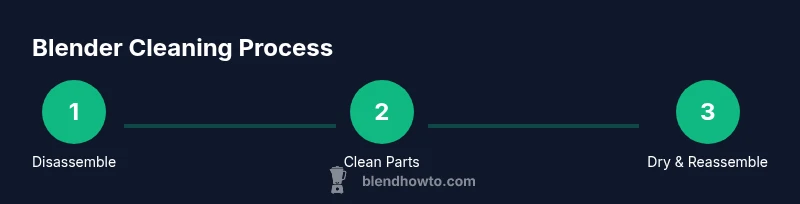
This quick answer shows you how to clean a blender safely and effectively. Start by disassembling the jar, blades, and gasket if possible, rinse everything with warm water, and use a mild dish soap or vinegar solution. Then perform a quick rinse, and finish with air-dry and a wipe-down to prevent odors.
Why cleaning your blender matters
Regularly cleaning your blender is essential for food safety, appliance longevity, and consistent blending performance. If you’re wondering how to clean blender effectively, you’ll want to address every component from the jar to the gasket and blade assembly. According to BlendHowTo, regular cleaning reduces odor buildup and prevents residue from affecting flavor and safety. A quick rinse after each use prevents dried bits from hardening and makes the next clean easier. In this guide, we explore the reasons to keep your blender clean, how odors form, and the simple habits that make maintenance second nature. When you’re finished, your blender will be ready for smoothies, soups, and sauces without lingering flavors or odors. This approach also helps maintain blade sharpness and seal integrity, which translates to better performance over time. The BlendHowTo Team emphasizes consistency in cleaning as the foundation for reliable blending results.
Daily maintenance routines to extend life
Daily maintenance focuses on quick, preventive actions that minimize effort later. Start by draining any leftover liquid and performing a rinse under warm running water. Then apply a small amount of mild dish soap to a sponge or bottle brush and gently scrub all accessible surfaces, including the jar interior and the lid seals. For soft odors, a quick vinegar-water spray can help neutralize scents without harming the plastic or glass. Rinse thoroughly until no soap residue remains, then air-dry parts on a clean towel. Avoid submerging the motor base; never place it in water. By incorporating this short routine into your cooking habit, you’ll reduce stubborn buildup and keep flavors pure. If you use your blender daily, consider a lighter rinse at the end of each session to keep the surface ready for the next blend.
What you need before you start
Before you begin, gather a few supplies to ensure a smooth cleaning process. Essential items include warm water, mild dish soap, a non-abrasive sponge, and a clean towel for drying. Optional but helpful tools include a small brush or old toothbrush to scrub blades and seals, white vinegar or baking soda for odor removal, and a lemon for a fresh scent. If your blender has a glass jar, you can use a soft cloth to wipe the exterior; for plastic jars, check for scratches that trapping residue can worsen. Finally, ensure the blender is unplugged and the model’s manual is handy for any model-specific cautions. With the right setup, you’ll clean efficiently without risking damage to seals or blades. The guidance here supports practical, real-world cleaning steps for any home kitchen.
Step-by-step quick clean overview
Think of this as the fast track for everyday cleaning. Remove the jar from the base and take off the lid. Rinse each part under warm water and apply a drop of dish soap to a sponge. Lightly scrub the interior of the jar, the lid, and any removable gasket. Rinse again, then run a quick cycle with warm water and a few drops of soap if your blender supports it; this helps flush the blades without removing the base. Finally, dry all parts completely before reassembling. This routine takes about 5-7 minutes and keeps your blender ready for the next use. For deeper cleaning, skip to the next sections.
How to clean different parts: jar, blades, gasket
Detailed cleaning ensures every component looks and performs its best. For the jar, fill with warm water and a squirt of mild soap, close the lid, and shake gently if the jar is plastic to dislodge residue; then scrub with a non-scratch sponge. Blades require extra care: disassemble only if recommended by the manufacturer; wear cut-resistant gloves and use a brush to reach crevices. The gasket, often a soft silicone ring, traps flavors and moisture; remove if possible and wash with soap and a tiny brush. If your gasket is stubborn, soak in a solution of warm water and vinegar for 10-15 minutes. Rinse well, dry completely, and inspect for signs of wear or cracks that could leak. This step-by-step helps you maintain a seal-tight, odor-free setup.
Removing odors and tough stains
Odors can linger after fragrant blends like garlic or turmeric. Use a baking soda paste or white vinegar solution to neutralize smells. Fill the jar with warm water, add a tablespoon of baking soda or a splash of vinegar, and let it sit for 10-15 minutes before scrubbing and rinsing. For persistent stains, create a paste with baking soda and a little water, apply to the stained area, let sit 10 minutes, then scrub gently and rinse. Lemon halves can provide a fresh scent and light bleaching effect; run them through a short cycle with water. Dry all components completely to prevent odor reformation. Store with the lid off for a few hours if your kitchen allows, to air out any remaining moisture. These practices keep your blender tasting fresh between uses.
Cleaning for different blender types
Different jar materials require different care. Glass jars are dishwasher-safe in many models but still benefit from hand washing to prevent chipping. Plastic jars may scratch, so use non-abrasive sponges and avoid scouring pads. High-powered blenders with sealed bases require you to avoid getting the base wet; instead, clean the exterior with a damp cloth and use a clear water rinse to flush blades. Some jars include integrated blades or seals; always consult the manual to remove components safely. Short, frequent cleanings are easier than deep scrubs after every heavy blending session. Always dry thoroughly and reassemble carefully to avoid leaks. This approach adapts to your specific blender type and helps preserve performance.
Safety and sanitizing practices
Safety first when cleaning a blender. Unplug the unit before removing any parts and never submerge the motor base. Use hot water and a mild soap solution, and consider sanitizing sprays that are food-safe; avoid bleach or ammonia that could damage plastic or leave residues. Sanitize any frequently touched surfaces like the jar lid and handles. After cleaning, dry all parts completely to prevent mold and odors. If your blender came with a dishwasher-safe jar, follow the manual’s sanitizing instructions. When in doubt, recheck the gasket and seals for wear that could compromise safety. A clean blender not only blends better but also reduces the risk of cross-contamination. Regular sanitizing helps ensure blades stay sharp and safe to use.
Troubleshooting common issues during cleaning
Sometimes residue stubbornly sticks even after a wash. If blending residue remains, soak the jar in hot water with a little dish soap for 15 minutes, then scrub with a non-abrasive sponge. For cloudy jars, a vinegar rinse and sunlight or UV exposure can help restore clarity. If the jar’s thread or lid doesn’t seal well after cleaning, inspect for cracks or warping and replace as needed. If the blades seem loose or dull, stop using the blender and consult the manual or customer service. With patience and the right technique, most issues resolve without specialized tools.
Common mistakes and how to avoid them
Common errors include using abrasive pads that scratch the jar, soaking the motor base, and forgetting to dry parts thoroughly. Avoid harsh chemicals, especially chlorine bleach, which can degrade gaskets. Don’t run the blender empty just to flush particles, as it can overheat. Always ensure parts are fully dry before reassembly. By avoiding these mistakes, you’ll maintain performance and safety over time. Proper technique also prolongs the life of seals and reduces the chance of leaks or odors.
Tools & Materials
- Warm water(For rinsing and diluting cleaners)
- Mild dish soap(Gentle, non-abrasive cleanser)
- Non-abrasive sponge or cloth(Avoid scratching jar surfaces)
- Small brush or old toothbrush(Reach blades and seals)
- White vinegar(Odor removal and sanitizing aid)
- Baking soda(Stain removal and deodorizing paste)
- Lemon(Fresh scent and mild whitening)
- Towel or microfiber cloth(Dry parts completely)
- Gasket removal tool (if applicable)(Only if your model supports gasket removal)
Steps
Estimated time: 10-15 minutes
- 1
Prepare and disassemble
Unplug the blender. If possible, remove the jar, lid, blade assembly, and gasket. This allows full access for a thorough clean and reduces the chance of leaving residue in crevices. Handle blades with care to avoid cuts and never force components out of alignment.
Tip: Take a quick photo before disassembly to aid reassembly later. - 2
Rinse and inspect
Rinse each removable part under warm running water to remove loose particles. Inspect seams, blades, and gaskets for stuck-on bits or wear. Look for cracks or gaps that could harbor bacteria and compromise performance.
Tip: If something looks worn, note it for replacement rather than forcing a fix. - 3
Prepare cleaning solution
Fill a basin with warm water and add a small amount of mild dish soap. For deodorizing or stain removal, prepare a separate solution with white vinegar or baking soda as needed.
Tip: Avoid harsh chemicals that can degrade seals or plastics. - 4
Clean jar interior and lid
Wash the jar interior, lid, and removable gasket with the soapy solution using a non-abrasive sponge. For hard-to-reach areas, use a small brush to scrub around threads and gasket grooves.
Tip: Rinse thoroughly to prevent soap residue that could affect flavor. - 5
Clean blades and gasket safely
If the manufacturer allows, carefully rinse the blade assembly; use a brush to dislodge residue from the blades’ edge. Gaskets get a focused scrub to remove trapped particles. Avoid contact with sharp edges during cleaning.
Tip: Wear cut-resistant gloves when handling blades. - 6
Rinse and dry thoroughly
Rinse all components once more with clean water. Place parts on a clean towel and pat dry, then air-dry completely before reassembling. Moisture left on seals can promote mold or odors.
Tip: Patience in drying saves you from re-washing due to moisture. - 7
Deep clean for stubborn residue
For stubborn stains, apply a baking soda paste or run a vinegar-water cycle, then scrub and rinse again. Let the mixture sit briefly on particularly stained areas before rinsing. This reduces residual color and keeps jars clearer.
Tip: Always test a small area to ensure no surface damage. - 8
Reassemble and test
Reattach the blade assembly and gasket according to your photos or manual. Reconnect the jar to the base and run a short, two-minute cycle with plain water to confirm there are no leaks. Wipe the exterior dry.
Tip: If any leaks occur, recheck gasket seating and threading.
Frequently Asked Questions
Can I put the blender base in water?
No. Do not submerge the motor base; clean it with a damp cloth and avoid direct water exposure. Always unplug before cleaning.
No, you should not submerge the base. Clean it with a damp cloth after unplugging the unit.
What cleaners are safe for blenders?
Use mild dish soap, white vinegar, or baking soda for odor and stain removal. Avoid bleach and abrasive cleaners that can damage seals.
Stick with mild soap, vinegar, or baking soda. Avoid bleach or harsh cleaners.
How do I sanitize after chopping raw meat?
Rinse with hot water and soap, then a brief vinegar rinse can help. Dry thoroughly and sanitize surfaces that touched meat.
Rinse with hot water and soap, consider a vinegar rinse, and dry completely.
Is the jar dishwasher-safe?
Many jars are dishwasher-safe, but always check the manual. If unsure, wash by hand to be safe and prevent warping.
Most jars can go in the dishwasher, but check your manual first. If in doubt, wash by hand.
How often should I deep clean?
Do a quick wash after every use and a deeper clean monthly or after heavy use, depending on your blending habits.
Do quick cleans after use and deep clean every month or so, depending on usage.
Watch Video
What to Remember
- Disassemble parts before cleaning for full access
- Use mild cleaners and avoid harsh abrasives
- Dry all parts completely to prevent odors
- Inspect seals for wear and replace if needed
- Incorporate quick daily cleans to reduce deep-pickups