Vacuum Blender Guide: How to Use for Fresh, Nutritious Blends
Discover how vacuum blending preserves nutrients, reduces oxidation, and boosts flavor. Learn setup, operation, safety tips, cleaning, and starter recipes for your vacuum blender.


A vacuum blender blends ingredients inside a sealed chamber with the air removed, which minimizes oxidation and nutrient loss. This guide explains how a vacuum blender works, when to use it, and the basic steps to operate it safely and effectively. Expect smoother textures and richer flavors when you use vacuum blending correctly.
What is a vacuum blender and how it works
A vacuum blender is a kitchen appliance that blends ingredients inside a sealed chamber where air is removed before blending. By lowering the oxygen level and limiting air exposure, this technique minimizes oxidation, which helps preserve color, nutrients, and flavor. The basic idea is simple: a built-in vacuum pump or lid-assisted vacuum draws air out of the blending jar, then the blades start turning with minimal air contact. Many models combine vacuum functionality with powerful motors, precision blades, and smart programs that time blends to optimize texture. For home cooks and hobbyists seeking practical guidance, a vacuum blender represents a bridge between traditional blending and low-oxygen preparation. The BlendHowTo team notes that even small improvements in texture and color can enhance everyday smoothies and sauces when the process is used with purpose and care.
Why a vacuum blender matters for nutrition and flavor
Oxidation dulls color and reduces some nutrients over time. Vacuum blending mitigates this by reducing air exposure during blending, helping preserve the vibrant hues of berries and greens and maintaining the brightness of citrus without quick browning. In practice, you’ll notice less foaming, a creamier mouthfeel, and a more balanced flavor profile. The technique is especially beneficial for recipes that rely on delicate constituents like leafy greens, soft fruits, and emulsions. With consistent technique, vacuum blending can extend the usable time of blended drinks and sauces, letting you prep ahead without sacrificing quality. According to BlendHowTo, the most noticeable benefits arise when you pair a reliable seal with an efficient vacuum cycle and suitable blade geometry.
How to interpret the trade-offs when choosing a model
Vacuum blending adds a layer of complexity that can increase upfront cost and maintenance needs. You’ll want a model with a robust lid seal, an effective vacuum pump, and clear indicators that the chamber is truly air-free before you start blending. Some users prioritize extra-large jars for batch smoothies, while others value compact designs for small kitchens. Consider noise levels, ease of cleaning, and the availability of replacement parts. BlendHowTo’s testing suggests that models with accessible gaskets and durable materials tend to deliver the best long-term value, especially for frequent users who blend fibrous greens or frozen fruit on a weekly basis.
Safety considerations and habit formation
As with any electrical kitchen appliance, safety is paramount. Always unplug before disassembling the jar or seals, keep the base dry, and inspect gaskets for wear. Avoid hot liquids, which can create pressure differences within the vacuum system. If you notice slow vacuum performance or leaks, stop using the device and consult the manufacturer’s troubleshooting guide. Developing a routine—prep, measure, vacuum, blend, release, and clean—helps minimize mistakes and ensures consistent results with your vacuum blender.
Tools & Materials
- Vacuum blender(Essential appliance that blends under vacuum; ensure model supports your jar size and seals)
- Vacuum-sealed blending jar or pitcher(Glass or BPA-free plastic; airtight lid is required for effective vacuum cycling)
- Measuring cups and spoons(For precise ingredient ratios and liquid volumes)
- Pre-cut fruits/vegetables and liquids(Ingredients you plan to blend; prepping ahead saves time)
- Ice or frozen fruit(Optional; can be used for chilled, thick textures, especially with greens)
- Silicone spatula(For scraping sides and ensuring even blending)
- Dish soap and sponge(For cleaning jars and seals after use)
- Clean, dry towels(Pat dry components to prevent moisture buildup)
Steps
Estimated time: Total time: 25-40 minutes
- 1
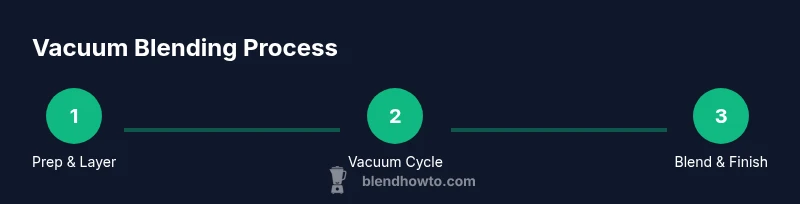
Prepare ingredients and measure
Wash produce, trim inedible parts, and cut into pieces that fit the jar. Measure liquids and solids according to your recipe to ensure a balanced blend. This upfront prep reduces blending time and helps maintain texture under vacuum.
Tip: Pre-portion ingredients into mixing cups so you can drop them in quickly during the blend. - 2
Layer ingredients in the jar
Place liquids and soft ingredients at the bottom and firmer produce on top. This arrangement helps the vacuum cycle draw everything toward the blades evenly and reduces air pockets that can impede blending.
Tip: If you’re using greens, roll or loosely pack them to avoid dense clumps. - 3
Seal and attach the vacuum mechanism
Ensure the jar is firmly seated on the base and the lid is sealed. Engage the vacuum function according to your model’s instructions until the chamber shows a stable, low-pressure state.
Tip: Inspect gaskets for wear before each use to prevent leaks. - 4
Start with a gentle vacuum and blend
Begin blending on a low setting to allow ingredients to move toward the blades without over-processing. If your blender has pulse options, start with short pulses and monitor texture closely.
Tip: Pause between pulses if you hear unusual sounds or see excessive foaming. - 5
Adjust texture and finish the cycle
If the blend is too thick, release a small amount of vacuum and re-blend; otherwise increase speed gradually for a smoother texture. Stop when you reach your desired consistency.
Tip: Vacuum-assisted blends often reach creamier textures faster than non-vacuum blends. - 6
Release vacuum, pour, and clean
Carefully release the vacuum, then pour into glasses or storage containers. Disassemble the jar, rinse with warm soapy water, and dry all parts completely.
Tip: Clean seals promptly to prevent residue from drying and sticking.
Frequently Asked Questions
What is a vacuum blender and how does it differ from a regular blender?
A vacuum blender blends ingredients in a sealed chamber with air removed to minimize oxidation. Unlike standard blenders, it maintains color, nutrients, and flavor for longer and can produce a smoother texture with fibrous ingredients.
A vacuum blender blends with air removed, keeping colors bright and nutrients intact, which is different from regular blenders that mix with air.
Can I use frozen fruit with a vacuum blender?
Yes, you can use frozen fruit, but you may need to adjust timing and liquid ratios. Frozen components often blend more smoothly under vacuum, helping preserve texture without over-thickening.
Frozen fruit blends well under vacuum; adjust liquids to avoid a too-thick texture.
Do I need special jars or accessories for every model?
Most models require compatible jars and seals designed for that unit. Always use manufacturer-approved components to ensure proper vacuum performance and safety.
Only use jars and seals approved by the manufacturer for your vacuum blender.
Is vacuum blending safe for kids or beginners?
Vacuum blending is generally safe when used with supervision and following the product manual. Avoid hot liquids and ensure lids and seals are intact before operation.
Yes, with supervision and following the manual, vacuum blending can be safe for beginners.
How do I clean and maintain a vacuum blender?
Rinse after use, wash with mild soap, and dry seals thoroughly. Regularly inspect gaskets and replace worn parts to maintain vacuum integrity.
Rinse, wash, dry, and check seals regularly to keep your vacuum blender in good shape.
What kind of recipes work best under vacuum blending?
Recipes with delicate greens, berries, and emulsions benefit most from vacuum blending. Start with simple smoothies or dressings, then experiment with thicker textures.
Delicate greens and berry recipes shine under vacuum blending; try smoothies and emulsions first.
Watch Video
What to Remember
- Vacuum blending reduces oxidation and preserves nutrients.
- Choose models with reliable seals and an efficient vacuum pump.
- Proper ingredient prep improves texture and flavor.
- Regular maintenance and safe handling extend device life.