Studio Blender: From Kitchen Blends to 3D Studio Workflows
A practical, in-depth guide to selecting and using a studio blender for compact kitchens and Blender software workflows in studio spaces. Learn setup, safety, maintenance, and how to integrate two worlds into a seamless studio experience.


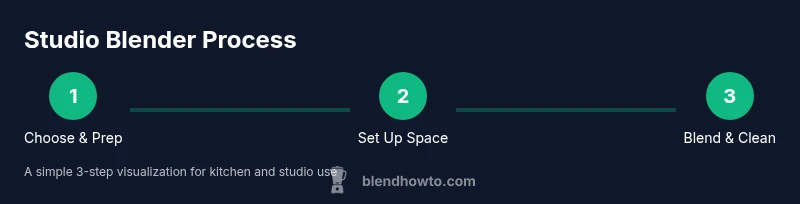
This guide shows you how to choose and use a studio blender for two contexts: a compact kitchen setup and Blender software workflows in a studio. You’ll learn setup, operation, basic safety, and efficient cleaning, plus tips to blend efficiently in small spaces and integrate 3D work into your studio routine.
What is a studio blender? Two worlds, one term
In this guide, a studio blender refers to both a compact kitchen appliance used in studio apartments, home studios, or culinary classrooms, and to the concept of using Blender software in a studio workflow for 3D art. BlendHowTo frames 'studio blender' as a practical toolkit: a reliable blender for fast, consistent blends in tight spaces, and a versatile software workflow that supports modeling, shading, and rendering in a collaborative studio. This dual framing helps home cooks and aspiring 3D artists see how efficient blending—whether physical or digital—can save time and improve outcomes. By embracing a dedicated studio setup, you’re more likely to stay organized, reduce waste, and maintain a clean, ergonomic workspace that supports ongoing experimentation.
Why it matters: Small studios demand equipment that is compact, efficient, and easy to maintain. A well-chosen blender keeps kitchen tasks fast and predictable, while a dedicated desktop workflow with Blender software keeps design tasks smooth and scalable. BlendHowTo emphasizes practical, repeatable steps you can apply daily, whether you’re blending smoothies or textures for a 3D scene.
Tools & Materials
- Studio blender(1 unit with 600-1000W power for versatility in blending and food processing in tight spaces)
- Glass or BPA-free pitcher(48-64 oz (1.4-1.9 L) capacity; dishwasher-safe preferred)
- Measuring cups and spoons(Set includes 1/4, 1/3, 1/2 cup or metric equivalents)
- Spatula and tamper(Silicone or heat-resistant for scraping and consistent blending)
- Dish soap and bottle brush(For quick, thorough cleaning after use)
- Drying rack or clean towel(Space-saving drying solution to air-dry components)
Steps
Estimated time: 20-40 minutes
- 1
Set up your station
Choose a stable, near-sink workspace with a clean surface. Place the blender on a non-slip mat, gather tools, and ensure the power cord length fits your layout. This keeps setup fast and minimizes clutter during the session.
Tip: Lay out ingredients and liquids in the order you’ll add them to speed the process. - 2
Assemble and secure the blender
Check that the lid is clean and locks securely, the pitcher is correctly attached, and the blades are in good condition. Avoid overfilling to prevent splashes and ensure even blending.
Tip: Always lock the lid before turning the blender on. - 3
Add ingredients in the right order
Add liquids first (water, milk, or juice) followed by greens, fruits, or solids. This helps the blades start smoothly and reduces air pockets that slow blending.
Tip: Starting with liquids minimizes resistance and reduces noise and splatter. - 4
Operate with appropriate speed
Begin on low and gradually increase to the required speed. For soft blends, a shorter pulse may suffice; for tougher ingredients, use longer blending with occasional stops to scrape.
Tip: Use the pulse function to control texture without over-processing. - 5
Pause to assess texture and safety
Turn off and inspect texture; if needed, add a splash more liquid or adjust ingredients. Wait a few seconds after stopping to avoid sudden splashes when removing the lid.
Tip: Keep hands away from the blades during inspection. - 6
Clean and store
Rinse the blender immediately after use; wash components with warm, soapy water or run through a gentle cycle if dishwasher-safe. Dry thoroughly before reassembly and store in a dry, accessible spot.
Tip: Dry parts completely to prevent mold and odors in limited spaces.
Frequently Asked Questions
What is a studio blender and why should I consider one?
A studio blender is a compact, space-saving blender designed for small studios or classrooms, ideal for quick blends. It can also symbolize integrating a Blender software workflow in a studio setting, emphasizing efficiency and modular design.
A studio blender is a compact blender for small spaces, and it pairs well with Blender software in a studio workflow for efficiency.
Can a regular kitchen blender work in a studio apartment?
Yes, many regular kitchen blenders work in studio apartments if they are compact and easy to store. Look for a model with a narrow footprint, leak-proof lid, and dishwasher-safe parts to simplify cleanup.
A compact kitchen blender can fit in a studio if it’s small and easy to clean.
Is Blender software essential for a studio artist or is it optional?
Blender software is a versatile tool for 3D artists in a studio. It’s not mandatory, but it can significantly improve modeling, texturing, and rendering workflows when someone also uses a kitchen blender for real-world prototyping or presentation assets.
Blender is a powerful tool for 3D work in a studio, but not mandatory for everyone.
What safety steps should I follow when using a blender in a small space?
Always secure the blender on a stable surface, keep the lid on during operation, avoid overfilling, and unplug before cleaning. Having a spill mat and quick-clean supplies nearby helps reduce risks.
Secure the blender, keep the lid on, and unplug before cleaning.
How do I maintain a clean workspace after blending in a studio?
Rinse components immediately after use, wash with warm soap, dry thoroughly, and store properly. A quick wipe-down of the station prevents buildup in a tight studio.
Rinse and wash parts promptly to keep the station clean in a small space.
Should I buy separate tools for kitchen blending and digital work?
If budget allows, having a dedicated blender for kitchen tasks and a separate setup for Blender software can reduce cross-contamination of odors and improve focus during creative sessions.
A separate setup for kitchen tasks and digital work can help with focus and cleanliness.
Watch Video
What to Remember
- Choose a compact, powerful blender for small studios
- Follow a predictable add-then-blend workflow
- Clean promptly to avoid odor buildup in tight spaces
- Integrate kitchen blending with a Blender software workflow for a 2-in-1 studio approach