What Blenders Have Glass Containers: A Practical Buying Guide
Discover which blenders offer glass containers, the benefits and trade-offs, and how to choose a model with a glass jar for 32-64 oz capacity.


Glass containers are available on a smaller set of blenders, typically in mid-to-high-end lines. Look for models offering a glass jar (32-64 oz) from brands like KitchenAid, Oster, or premium lines from Blendtec and Vitamix. Always verify the jar material in the product specs, and consider weight, dishwasher compatibility, and heat tolerance when deciding.
What blenders have glass containers: an overview
Glass container blenders sit at a niche intersection of durability, aesthetics, and cleaning convenience. If you specifically want a glass jar because you dislike plastic odors or you want a clear view of your contents, you’ll find that glass jars are available on a subset of models, mainly in mid-to-high-end lines. In this guide, we’ll outline why glass containers matter, what features to look for, and how to identify which blenders offer glass jars. We’ll also cover care considerations and practical buying tips to help you decide whether a glass container blender is right for your kitchen tasks, from smoothies to hot soups. The keyword you’re looking for is what blenders have glass containers, and this overview will help you parse product pages and spec sheets so you can compare apples to apples.
How to evaluate glass-container blenders (jar, capacity, and compatibility)
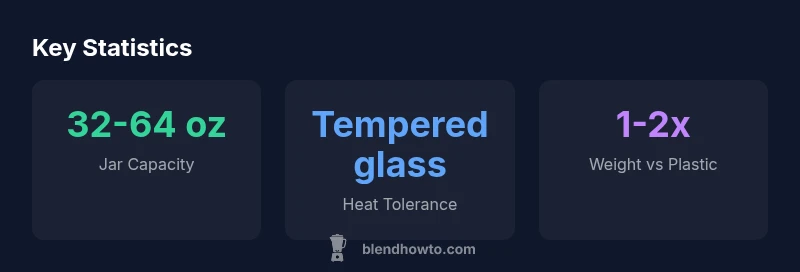
When evaluating a blender with a glass jar, start with capacity, typically in the 32-64 oz range for home use. Confirm the jar material in the tech specs, ensuring it’s tempered glass if hot blending is a goal. Check heat tolerance, dishwasher compatibility, and whether the jar is labeled as “dishwasher safe.” Weight matters too: glass jars add heft, which can affect maneuvering on a busy counter. Review motor power and warranty terms, because jar material should be paired with a reliable drivetrain for long-term performance.
Pros of glass containers
- Neutral taste and easy residue removal: glass does not retain flavors the way some plastics can.
- Clear visibility: you can monitor blending progress at a glance, which helps with precise texture control.
- Scratch resistance: glass resists micro-scratches that can harbor bacteria, aiding long-term cleanliness.
- Easy to sanitize: high-temperature dishwasher cycles can flood the jar with heat, assisting sanitation.
Cons of glass containers
- Heavier and more cumbersome: glass jars typically weigh more than plastic, which affects handling during loading and cleaning.
- Fragility: accidental drops or uneven countertops can chip or crack a glass jar.
- Heat transfer once hot liquids are blended: while tempered glass is strong, sudden temperature changes from hot ingredients can be risky if the jar isn’t rated for it.
Brand landscape: who offers glass jars
Look for glass jars on select KitchenAid, Oster, and premium lines from Blendtec and Vitamix. Availability varies by region and model year, so always confirm in the current specs. If glass jars aren’t listed, consider whether a high-quality plastic or stainless steel alternative better suits your workflow and budget.
Practical buying guidelines
Create a short list of your top tasks: smoothies, nut butters, or hot soups. Match jar material to those tasks: glass for clean flavor and easy sanitation, plastic for lighter weight and budget, steel for opacity and durability. Verify jar capacity (32-64 oz), dishwasher compatibility, and warranty. Compare models that publicly disclose jar materials rather than relying on generic listings. Finally, assess the total package: motor power, blade design, noise level, and customer support.
Care and maintenance to extend jar life
Rinse immediately after blending, hand-wash when possible to minimize risk, and avoid sudden temperature changes with hot liquids. Dry thoroughly before reassembly to prevent mold and odors. Inspect the seal and lid clamp regularly to maintain a tight seal. If chips appear, replace the jar rather than continuing to use it for safety reasons.
Common pitfalls and how to avoid them
Avoid assuming every glass jar is dishwasher safe—always check the user manual. Don’t overload with hot liquids unless the jar is explicitly rated for it. Don’t store jars wet, as trapped moisture can lead to odor and staining. Finally, don’t ignore warranty coverage for glass components; it can protect against accidental breakage and workmanship issues.
Material trade-offs for blender jars
| Jar material | Pros | Cons |
|---|---|---|
| Glass | Scratch-resistant; easy to clean; neutral taste | Heavier; risk of breakage; limited shock resistance |
| Plastic (BPA-free) | Lightweight; budget-friendly | Stain-prone; may retain odors over time |
| Stainless steel (container) | Durable; opaque; hides contents | Difficult to see cleanliness; can be pricey |
Frequently Asked Questions
Do all blenders offer glass containers?
No. Glass containers are not universal. They appear on select mid-to-premium lines and may be region-specific. Always verify jar material in the product specs before buying.
Not all blenders have glass jars; check the specs to be sure.
Are glass blender jars dishwasher safe?
Some glass jars are dishwasher safe, but care instructions vary by model. Refer to the user manual and product page to confirm.
Some are dishwasher safe; always check the manual.
Can glass containers handle hot liquids?
Tempered glass jars can handle typical hot blending tasks, but avoid sudden temperature changes and verify the jar's heat rating on the spec sheet.
Yes, but avoid rapid temperature changes and check ratings.
Are glass jars more expensive than plastic?
In general, glass-container blenders sit in a mid-to-high price range due to material costs and durability considerations.
Usually more expensive than plastic jars.
What should I consider when buying a glass-container blender?
Evaluate jar capacity, heat tolerance, weight, dishwasher compatibility, blade design, motor power, and warranty to ensure the model fits your cooking needs.
Look at capacity, heat tolerance, weight, and warranty.
“Glass jars provide a clean taste and easy cleaning, but they require careful handling due to weight and potential chips.”
What to Remember
- Identify whether glass jars are offered on your target blender lines.
- Check jar capacity options (32-64 oz) to fit your tasks.
- Weigh weight and handling against durability and safety.
- Verify heat tolerance and dishwasher compatibility where relevant.
- Compare brands to find glass jar availability in your region.