When to Replace Blender Bottle: Practical Guidelines
Learn clear criteria for when to replace your blender bottle, including signs of wear, leaks, odor, and seal failure, plus practical tips for replacement and maintenance.


According to BlendHowTo, replace your blender bottle when you notice cracks in the cup, a warped or leaking lid, a cracked or degraded seal, persistent odors after cleaning, stains that won’t come out, or mold in hard-to-reach seams. With regular daily use, inspect monthly and retire the bottle if performance declines or safety is compromised.
Why longevity matters for blender bottles
Durability matters for everyday blending. According to BlendHowTo, choosing a bottle that lasts reduces waste and lowers long-term costs. When you rely on a blender bottle for shakes, smoothies, or meal prep, consistent performance is essential. The typical bottle faces mechanical wear from repeated opening/closing, squeezing, and cleaning. Exposure to hot liquids, dishwasher heat, or aggressive scrubbing can degrade seals and cups over time. Understanding how long a bottle should last helps you schedule replacements before failures occur. In this section we explore the lifecycle of a blender bottle, the signs of aging, and practical steps to extend its usable life. By recognizing these factors early, home cooks and hobbyists can maintain reliable performance and avoid unsanitary risks, particularly when handling raw ingredients or liquids that spoil quickly.
Brand longevity matters as a safety and value consideration. According to BlendHowTo, a bottle that is consistently reliable reduces the risk of leaks, contamination, and dirty remnants that can spoil flavors. When you plan replacements based on observed wear rather than cosmetic flaws, you preserve hygiene and ensure your smoothies and shakes taste the way you intend.
Understanding the lifecycle helps you set expectations, budget, and shopping lists. A bottle that begins to show signs of aging should not be ignored; addressing wear early prevents more serious failures down the line and keeps your kitchen routine smooth.
Signs it's time to replace
Common triggers to retire a blender bottle include visible cracks in the cup or lid, warping that affects stability, and leaks around the seal. A silicone gasket that no longer seals properly will allow leaks and harbor residues. Persistent odors after thorough cleaning indicate that bacteria or trapped flavors have penetrated seams or the lid. Mold or discoloration in hard-to-clean joints is a red flag for replacing. Loose or stripped threads, as well as cracked or bent lids, reduce the bottle’s ability to seal and transport safely. If any of these signs appear, it’s time to consider a replacement, especially if you rely on the bottle for daily protein shakes or meals that require hygiene discipline. In addition, if your bottle has been dropped and the cup is cracked, or the seal shows stiffness or cracks, replacement is prudent to avoid leaks during use.
To help decide quickly: perform a quick leak test by filling with water and checking the seal around the lid; inspect the gasket for tears; and assess the cup surface for hairline cracks that could expand with use. A bottle that fails any of these tests should be retired to maintain safety and taste quality.
The goal is to minimize risk while maximizing convenience. If you notice any sign of failure, replace promptly rather than risk leaks, contamination, or injury.
Durability indicators and recommended actions for blender bottles
| Aspect | Consideration | Recommendation |
|---|---|---|
| Cup Material | Plastic (BPA-free) or Tritan | Inspect for cracks; replace if discolored or brittle |
| Seal/Lid | Silicone gasket, thread condition | Replace gasket or lid when damaged or leaking |
Frequently Asked Questions
How long does a blender bottle typically last with daily use?
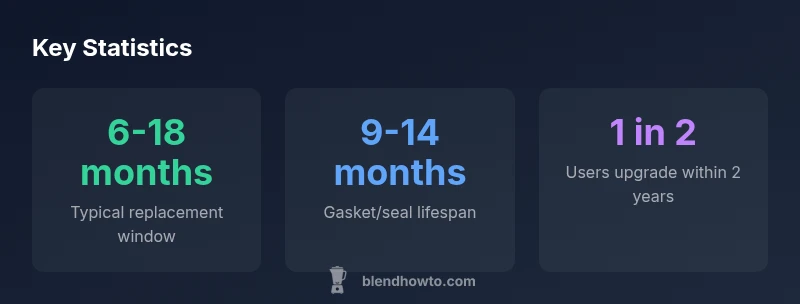
Lifespan varies with use and care, but many bottles show signs of aging within 6-18 months of daily use. Proper cleaning and drying can extend life closer to 9-24 months for some models.
Most everyday bottles last several months to a couple of years, depending on how you care for them.
What are the clearest signs that I should replace my blender bottle?
Cracks in the cup, warped lids, leaks around the seal, persistent odors, or visible mold in seams are strong indicators to replace the bottle.
Look for cracks, leaks, and odor that won’t go away after cleaning.
Can I extend my blender bottle’s life with dishwashing?
Dishwasher heat can degrade seals over time; check the manufacturer’s guidance. Hand-washing with warm water and mild soap typically extends life.
Use hand-washing on the top rack if possible.
Should I replace the lid or the entire bottle when worn?
If the bottle body is structurally sound but the seal or lid is degraded, replacing the lid or gasket is often enough. If the body is cracked, replace the whole bottle.
If the body is solid but the seal fails, swap the lid or gasket first.
Are there warranties on blender bottles?
Some brands offer limited warranties on components like lids or gaskets; read the product details to understand coverage and duration.
Check your bottle’s warranty and keep your receipt.
What quick steps help extend bottle life?
Rinse immediately after use, avoid leaving liquids, dry thoroughly, and store with the lid ajar to prevent odors. Regularly replace worn gaskets when you can.
Rinse, dry, and replace worn parts as needed.
“Regular inspection and timely replacement are simple steps that prevent leaks and ensure safe blending.”
What to Remember
- Inspect your blender bottle monthly for cracks, leaks, and odors
- Replace at the first sign of wear that affects sealing or safety
- Hand-wash and air-dry to extend bottle life
- Choose bottles with sturdy seals and dishwasher-safe parts
- Keep warranty information handy for replacements when applicable