How Long Do Blender Bottles Last? A Practical Longevity Guide
Discover how long blender bottles last, what factors impact durability, and practical steps to extend their life. Learn about materials, care, seals, and replacement parts for longevity.


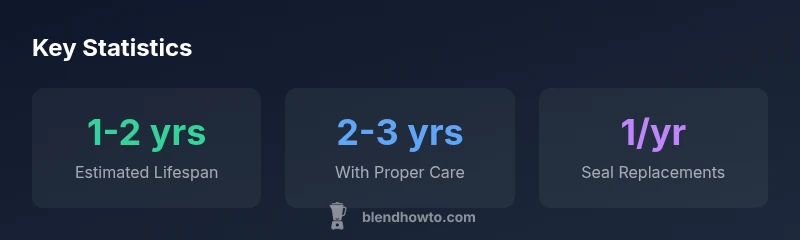
How long do blender bottles last? The typical blender bottle lasts about 1-2 years under normal home use, with maintenance. Lifespan depends on material, exposure to heat, and how often you clean and replace seals. With proper care, you can extend life by protecting seams, avoiding dishwasher heat, and replacing worn gaskets.
What determines a blender bottle's lifespan?
The longevity of blender bottles is not fixed; it depends on multiple interacting factors, including the material used, how frequently you use the bottle, and how you care for it. In everyday home use, most bottles will exhibit gradual wear from lid seals, threads, and the bottle body itself. The sooner you address minor cracks or seal degradation, the longer the bottle remains functional. The question of how long do blender bottles last becomes easier to answer when you separate usage intensity from care quality: heavy, daily use accelerates wear, while light, occasional use paired with careful cleaning slows it down. According to BlendHowTo, the material choice and upkeep are the two biggest levers for extending life. Regular inspection of seams and gaskets helps you spot issues before they cascade into leaks or cracks, making it easier to plan part replacements rather than replacing the whole bottle.
Factors such as dishwasher exposure, heat, UV sunlight, and harsh detergents all contribute to loss of integrity over time. If you notice color fading, brittle plastic, or a stiff gasket, it’s a signal that the bottle’s protective barriers are breaking down and a replacement or part swap is prudent. The core takeaway for longevity is proactive maintenance: clean promptly, store away from sunlight, avoid aggressive scrubbing that can scratch the surface, and replace worn components as needed.
Material differences and how they affect longevity
Blender bottles come in several common materials, each with its own durability profile. BPA-free plastic bottles are affordable and light but can show wear faster under high heat or aggressive cleaning. Tritan and other advanced plastics offer improved impact resistance and clarity, often lasting longer with proper care. Stainless steel bottles provide excellent rigidity and heat resistance, and they tend to endure longer than plain plastic, though their seals and coatings can still wear over time. Glass bottles, sometimes encased in protective sleeves, prioritize chemical inertness and odor resistance but can crack if dropped. For the question of how long blender bottles last, material quality matters: higher-grade plastics and stainless steel generally offer longer service life, particularly when combined with careful cleaning and storage practices. BlendHowTo’s analysis shows that selecting a higher-quality material can modestly extend average lifespan, but only if you pair it with good maintenance routines.
When assessing lifespan, consider how the bottle will be used: travel, gym trips, or daily protein shakes each place different demands on seals and threads. Even a premium bottle can fail prematurely if the lid gasket is routinely stressed or if the threads become cross-threaded from overtightening. A thoughtful material choice aligned with your usage pattern is a primary determinant of longevity.
Care habits that extend life
Care is where most blender bottles either earn extra months or give up early. Follow a simple, repeatable routine:
- Rinse immediately after use to prevent residue from setting.
- Use a soft brush to clean the lid, gasket, and threads; avoid abrasive cleaners that can scratch surfaces.
- Hand wash whenever possible; if you must use a dishwasher, place on the top rack away from intense heat, and use a gentle cycle.
- Dry thoroughly, especially the gasket, to prevent mold and odor.
- Inspect the seals monthly and replace any cracked or stiff gaskets promptly.
By committing to these habits, you reduce wear on the seals and body, which are the most common failure points. As BlendHowTo notes, routine maintenance is a strong predictor of how long blender bottles last.
Common failure points and quick fixes
Many longevity issues root in a few predictable areas: cracked bottle walls, stripped threads, and degraded gaskets. Cracks can propagate from hard drops or impact at the base; replace the bottle if cracks compromise leak resistance. Worn threads reduce the ability to seal properly; avoid cross-threading by hand-threading and not overtightening. Gasket degradation is the most common reason for leakage and odor; replacing worn gaskets is cost-effective and can restore a bottle’s like-new performance. Quick fixes include keeping the gasket stored with the cap to preserve elasticity and having spare gaskets handy for easy swap. If you notice persistent odors despite cleaning, consider replacing the gasket or the whole cap assembly. These small maintenance steps are often the difference between a bottle that lasts a year and one that lasts several years.
For the best results, track the bottle’s wear and perform targeted replacements rather than discarding the entire unit at the first sign of trouble.
Replacement strategy: parts to swap vs replace
A practical approach to prolonging life is to differentiate between parts that are economical to replace and those better replaced as a unit. Replacing gaskets, O-rings, caps, or lids is usually inexpensive and can restore performance without a full replacement. In contrast, if the bottle body shows deep cracks, warping, or clouding that affects safety and cleaning, it’s time to retire the bottle. Keep a small bag of replacement seals and a spare cap on hand to minimize downtime and extend the life of your bottle. This strategy aligns withBlendHowTo guidance: prioritize repair and component replacement when feasible and only replace the bottle body when integrity is compromised beyond practical repair. The overall goal is to maximize longevity while keeping safety and hygiene at the forefront.
Real-world usage scenarios and typical timelines
In real-world usage, the lifespan varies with daily gym routines, travel, and cleaning habits. A daily user who cleans promptly and avoids dishwasher heat may see lifespans closer to the 1.5- to 2-year mark, while a casual user or one who neglects maintenance may find the bottle lasts only 12 months. In more extreme contexts, such as frequent travel or exposure to high heat, the lifespan can lessen further unless preventive care is followed. The key is to set expectations: plan for regular gaskets checks, keep spare parts, and treat the bottle as a modular system whose longevity increases when components are swapped proactively rather than discarded at the first sign of wear.
Environmental and safety considerations
Safety and sustainability go hand in hand when thinking about longevity. Damaged seals can harbor bacteria and toxins if not addressed, so replace them promptly and avoid using compromised bottles for food or beverage preparation. Materials choice also has safety implications: lower-quality plastics may degrade and shed micro-pib particles, while high-quality Tritan or stainless steel options often resist chemical migration better. When deciding how long blender bottles last, balance safety, hygiene, and longevity by prioritizing components that wear out quickly (gaskets, caps) and following the manufacturer’s care instructions. Regular maintenance helps ensure the bottle remains safe to use throughout its lifespan.
Practical longevity checklist
- Inspect bottle body and lid for cracks, chips, or deformation monthly.
- Replace worn gaskets and caps promptly to maintain a proper seal.
- Use gentle cleaning methods; avoid harsh chemicals and high-heat cycles.
- Store away from direct sunlight to reduce material degradation.
- If in doubt about safety or integrity, replace the bottle rather than risking leaks or contamination.
Lifespan estimates by bottle type under typical use
| Bottle Type | Estimated Lifespan (years) | Common Causes of Wear | Care Tips |
|---|---|---|---|
| Plastic shaker bottle | 1-2 | Cracks in body, worn seals | Hand wash, replace seals, avoid high heat |
| Stainless steel shaker | 2-3 | Gasket wear, coating wear | Careful hand washing, inspect caps |
| Glass bottle with sleeve | 3-4 | Chips, sleeve wear | Avoid impact, hand wash, inspect sleeve |
Frequently Asked Questions
How long do blender bottles last on average?
Most blender bottles last about 1-2 years with daily use and proper care. The exact duration depends on material, cleaning routine, and how often seals are replaced.
Most bottles last about a year or two with normal use and care.
Does dishwasher use shorten their life?
Yes, high-heat dishwasher cycles can accelerate wear on plastic bottles and seals. Hand washing is safer for longevity.
Dishwashers can shorten life; hand wash to preserve integrity.
How can I extend blender bottle life?
Keep seals clean and replace when worn, wash gently, and avoid heat and harsh chemicals. Store away from sunlight and rotate parts if you own multiple bottles.
Regular cleaning and timely part replacements extend life.
When should I replace the seals?
Replace seals if they feel stiff, cracked, or lose elasticity, or if leaks persist after cleaning. Prompt gasket replacement is cost-effective.
Replace worn seals to prevent leaks.
Are metal or glass bottles longer lasting?
Metal bottles tend to resist impact well but can wear seals; glass with a sleeves provides rigidity but can crack on impact. Overall lifespan varies by care.
Durability depends on material and care; all need good seals.
Can I recycle old blender bottles?
Yes, most blender bottles are recyclable depending on local programs. Remove lids and seals, and check local guidelines for plastics or steel.
Check local recycling rules for plastics and metals.
“Lifespan is not fixed; it hinges on care and component maintenance. Regularly replacing seals and avoiding heat prolongs use.”
What to Remember
- Assess material and usage to gauge expected lifespan.
- Inspect seals monthly and replace worn gaskets.
- Clean promptly after use to prevent odor and mold.
- Avoid high-heat dishwasher cycles to protect plastic.
- Replace components instead of discarding the entire bottle.