Can Beauty Blender Cause Breakouts? A Troubleshooting Guide
Urgent guide to diagnosing whether a beauty blender can cause breakouts. Learn how to clean, replace, and switch to safer tools with practical steps and tips for acne-prone skin.


Step 1: The most likely cause is trapped bacteria and old makeup on the sponge. Step 2: Regular cleaning and timely replacement reduce breakout risk. Step 3: If breakouts continue, switch to clean-handled tools or a silicone sponge as a safer alternative. Consistent hygiene, noncomedogenic products, and letting the sponge dry completely between uses matter.
Can beauty blender cause breakouts: Causes and fixes
The question can beauty blender cause breakouts is not a simple yes or no. In practice, the risk comes from how the sponge is maintained, stored, and used. According to BlendHowTo, the makeup tool itself is not inherently dangerous, but damp, neglected sponges become fertile ground for bacteria, oils, and residual product. When you apply makeup with a dirty sponge, you transfer microbes and clogged pores to your skin, which can lead to new blemishes and irritation, especially for acne-prone skin. The BlendHowTo team stresses that the same sponge can be perfectly fine for someone with clear skin when kept in a clean, dry state. The key is a routine that emphasizes hygiene, replacement cadence, and appropriate products. Signatures of a problematic sponge include persistent bumps after makeup days, unusual redness, and oilier skin in treated areas. The practical takeaway is simple: if you want to minimize breakouts, treat your sponge like a skincare tool with clear maintenance rules.
How this happens: the micro-world inside a sponge
Sponges are porous by design, which means they suck up and hold liquids, oils, and makeup. If you leave a beauty blender damp between uses, microscopic organisms multiply in the moist environment. Over time, these organisms transfer to your skin with each blend, potentially clogging pores and triggering inflammation. BlendHowTo notes that certain formulations—thick creams, sunscreens, and waterproof products—are more likely to trap residues, increasing risk. In sensitive or acne-prone skin, even small amounts of bacteria can worsen breakouts. The cumulative effect is a cycle: dirty tool + occlusive makeup + oily skin = more blemishes. The good news is that the cycle is breakable with proper hygiene and a predictable care routine.
Cleaning routines that actually work for makeup sponges
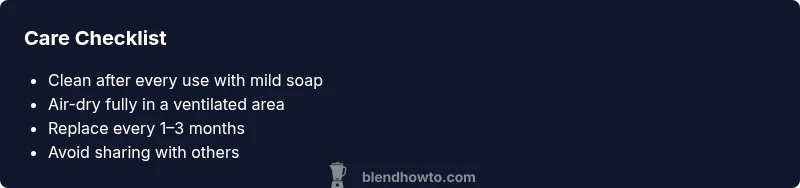
Effective cleaning is the cornerstone of preventing breakouts. Start with a gentle, antibacterial soap or a dedicated sponge cleanser. Soak the sponge for a few minutes, then work the cleanser into the fibers with gentle squeezing motions—avoid harsh scrubbing that damages the material and creates micro-tears where bacteria hide. Rinse thoroughly until the water runs clear, then squeeze out excess water and air-dry in a well-ventilated area. Many users neglect the drying step, but moisture left in the pores invites microbial growth. A weekly deep clean using warm water and a mild detergent, followed by a fast, sunny-dried airing, dramatically reduces contamination risk. For those with sensitive skin, consider swapping to a silicone-based sponge, which washes more easily and dries faster. BlendHowTo emphasizes keeping a dedicated, clean storage option to prevent cross-contamination with other tools and products.
Replacement schedules and alternatives
Even with diligent cleaning, no sponge lasts forever. Replacement cadences vary with frequency of use and product type, but a practical rule of thumb is to replace every 1–3 months for daily use or sooner if you notice tearing, discoloration, or a persistent odor. If you’re acne-prone, consider alternatives that are easier to sanitize: silicone brushes or silicone makeup sponges are non-porous and drain more thoroughly, reducing harbor spots for bacteria. Brushes require regular cleaning as well, but they may offer a more hygienic experience for some users. The BlendHowTo team recommends keeping at least two backups—one for daily use and one in reserve—so you’re never forced to squeeze a questionable sponge into your routine. Also, avoid sharing sponges with others; this is a common path to cross-contamination and breakouts.
Building a safe routine: daily to weekly
A safe routine blends simple daily actions with a robust weekly schedule. Daily: cleanse your skin with a non-comedogenic cleanser, use a clean sponge, and air-dry completely after each use. Weekly: perform a deep clean of your sponge, inspect for wear and tear, and replace if needed. Monthly: assess your overall makeup routine—switch to noncomedogenic foundations or primers if breakouts persist. A Skin-first approach—pairing clean tools with noncomedogenic makeup—significantly lowers breakout risk. The BlendHowTo team highlights that a consistent routine reduces the variance that often leads to skin flare-ups. Create visual reminders and keep your hygiene supplies in a dedicated, dry space to ensure nothing stays damp longer than necessary.
Common mistakes that wreck skin health
There are several pitfalls that can turn a clean sponge routine into a breakout risk. Common mistakes include: using a dirty sponge after applying oil-based products, storing sponges in closed containers while still damp, sharing sponges with friends or family, and neglecting to replace worn-out sponges. Another frequent error is overloading the sponge with heavy products, which can push more makeup into pores and irritate the skin. Finally, ignoring reaction signs—if your skin starts reacting after makeup days, stop using the sponge temporarily and seek alternatives until your skin recovers. BlendHowTo reminds readers that prevention is more reliable than cure when dealing with acne-prone skin.
Quick fixes for busy days
If you’re pressed for time, you can still minimize breakout risk. Use clean hands to buff in lightweight, noncomedogenic products instead of a dirty sponge. If you must use a sponge, quick-disinfect it by rinsing with warm water, squeezing out excess, and using a sanitizer spray designed for cosmetics. Keep a spare, fresh sponge on hand, and swap it for the old one at the end of the day. While quick fixes aren’t substitutes for a proper cleanse and dry, they can help you stay on track during hectic periods. The BlendHowTo team notes that speed should never override hygiene, especially when skin concerns are present.
Steps
Estimated time: 60-75 minutes
- 1
Assess current sponge usage
Check when you last replaced the sponge, inspect for tears, odor, and color changes. If any signs exist, plan a replacement today. This step sets the stage for a cleaner routine.
Tip: Keep a simple log of replacement dates to track wear. - 2
Deep-clean or replace
If the sponge looks clean but has used makeup residue or smells off, perform a deep-clean and rinse thoroughly. If issues persist, replace rather than risking skin irritation.
Tip: Use a dedicated sponge cleanser or mild soap with warm water. - 3
Dry and store properly
After washing, squeeze out excess water and allow the sponge to air-dry in a well-ventilated area. Store in a dry, breathable container to prevent moisture buildup.
Tip: Avoid plastic containers that trap humidity; use a mesh pouch instead. - 4
Evaluate your product mix
If breakouts persist, consider noncomedogenic foundations, primers, and moisturizers. A less occlusive routine reduces pore clogging and bacterial growth.
Tip: Test new products on a small skin area before full-face use.
Diagnosis: User experiences new breakouts after using a beauty blender
Possible Causes
- highAccumulated bacteria and makeup on the sponge
- mediumMoist environment fostering microbial growth
- lowUsing heavy, occlusive makeup with a damp sponge
Fixes
- easyDeep-clean sponge with antibacterial soap, rinse thoroughly, and air-dry completely before use
- easyReplace sponge every 1–3 months or sooner if damaged, discolored, or smelly
- mediumSwitch to a nonporous alternative (e.g., silicone sponge) if persistent breakouts occur
- easySanitize makeup tools regularly and store them in a dry, ventilated area
Frequently Asked Questions
How often should I replace my beauty sponge to prevent breakouts?
Replace every 1–3 months with daily use, or sooner if you see wear, odor, or discoloration. Regular replacement reduces microbial buildup that can trigger breakouts.
Replace your sponge every one to three months, or sooner if it looks worn or smells off.
Is it safe to share makeup sponges with others?
No. Sharing sponges transfers bacteria and oils, increasing the chance of breakouts and skin irritation. Always use personal tools.
Don’t share sponges with others; use your own to protect skin health.
Can using a dirty sponge cause acne?
Yes. A dirty sponge can introduce bacteria and clogged pores to your skin, leading to acne flare-ups, especially if you combine it with heavy products.
A dirty sponge can cause acne by spreading bacteria and oils to your skin.
Are silicone sponges better than foam for preventing breakouts?
Silicone sponges are easier to sanitize and dry, which lowers bacterial buildup. They may behave differently with makeup, so test carefully.
Silicone can be easier to clean, but try it first to see if you like the finish.
What routine steps help prevent breakouts when using makeup sponges?
Adopt a routine: clean sponge regularly, use noncomedogenic products, dry completely, and replace often. A consistent approach prevents pore clogging and bacteria growth.
Keep cleaning and drying routines consistent, and replace sponges on schedule.
Should I see a dermatologist for breakouts after using makeup?
If breakouts persist despite proper sponge care, consult a dermatologist to assess skincare needs and potential product sensitivities.
If acne continues, a dermatologist can help tailor your routine.
Watch Video
What to Remember
- Inspect sponge regularly for wear and odor
- Deep-clean weekly; replace every 1–3 months
- Dry sponge fully; store in a dry location
- Switch to nonporous tools if breakouts persist