Oster Blender Blade Replacement: A Practical Guide
Learn how to safely replace the blade on your Oster blender with a step-by-step method, essential tools, and maintenance tips from BlendHowTo.


By the end of this guide, you will confidently replace the blade in your Oster blender, restore blending performance, and prevent leaks by using the correct blade kit and gasket. This article covers safety, compatible blade models, tools, step-by-step instructions, and maintenance tips. Follow BlendHowTo's best practices to ensure a durable, safe replacement.
Why blade replacement matters for Oster blenders
According to BlendHowTo, regular blade replacement helps maintain performance and safety. Over time, blade edges dull, the gasket can degrade, and the drive shaft may wear, all of which reduce blending efficiency and can cause leaks. Replacing the blade assembly with an OEM-compatible kit can restore power, improve texture, and prevent blade imbalance that could stress the motor. This guide focuses on Oster blenders and provides practical steps you can follow at home. You will learn how to verify compatibility, prepare your workspace, and implement a safe replacement process that keeps your blender running like new.
Throughout this article, you’ll find clear, photo-supported steps and tips designed for home cooks and hobbyists. The goal is to empower you to complete blade replacement confidently, without unnecessary risk or wasted parts.
Safety first: unplug, power down, and protect yourself
Safety is non-negotiable whenever you handle sharp blades. Always unplug the blender from the power source before touching any blades or the blade housing. Remove the jar and place the base on a stable, non-slip surface. Use a towel or rubber mat to grip parts securely, and consider wearing cut-resistant gloves for extra protection. A quick check confirms there is no residual power in the control panel or any indicator lights. Keeping your workspace clean and organized reduces the chance of dropping small parts and injuring yourself during disassembly.
This section emphasizes prudence and a methodical approach to reduce the risk of slips, cuts, or pinched fingers. If you ever feel uncertain, pause and re-check the manual for your model. The BlendHowTo team recommends taking photos during disassembly to ensure you reassemble parts correctly later.
Tools and parts you’ll need for blade replacement
Having the right tools on hand makes the process smoother and safer. Essential items include a replacement Oster blade kit (blade assembly with gasket) compatible with your blender model, a Phillips screwdriver (size varies by model), warm soapy water, a soft cloth, and a small magnetic tray or container to hold screws and small parts. Optional but helpful items are safety gloves, a flashlight for better visibility, and a silicone grease or manufacturer-approved lubricant for gasket seating if recommended in your model’s instructions. Prepare a clean workspace and a tray to keep parts organized as you work through the steps.
Note that kit compatibility is critical. Using an incompatible blade can create leaks or impair motor performance. If you’re unsure, consult the model manual or contact Oster support for model-specific guidance.
How to select the right Oster blade replacement kit
Choosing the correct blade kit is essential for a successful replacement. Start by locating your blender model number, usually found on the base or jar collar. Compare that model with the blade kit packaging to ensure a match for the blade size, seal, and drive shaft configuration. Look for a kit that includes the blade assembly and a gasket or o-ring, since these components seal against leaks efficiently. Some models require a specific gasket thickness to ensure proper fit and motor clearance. If you’re shopping online, read customer reviews or Q&A sections for model-specific confirmations. When in doubt, opt for an official Oster replacement part or a highly rated aftermarket kit that explicitly states compatibility with your model.
This decision reduces the risk of creating leaks or motor stress due to misfit components and saves time from returns.
Step-by-step blade replacement process (overview)
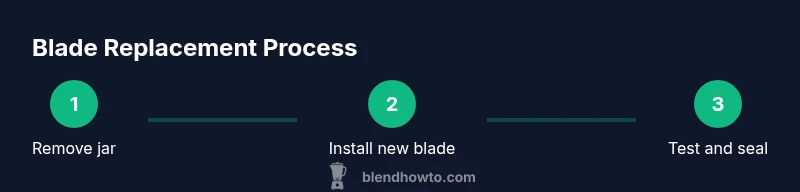
The replacement process consists of seven practical actions: prepare the workspace, remove the jar, detach the old blade assembly, inspect the housing, install the new blade kit, reassemble the jar, and perform a test run. Each action is designed to be completed in a single focused pass, minimizing mishaps and keeping small parts contained. As you proceed, keep the jar or blade assembly oriented in the same way you found it to avoid misalignment. Take your time to double-check gasket seating and blade tightness before testing.
This overview will be expanded with concrete step-by-step instructions in the next section, but the general flow ensures you work safely and efficiently.
Cleaning, resealing, and final checks after replacement
Once the new blade is in place, thoroughly clean the blade housing and the exterior surfaces of the jar and blade assembly. Dry all parts completely before reassembly to prevent moisture from affecting seals or electronics. Confirm the gasket sits evenly in the channel and isn’t twisted or pinched before reinstalling the jar. Wipe any excess lubricant or residue, then give the unit a gentle wipe-down to prevent debris from entering the drive shaft. A careful cleaning step reduces the risk of food particles compromising the seal and helps maintain consistent performance over time.
Testing the blade installation safely
After reassembly, run a brief test with just water on a low speed setting to check for leaks and vibration. Listen for unusual noises or wobble which could indicate improper blade seating or a damaged gasket. If you notice any leaks or instability, power down immediately and re-check the gasket alignment and blade tightness. This test helps confirm the installation before you begin using the blender with food ingredients. Always start slow and supervise the unit during its initial run.
Troubleshooting common blade replacement issues
If your blender leaks after replacement, re-check the gasket’s seating, rotate the blade to ensure proper alignment, and inspect for any hairline cracks in the blade housing or gasket. If there’s excessive vibration, confirm the blade is balanced and fully tightened according to the manufacturer’s torque guidelines. For noises, inspect the drive shaft alignment and ensure there are no small metal shavings obstructing the mechanism. In some cases, the blade kit may be defective; in that case, replacing it with a verified kit is the fastest remedy.
Maintenance tips to extend blade life and keep performance high
Regularly inspect the gasket and blade for signs of wear, corrosion, or dull edges. Clean the blade and housing after each use to prevent residue buildup that can degrade performance. Avoid blending excessively hard items that could nick or warp the blade. When not in use, store the blade kit in a dry place and keep the gasket clean and intact. A light wipe with food-safe mineral oil or manufacturer-approved lubricant can extend the seal’s life in some models. These practices help you get longer use out of each blade kit and preserve motor efficiency.
Tools & Materials
- Replacement Oster blender blade kit (blade assembly + gasket)(Ensure compatibility with your Oster blender model)
- Phillips head screwdriver(Size #1 or #2 depending on screws)
- Dish soap and warm water(For cleaning components)
- Soft cloth or towel(Grips and protects parts during disassembly)
- Safety gloves(Optional for extra protection when handling sharp blades)
- Magnetic tray or small container(Keeps screws and small parts organized)
Steps
Estimated time: 25-40 minutes
- 1
Unplug and prepare
Unplug from power, remove the jar, and place the base on a stable surface. Lay a towel down to catch drips and provide grip when handling parts. This step prevents accidental starts and protects your workspace.
Tip: Take a quick photo of screw placements before removing any parts. - 2
Remove the jar and access the blade
Detatch the jar from the base and rotate the blade housing to access the blade screws. Use a cloth to hold the jar firmly while loosening screws to avoid slips that could cut or drop parts.
Tip: Work slowly and keep parts in a labeled tray to avoid misplacement. - 3
Take out the old blade assembly
Carefully unscrew and lift the old blade assembly from the housing. Note gasket orientation and any spacers. Place the old blade and gasket in a separate container for disposal or recycling.
Tip: Handle blades with gloved hands and avoid touching the sharp edges directly. - 4
Clean the housing and gasket channel
Wash the blade housing, threads, and gasket channel with warm soapy water. Rinse and dry thoroughly to remove residue that could affect the seal or blade seating.
Tip: Inspect for cracks in the housing; replace if damaged. - 5
Install the new blade kit
Place the new gasket into the channel and align the blade assembly with the housing. Tighten screws evenly to avoid warping and ensure the blade is perfectly vertical for balanced operation.
Tip: Hand-tighten first, then snug with screwdriver without over-tightening. - 6
Reassemble and test with water
Reconnect the jar to the base, ensuring a firm seal. Run a low-speed test with water to check for leaks or wobble before introducing ingredients.
Tip: If you detect leaks, re-check gasket seating and tighten screws gradually. - 7
Final safety and cleanup
Wipe the exterior and blade housing, store spare parts, and dispose of old parts responsibly. Keep the blades out of reach of children and verify the unit is fully dry before storage.
Tip: Keep a spare gasket on hand for quick future replacements.
Frequently Asked Questions
Can I replace only the blade or should I replace the entire blade assembly?
Most Oster blenders use a blade assembly with a gasket, so replacing the whole blade kit is common and ensures proper sealing. Check your model’s compatibility before purchasing.
Most Oster units use a blade assembly with a gasket, so replacement is typically done with the full blade kit to ensure a proper seal.
Is it safe to operate the blender if the gasket is damaged?
No. A damaged gasket can cause leaks, loss of suction, or internal damage. Replace the gasket or blade kit to restore a proper seal before use.
No. If the gasket is damaged, replace it to prevent leaks and ensure safe operation.
How do I know which blade kit fits my Oster blender?
Locate the blender model number on the base or jar, then verify the kit’s compatibility with that model. Choose a kit that includes both the blade and the gasket.
Find your model number and verify compatibility with the blade kit you choose.
Can I reuse my old gasket after replacing the blade?
Reusing the old gasket is not recommended. A new gasket ensures a reliable seal and reduces the risk of leaks.
It’s best to use a new gasket for a reliable seal.
How long does a blade replacement usually take?
Most replacements can be completed in under an hour with an organized workspace. The exact time depends on model and familiarity with the process.
Most people finish in under an hour if they stay organized and follow the steps.
Will the blade be as sharp after replacement?
A new blade kit restores performance; you don’t need to sharpen the blade. The new edges are designed for optimal blending right away.
A new blade kit gives you sharp performance without sharpening.
Watch Video
What to Remember
- Confirm blade kit compatibility before purchase.
- Unplug and protect hands during replacement.
- Ensure gasket seating to prevent leaks.
- Test with water before blending foods.
- Maintain blade and gasket for longer life.