Oster Blender Repair: Step-by-Step Guide
A practical, step-by-step guide to Oster blender repair, covering common issues, safety, parts, and testing. Learn disassembly basics, blade alignment, seals, and motor care for reliable performance.


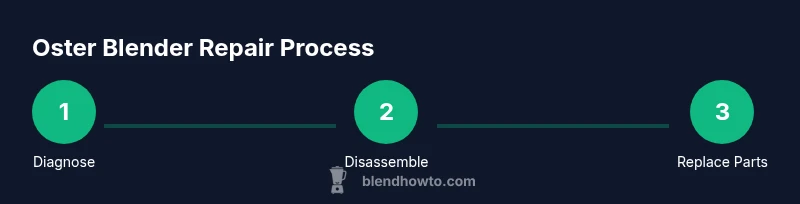
To repair an Oster blender, diagnose issues like motor humming, blades sticking, leaks, or unusual noises. Unplug the unit, inspect the jar, seals, and blade assembly. If components are worn, replace with compatible Oster parts and reassemble, then test at low speed before full use.
Why diagnosing issues matters in Oster blender repair
When you start with a clear symptom in an Oster blender repair scenario, you save time and money by targeting the right components. For home cooks and hobbyists, a structured approach helps distinguish whether the problem lies with the jar, blade assembly, gasket, or motor base. In many Oster blender repair cases, leaks point to gasket failure, while motor noise may indicate worn bearings or a loose coupling. Keeping a simple log of symptoms—what happened, when it started, and any unusual noises—lets you track patterns and decide between part replacement or professional service. This disciplined method aligns with BlendHowTo’s best practices for durable, safe kitchen appliances. Oster blender repair becomes a manageable, repeatable process when you follow a logical diagnostic flow.
Safety: unplug, workspace, and tools for Oster blender repair
Before you touch any component, unplug the blender and remove the plug from the power source. Work on a dry, stable surface with good lighting; water and electricity are a dangerous mix around small kitchen appliances. Wear safety gloves to protect your hands from sharp blades, and keep a clean towel handy for spills. Never attempt Oster blender repair with the jar mounted or the base energized. Disconnect power, then proceed with inspection and replacement steps for a safe and thorough job. This is essential for reliable Oster blender repair results.
Common Oster blender problems and how to identify them
Common issues you may encounter during an Oster blender repair include motor humming without blade rotation, blades that won’t spin, leaks around the seal, or jar misalignment. A humming motor often signals a jam in the blade assembly or a stalled gear, while leaks typically indicate a worn gasket or damaged jar seal. If the blender won’t start at all, verify the outlet, switch, and any safety interlock mechanisms. By identifying the symptom accurately, you can decide whether to replace blades, seals, or the drive coupling, which is central to effective Oster blender repair and long-term performance.
Disassembly basics: what to check in order
Begin Oster blender repair by removing the jar and blade assembly from the base. Inspect the blade assembly for bent blades, loose screws, and signs of wear. Check the drive coupling where the blade assembly connects to the motor base for cracks or looseness. Open the base only if you’re comfortable and have the right screwdriver sizes; never pry electronics with force. Document each piece you remove so reassembly is straightforward. This step helps you identify whether the problem is a worn blade, a damaged gasket, or a faulty drive connection, all critical for a successful Oster blender repair.
Blade and seal inspection: wear, cracks, and replacements
Inspect the blade assembly for dull edges, chips, or bending that could cause poor blending or noise. Check the seal and gasket around the blade assembly and jar for cracks, hardening, or compression loss. Cracks in the jar or lid seal can cause leaks and cross-contamination, signaling the need for replacement parts during Oster blender repair. When you discover wear, compare OEM replacement parts against aftermarket equivalents for compatibility and warranty implications. Replacing worn blades or seals can restore efficiency and safety without replacing the entire blender.
Replacing blades, seals, and gaskets: choosing the right parts
Choose genuine Oster blades and seals when possible to maximize compatibility and longevity. Verify the model compatibility by checking the blender’s base and jar model numbers before ordering replacement blades or gaskets. If you cannot source OEM parts, select high-quality third-party replacements that match the original dimensions and connection points. Proper installation is essential; ensure the blade assembly is seated fully and the seal sits flush in the groove to prevent leaks. This careful selection supports a durable Oster blender repair instead of a temporary fix.
Reassembly: steps to put the Oster blender back together
Reassemble the jar onto the blade assembly, then align with the base. Tighten screws only to the manufacturer’s recommended torque to avoid warping or overtightening. Re-seat the jar in the base to ensure proper interlock with the safety switch. Replace the lid and ensure the locking mechanism functions smoothly. Confirm the drive coupling is correctly engaged before the final test. Thoughtful reassembly is essential for a successful Oster blender repair and safe operation.
Testing and calibration: ensure safe operation after Oster blender repair
With power restored, run a short test cycle filled with water to check for leaks, noise, and motor response at low speed. Watch for smooth blade rotation and proper sealing without drips. If any abnormal vibration occurs, power down and double-check blade balance and jar seating. Calibrate by running several test blends at low speed before full loads. Safe testing confirms the Oster blender repair has restored normal function and operator safety.
Maintenance tips to prevent future Oster blender repair needs
Regular cleaning after each use reduces residue build-up that can impair seals and gears. Periodically inspect blades, seals, and jar for signs of wear and tear, replacing components before failure. Store the blender upright in a dry area to protect the gasket from compression and cracking. Use the blender within its rated capacity and avoid running it empty for long periods, which can strain the motor. These maintenance habits minimize future Oster blender repair needs and extend the appliance’s life.
Troubleshooting quick-reference: a checklist for common scenarios
Use this quick-reference during or after Oster blender repair to verify you covered the usual suspects: visual inspection of seals and blades, jar seating, lid interlock, drive coupling, and motor condition. If cycles start fine but leak after several blends, suspect gasket seating or jar cracks. For persistent motor noise, re-check the drive assembly. This practical checklist supports consistent Oster blender repair outcomes.
Tools & Materials
- Phillips head screwdriver #2(Essential for blade assembly screws)
- Flat-head screwdriver(Useful for prying plastic housings carefully)
- Torx/hex key set(May be needed for some model fasteners)
- Safety gloves(Protect hands from sharp blades)
- Replacement seals/gasket(OEM if possible; matches jar and blade geometry)
- Replacement blade assembly(Ensure compatibility with jar model)
- Isopropyl alcohol (70-90%)(For cleaning blade and housing surfaces)
- Soft brush or microfiber cloth(Gentle cleaning to avoid scratches)
- Multimeter (optional)(Useful for motor resistance checks)
- Small pliers(Grip small components during reassembly)
- Towel or rag(Contain spills and protect surfaces)
Steps
Estimated time: 60-90 minutes
- 1
Power down and prep workspace
Unplug the blender and clear a clean, dry work area. Remove any removable parts you’ll need to access, then set tools within easy reach. This initial setup reduces the risk of accidents and makes the Oster blender repair smoother.
Tip: Take a quick photo of the base before disassembly to guide reassembly. - 2
Remove jar and blade assembly
Carefully detach the jar from the base and remove the blade assembly. Inspect for visible wear on blades and screws. Keep track of small parts to avoid losing them during Oster blender repair.
Tip: Hold the blade assembly firmly and avoid twisting the blade excessively to prevent bending. - 3
Inspect drive coupling and base connections
Check the coupling that links the blade assembly to the motor base for cracks or looseness. Ensure the base contacts are clean and dry. A poor connection can mimic motor failure in Oster blender repair.
Tip: If the coupling spins freely, it may be worn and require replacement. - 4
Examine seals, gaskets, and jar integrity
Look for cracks in the gasket, warping of the jar lip, or missing sealing material. A compromised seal is a common cause of leaks in Oster blender repair. Replace any damaged seals.
Tip: Gaskets should sit flush in their groove; test with a light hand to confirm seating. - 5
Assess blade condition and replace if needed
Evaluate blade sharpness; dull blades reduce performance and can stress the motor. If you notice nicks, bends, or excessive play, replace the blade assembly with a compatible part.
Tip: Always balance a new blade by cleaning and inspecting for any manufacturing defects. - 6
Clean and prepare replacement parts
Wipe down blades, seals, and jar surfaces with isopropyl alcohol. Let dry completely before assembling. Clean components help ensure a secure seal and proper gear engagement.
Tip: Dry parts thoroughly to prevent rust and corrosion. - 7
Reassemble blade, jar, and base
Carefully place the blade assembly back into the jar, then align with the base. Engage the safety interlock and confirm the jar sits properly before tightening screws.
Tip: Hand-tighten screws first, then snug with a screwdriver—avoid over-tightening. - 8
Initial test run with water
Plug in the unit and run a short cycle with water to check for leaks and rotation, starting at a low speed. Observe blade motion and listen for unusual noises.
Tip: If leaks appear, power off and recheck gasket seating. - 9
Finalize testing and cleanup
Run several test blends at increasing loads to confirm reliability. Clean the work area and store tools properly after completing the Oster blender repair.
Tip: Document any adjustments for future reference.
Frequently Asked Questions
Is Oster blender repair worth attempting at home?
For simple wear or gasket issues, home Oster blender repair is often cost-effective. Avoid DIY if the motor shows burning smells or seems unsafe; those issues may require professional service.
For simple parts like seals or blades, home repair can save money, but stop if the motor smells burning or sounds dangerous.
What are common signs you need to replace the blade?
Dull or chipped edges, excessive vibration, or unusual grinding noises indicate blade replacement may be needed in Oster blender repair.
If the blades are dull or damaged, replace them to prevent strain on the motor.
Are there safety precautions I must follow during Oster blender repair?
Always unplug the unit, work on a dry surface, and wear safety gloves when handling blades and seals. Do not operate with loose parts.
Unplug first, work dry, and wear gloves; never run it with parts loose.
Where can I buy genuine Oster parts for repair?
Check official Oster parts suppliers or reputable appliance parts retailers for blades and seals compatible with your model.
Look for official Oster parts from reputable retailers to ensure fit and safety.
Can I repair without specialized tools?
Basic hand tools are enough for most Oster blender repair tasks. More specialized tools aren’t typically required, but follow model-specific guidance.
You can usually repair with common tools; save the specialized tools for rare cases.
Watch Video
What to Remember
- Diagnose accurately to guide Oster blender repair decisions
- Prioritize safety and use proper tools
- Replace worn blades and seals for reliable performance
- Reassemble correctly and test at low speed
- Maintain the blender to prevent future failures