How to Replace Blender Blade: Safe, Step-by-Step Guide
Learn how to replace blender blade safely with a step-by-step guide, essential tools, compatibility tips, and testing checks to restore performance and reduce injury risk.


Learn how to replace blender blade safely and effectively. This quick guide covers when to replace, the required tools, how to remove the old blade, install a replacement blade, and how to test for safe operation. By following these steps, you’ll restore blending performance while reducing the risk of injury. Remember to unplug, handle blades with care, and consult your model’s manual if available.
Why replace blender blade matters
Over time, blender blades dull, bend, or accumulate nicks from tough ingredients. A dull blade reduces blending efficiency, creates uneven textures, and can strain the motor. According to BlendHowTo, replacing a worn blade not only restores performance but also reduces safety risks by avoiding excessive force. Before you start, know your blender model and the exact blade assembly it uses. In this article we explore signs of wear, compatibility considerations, and why blade quality matters for smoothies, sauces, and frozen desserts.
Key indicators that you should replace the blade include persistent motor strain, audible grinding, wobble when spinning, and visible edge dullness. If you notice chips or cracks on the blade edge, stop using the blender and replace immediately. The blade is a critical safety component: a loose or damaged blade can eject from the jar under pressure. The BlendHowTo team emphasizes that blade replacement is a common, manageable maintenance task when you have the right blade type and tools. Finally, consider how replacement blades affect performance with different ingredients: leafy greens, fibrous stems, and hard frozen fruits all respond better when the blade is sharp and well-aligned.
In short, replacing blades at the right moment keeps your blender efficient and safe, preserving texture quality and motor health. By planning ahead and using the correct blade assembly, you’ll save time and reduce waste in your kitchen.
Safety first: unplug, disassemble, inspect
Always unplug the blender and disconnect any power supply before touching blades. Remove the jar from the base and place it on a stable, non-slip surface. Wear cut-resistant gloves or use a thick kitchen towel to grip the blade hub so your fingers never touch the sharp edges. Keep a small container nearby for screws or small parts. Inspect the blade assembly for rust, cracks, or bent prongs. If you see any damage beyond dullness, replace the entire blade assembly rather than attempting repairs. A safe environment means wiping up any liquid and keeping children or pets away during the replacement.
Remember that different blender models use different blade attachments; consult the manual for torque recommendations and thread compatibility. If you’re uncertain, contact the manufacturer or a reputable service. This diligence reduces the risk of cross-threading or improper seating, which can cause leaks or blade ejection. BlendHowTo’s guidance highlights that careful preparation reduces post-replacement troubleshooting and ensures a secure seal between blade and jar.
Choosing replacement blades and blade assemblies
Selection matters: blades vary by blade count, geometry, and compatibility with jar size. Start by identifying your blender’s model number and check the blade assembly type. The replacement blade should be the exact match for your jar, not just a compatible-looking option. Look for corrosion-resistant stainless steel and a robust locking mechanism. If you’re unsure, purchase a replacement blade kit designed for your model or consult the manufacturer’s compatibility chart. Beware of generic blades that claim universality; even slight differences in thread pitch or blade height can prevent proper seating.
When sourcing blades, prioritize reputable sellers and warranty coverage. A high-quality blade will stay sharp longer and resist corrosion from acidic ingredients like citrus and tomatoes. For blends with fibrous produce (celery, kale) and frozen fruit, a well-made blade maintains efficiency and reduces overheating. BlendHowTo’s analysis shows that buyers who verify compatibility and warranty experience fewer return issues and longer-lasting performance.
Removing the old blade: key considerations
With safety gear on, remove the blade by following the jar’s orientation and the blade locking technique. Grasp the blade assembly by the hub or a protective cloth, and slowly counter-rotate to loosen the blade from the jar. Avoid twisting too hard to prevent damage to the threading or the gasket. Once loose, lift the blade assembly straight out and place it on a clean, dry surface. Do not pry or use metal tools that could nick the blade or jar. Keep track of small screws and spacers; a misplaced part can cause leaks or imbalance during operation.
If your model uses a presser washer or a non-removable blade, follow your manual’s disassembly steps exactly. Some designs require loosening a retaining ring or snapping off a safety guard before you can access the blade. If you encounter resistance that seems abnormal, stop and re-check the jar alignment and any locking tabs. Rushing this step can cause injury or permanent damage to the blender.
Installing the new blade correctly
Align the new blade with the jar’s descent and thread, then lower it into place. Start turning gently to engage the threads, and then tighten using the appropriate tool or hand method specified by your model. Avoid over-tightening, which can strip threads or crack the gasket. When the blade sits properly, check that it spins freely with minimal wobble before reassembling the jar to the base. If you notice misalignment, stop and re-seat, ensuring the blade is seated flush against the gasket and jar bottom. A misaligned blade creates imbalance, reducing motor efficiency and increasing noise.
After installation, reattach any locking rings or guards, verify a clean gasket seat, and prepare to test with water before blending ingredients. Aluminum or stainless blades must be kept dry prior to use to prevent corrosion and corrosion-related issues.
Testing and maintenance after replacement
Fill the jar with a small amount of water and run a short blend to verify sound and seating. Listen for grinding, wobble, or leaking around the blade area; if you hear any of these, power off immediately and re-check the blade seating. Clean the jar and base promptly after testing to remove any food debris that could loosen the blade’s seal later. Check the gasket for cracks or wear and replace if necessary. Keep the blade dry when storing and avoid twisting the blade cap during storage. Regular inspection after replacement helps prolong blade life and preserves your blender’s performance.
As you finish, record the replacement date and model in your kitchen notebook. This habit helps you plan replacements and gather data for future maintenance. The BlendHowTo team notes that proactive maintenance reduces downtime and improves results across homemade sauces, smoothies, and soups.
Common mistakes and troubleshooting
Common mistakes include selecting an incompatible blade, overtightening, or failing to align the blade properly, which can cause leaks or blade ejection. Another frequent issue is forgetting to unplug before handling the blade, which is a serious safety hazard. If your blender still struggles after a replacement, verify the motor’s coupling and the jar’s seating; a damaged motor or cracked jar requires professional service. If you notice persistent vibration, check for loose base screws, ensure your kitchen counter is level, and confirm there’s no play in the blade hub. By addressing these issues, you can avoid recurring problems and keep your blender performing at peak efficiency.
Tools & Materials
- Replacement blade assembly kit(Ensure kit matches your jar model and includes blade, seal, and retaining ring)
- Screwdriver set (Phillips and flat-head)(For model-specific screws)
- Hex/Allen wrench(Only if your blade assembly uses a security bolt)
- Protective gloves(Cut-resistant recommended)
- Dry cloth or towel(Hold blade with cloth when handling)
- Bucket or tray(Optional for small parts collection)
- Water for testing(Use a small amount to test after replacement)
- Gasket replacement (if needed)(Only if the gasket shows wear)
Steps
Estimated time: 30-45 minutes
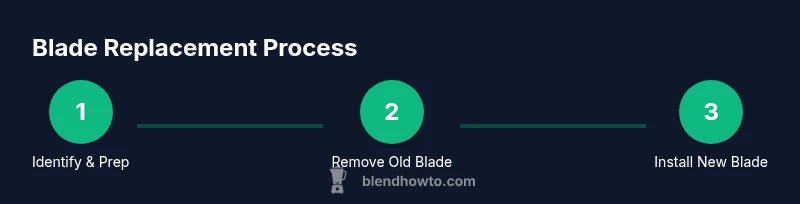
- 1
Power down and unplug
Confirm the blender is unplugged and the power cord is removed. Remove any jar from the base and place on a stable surface. This prevents accidental activation while you work.
Tip: Take photos of any connectors if you must disassemble the base. - 2
Prepare workspace and safety gear
Put on cut-resistant gloves and lay out a towel to protect your hands. Have a container ready for screws and small parts to avoid losing them.
Tip: Work over a clear, dry surface to prevent slips. - 3
Remove the old blade
Grip the hub with a cloth and carefully counter-rotate to loosen the blade. Lift straight out and set the blade on a clean surface. Do not pry with metal tools.
Tip: Use a back-and-forth gentle motion to avoid damaging threads. - 4
Inspect components
Check the blade, gasket, and jar threads for cracks or wear. If any part looks damaged beyond dullness, replace the blade assembly and gasket rather than attempting a repair.
Tip: Look for corrosion or discoloration around the blade hub. - 5
Install the new blade
Line up the new blade with the jar threads and gently thread it in. Avoid over-tightening; snug is enough to create a good seal without damaging threads.
Tip: Tighten in small increments and test for smooth rotation before reassembly. - 6
Reassemble and test
Reattach the jar to the base, ensure the gasket sits flush, and power up with a small amount of water to verify seating and operation.
Tip: If you hear grinding or notice leaks, power off and re-check alignment.
Frequently Asked Questions
Can I replace blender blade with any blade?
Blender blades are model-specific. Use the replacement blade kit designed for your jar. Mismatched threading or blade height can cause leaks or ejection.
Blender blades are model-specific. Use the kit designed for your jar to avoid leaks or ejection.
Is it safe to replace blades at home?
Yes, with the blender unplugged and surfaces protected. Follow the manufacturer’s instructions and wear cut-resistant gloves to reduce risk of injury.
Yes, but unplug first and wear cut-resistant gloves for safety.
How do I know if the blade is compatible with my model?
Check the jar’s model number and refer to the compatibility chart in the manual or on the manufacturer’s site. If in doubt, contact customer support before purchasing.
Check the model number and the manufacturer’s compatibility chart or contact support.
What if the blade doesn’t fit after replacement?
Stop using the blender. Re-check threading, gasket seating, and blade height. An ill-fitting blade can cause leaks and potential injury.
If it doesn’t fit, re-check threads and seating; don’t operate it until it fits properly.
How often should I replace the blade?
Replace when dull, bent, chipped, or when performance declines noticeably. Delaying replacement can strain the motor and compromise safety.
Replace when you notice dullness or damage; don’t delay to protect the motor and safety.
Watch Video
What to Remember
- Identify wear signs early to plan replacement.
- Match blade assembly exactly to your jar.
- Install blades carefully and test with water.
- Maintain blades to extend life and performance.