What to Do When Blender Lid Is Stuck: A Practical Guide
Learn safe, practical steps to free a blender lid that won’t open. Inspect for misalignment, gasket swelling, and blade interference, then follow maintenance tips to prevent future sticking.


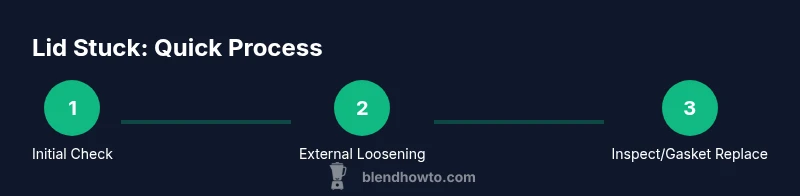
To free a blender lid that won’t twist open, unplug the blender, remove the jar from the base, and inspect for misalignment or a swollen gasket. Start with gentle external loosening using a non-slip grip, and avoid prying with metal tools. If needed, apply a light, food-safe lubricant to exterior threads only, never inside the jar.
Why the Blender Lid Gets Stuck
Understanding why a blender lid can become stubborn helps you pick calm, effective strategies. In many kitchens, what to do when blender lid is stuck starts with common mechanical issues: a lid that is over-tightened, a gasket that has swollen after washing, or a jar that is not perfectly aligned with the base. Before you reach for tools, take a moment to assess the scene. Look for visible clues like a warped gasket, debris lodged in the threads, or a misaligned jar sitting unevenly on the base. By diagnosing the root cause—whether external threads, the gasket, or blade interference—you can choose the safest, most effective action. This approach reduces risk of damage to the lid, jar, or base, and keeps your blender ready for use.
Safety First: Avoid Injury
Safety always comes first when dealing with a stuck blender lid. Start by unplugging the unit and removing the jar from the base. Keep hands away from the blades and never try to lever the lid while the blades are exposed; doing so can cause serious cuts. Wear protective gloves or grip pads to improve traction if the lid feels slick. Work in a clear, dry area to prevent slips, and avoid forcing the lid—if you feel resistance, stop and reassess. If you suspect any damage to the blade assembly, gasket, or jar, pause and consult the manufacturer’s manual to avoid accidental disassembly that could void warranties or cause injuries.
Quick Physical Inspections You Can Perform
With the blender unplugged, carefully lift the jar from the base and visually inspect the lid threading and jar rim. Check that the base notch aligns with the jar’s bottom lip; misalignment can make the lid feel stuck. Inspect the gasket for cracks, swelling, or hardened edges caused by moisture exposure. Remove loose debris with a soft cloth and a gentle brush, being careful not to nick the gasket or the blade seals. If the gasket is swollen, you may need to replace it rather than forcing the lid open. These checks identify whether quick, non-invasive fixes are possible or if more steps are required.
Step-by-Step: Gentle External Loosening
Begin with the simplest approach: grip the lid with a non-slip pad or cloth, and twist counterclockwise very slowly while holding the jar steady to prevent the base from turning. Apply even pressure—don’t hammer or pry—because aggressive force can crack the lid or strip threads. If resistance remains, pause and recheck alignment and gasket condition. A tiny amount of heat from a warm cloth on the lid exterior can help expand the plastic slightly, but never use direct heat or a heat gun on the lid or seal. The goal is controlled loosening, not brute force.
Step-by-Step: Stabilize and Inspect the Seal
If external loosening fizzes out, re-seat the jar on the base and press down gently while turning the lid. Stabilization minimizes blade interference and ensures the gasket remains uniformly compressed. Check for any residual moisture on the threads, as water can create suction or swelling. Clean the threads with a dry cloth, then dry completely before attempting another gentle twist. If the lid still won’t budge, consider removing the jar and inspecting the seal from the outside; a damper or swollen gasket may need replacement rather than trying to force a solution.
Handling a Swollen Gasket or Seal
A gasket that swells after washing is a common reason lids feel stuck. If you notice visible swelling, do not attempt to squeeze or force the lid. Instead, replace the gasket with a compatible, food-grade part. While waiting for a replacement, you can use a temporary, food-safe barrier (such as a thin, clean silicone pad) on the jar rim to improve sealing, but avoid creating a rough surface that could snag the lid. If the blade assembly is obstructed by a swollen gasket, disassembly beyond the jar may require professional service. Always consult the manual before attempting further teardown.
External Lubrication: What, When, and How
Lubrication can sometimes help exterior threads free the lid, but only use a food-safe lubricant on the outer threads. Apply a tiny amount and wipe away any excess; never lubricate the interior of the jar or the blade area. Lubrication reduces friction that builds up with repeated washing and heat exposure. If you choose to lubricate, do so conservatively and reassemble the unit to test the fit. If you experience slipping or residue in the food cavity after testing, discontinue use and clean the unit thoroughly.
Cleaning and Drying After a Stuck-Lid Episode
After you regain access, give the blender a thorough cleaning to remove any residue from the lubrication or gasket material. Use a gentle dish soap solution and a soft brush to clean threads, gasket grooves, and the lid’s interior. Rinse with warm water to remove soap and oil, then dry all parts completely before reassembling. Moisture left on the threads can lead to future sticking, corrosion, or mold growth. Store the unit in a dry place to minimize moisture exposure on the gasket.
Preventive Maintenance to Avoid What to Do When Blender Lid Is Stuck in the Future
Prevention beats repair. Regularly inspect the gasket for cracks and swelling, and replace it at the first sign of wear. Clean the threads monthly and after any use that involved liquids, making sure they are dry before reassembly. Avoid overtightening and ensure the jar sits evenly on the base before closing the lid. If your model has a locking mechanism, test it periodically to verify it seats properly. With mindful maintenance, the lid will open more reliably and you’ll save time when you need it most.
Common Mistakes and How to Avoid Them
Common errors include forcing the lid, using metal tools to pry, or applying lubricant inside the jar. These actions can damage threads, scratch the seal, or contaminate food. Always unplug the unit first, and prefer gradual loosening with a non-slip grip. When in doubt, consult the user manual or contact the manufacturer for model-specific guidance. Documenting the issue can help you decide whether a replacement lid or gasket is the best long-term fix.
Quick Troubleshooting Checklist You Can Print
- Unplug the blender and remove the jar. 2) Inspect alignment and gasket for swelling or damage. 3) Clean threads and dry thoroughly before reassembling. 4) Attempt gentle external loosening with a non-slip grip. 5) If resistance remains, avoid additional force and consult the manual. 6) Replace gasket if swollen or cracked. 7) Test with minimal load to confirm proper sealing. 8) Store in a dry place to prevent moisture buildup.
Final Notes: When to Replace vs Repair
If the lid threads are stripped, the gasket is torn, or recurring sticking persists after maintenance, replacement parts or a new lid may be the safest option. Some models have modular lids designed for easy part replacement, while others require professional service. Consider the cost of repair relative to purchasing a new unit, especially if the base or blades show signs of wear. A practical approach balances safety, cost, and performance.
Tools & Materials
- Non-slip jar opener pad or silicone mat(Grips lid while twisting; helps prevent slips.)
- Protective gloves (nitrile or leather)(Adds grip and protects hands if lid slips.)
- Food-grade silicone lubricant(External threads only; avoid interior contact with food.)
- Soft microfiber cloth(For cleaning threads and gasket surfaces.)
- Small flashlight(Helps inspect hard-to-see threads and gasket grooves.)
- Mild dish soap and warm water(For cleaning after the episode.)
Steps
Estimated time: 60-90 minutes
- 1
Unplug and remove jar
Ensure the blender is powered off and unplugged. Gently lift the jar straight up from the base to avoid blade contact. Set the jar aside on a padded surface to inspect the lid and threads.
Tip: Handle the blades with care; never use your fingers near the blade edge. - 2
Inspect lid threads and base alignment
Look for scuffs, burrs, or debris in the lid threads and the base rim. Confirm the jar sits flush on the base; misalignment can give the impression that the lid is stuck.
Tip: Use a flashlight to check hidden debris in thread grooves. - 3
Check gasket condition
Examine the gasket for swelling, cracks, or deformation. A swollen gasket can create suction or binding. If damaged, plan for a replacement before further attempts.
Tip: Only replace with the exact gasket model for safety and performance. - 4
Apply external grip and gentle twist
Place a non-slip pad on the lid and grip firmly. Twist counterclockwise with steady, even pressure while stabilizing the jar with your other hand.
Tip: If resistance remains, pause and reassess alignment rather than forcing the lid. - 5
Consider light lubrication to exterior threads
If exterior threads feel dry or sticky, apply a tiny dab of food-safe lubricant to the outside threads and wipe away any excess.
Tip: Do not apply lubricant to the interior jar surface or gasket. - 6
Re-seat and test fit
Replace the jar on the base, ensure proper seating, and attempt a gentle twist to verify if the lid loosens. If it still binds, stop and continue to next steps rather than applying force.
Tip: Work in a clean area to avoid dropping the jar. - 7
Inspect for blade interference
With the jar removed, check whether the blade assembly is misaligned or contacting the lid area when pressed down. Do not force the lid if interference is present.
Tip: If unsure, refer to the model’s teardown guide or warranty information. - 8
Clean and dry thoroughly
Wash the threads and gasket area with mild soap, rinse, and dry completely before reassembly. Moisture can cause future sticking.
Tip: Use a warm, dry cloth to ensure all surfaces are dry. - 9
Preventive checks for future use
Regularly inspect gaskets and threads, and avoid overtightening. Store the blender with lid loosely in place or upright to prevent deforming seals.
Tip: Schedule a monthly quick inspection to catch wear early. - 10
Know when to replace parts
If the gasket or lid shows cracks, excessive wear, or recurring sticking, replacement parts may be the safest option to protect the blender and your food.
Tip: Compare part costs with replacing the entire unit when relevant. - 11
Try professional service if needed
If the lid remains stuck after all home steps, seek professional servicing or contact the manufacturer for guidance on warranty or repair.
Tip: Keep model details handy to speed up support. - 12
Document the issue for future reference
Note model, date, symptoms, and steps you took. This helps with future maintenance and can assist if you contact support.
Tip: A quick photo log of gaskets and threads can be invaluable.
Frequently Asked Questions
Is it safe to force the blender lid open?
No. Forcing the lid can damage threads, crack the lid, or injure you. Always unplug, inspect the gasket, and use gentle external loosening first.
Forcing the lid is not safe. Unplug first, inspect the gasket, and try gentle loosening from the outside.
What should I check first when the lid is stuck?
Start with exterior grip and check alignment between the jar and base. Look for a swollen gasket or debris in the threads. If these aren’t the cause, assess blade interference carefully.
First check the jar alignment, gasket condition, and any debris in the threads.
Can lubrication help, and is it safe?
A tiny amount of food-safe lubricant on exterior threads can help, but never inside the jar or on the gasket. Wipe away any excess and test carefully.
Lubricant on the outside threads can help, but avoid the interior and wipe off excess.
What if the gasket is swollen or damaged?
If the gasket is swollen or cracked, replace it rather than forcing the lid. A damaged gasket can cause leaks and safety hazards.
If the gasket is swollen or cracked, replace it instead of forcing the lid.
When should I seek professional help?
If the lid remains stuck after all home steps, consult the manufacturer’s guidance or a professional service. Warranty considerations may apply.
If it still won’t budge after all steps, seek professional help.
Are there model-specific differences to consider?
Yes. Some models have different lid mechanisms or gasket shapes. Always check the user manual for model-specific instructions before attempting disassembly.
Check your model’s manual for any specific lid or gasket instructions.
Watch Video
What to Remember
- Unplug before any inspection or manipulation.
- Check gasket and alignment before forcing the lid.
- Use external grip and gentle twists; avoid interior lubrication.
- Replace worn gaskets to prevent recurrence.
- Keep maintenance simple to extend blender life.