Why Blender Explode: Urgent Troubleshooting Guide
An urgent, practical troubleshooting guide to diagnose and fix why blender explode incidents. Learn safety steps, common causes, diagnostic flow, step-by-step fixes, and prevention tips for home cooks.


If you search for why blender explode, you’ll quickly learn that most incidents come from a few practical, repeatable mistakes. The good news is that most hazards are preventable with basic safety steps and a little routine maintenance. In this guide, BlendHowTo walks you through urgent, actionable checks you can perform today to reduce risk in the kitchen. The phrase why blender explode isn’t about a mystery—it's about recognizing warning signs, respecting limits, and choosing parts that fit your model. For home cooks, the most common triggers are overfilling, a cracked jar, a loose or damaged lid seal, or a motor that has been strained beyond its design. By addressing these factors, you can blend safely and consistently.
Understanding the risk behind why blender explode events
If you search for why blender explode, you’ll quickly learn that most incidents come from a few practical, repeatable mistakes. The good news is that most hazards are preventable with basic safety steps and a little routine maintenance. In this article, BlendHowTo guides you through urgent, actionable checks you can perform today to reduce risk in the kitchen. The phrase why blender explode isn’t about a mystery—it's about recognizing warning signs, respecting limits, and choosing parts that fit your model. For home cooks, the most common triggers are overfilling, a cracked jar, a loose or damaged lid seal, or a motor that has been strained beyond its design. By addressing these factors, you can blend safely and consistently.
Further, blends should be approached with care: never bypass safety features, never operate a blender without a proper seal, and never ignore unusual sounds or smells. This approach not only protects you but also extends the life of your appliance. BlendHowTo emphasizes that prevention begins with the right parts and the right technique.
Common mechanical causes that lead to explosions
The list tends to repeat across many households because blenders share core design principles. The first and most frequent cause is overloading: tossing in too much material or very hard ingredients (ice, frozen fruit, nuts) can stall the blade and force the motor to draw more current than it should. The result can be a sudden surge, burning smell, or a burst from the jar if the seal or glass is compromised. A second frequent factor is jar damage: hairline cracks, chips at the rim, or a warped base where the jar seats can create pressure points. Third, a damaged lid gasket or mis-seated lid can trap pressure and create an explosive moment when the blade speeds up. Finally, ensure you are using a compatible jar and blade with your base; mismatched parts can loosen during operation and cause dangerous outcomes.
Safety-first actions you must take immediately
Before you do anything else, unplug the blender and move it away from the edge of the counter. Do not reach into the jar until you are sure the blades are at a standstill. If you notice cracking, smoke, or a burnt smell, stop using the unit and allow it to cool completely. Remove the jar and inspect the seal, lid, and jar rim for signs of wear. If you see cracks, chips, or a softened seal, replace the affected part before attempting to blend again. Finally, keep kids and pets away during inspections. These quick checks prevent common injuries and protect your kitchen from further damage.
Diagnostic flow for blender explosion risk (flow map)
Symptoms usually fall into a few patterns. Symptom: unusual vibration, smell of burning, or a jar that won’t seal. Diagnosis leads to potential causes: (1) overloading or motor overload; (2) jar damage; (3) lid or seal wear; (4) incompatible parts. Each cause has a suggested remedy. If the symptom is vibration with no visible damage, inspect the blade assembly for wobble and the base for cracks. If there is smoke or a strong electrical smell, stop immediately and do not attempt a solo repair. In all cases, if you’re unsure, consult a professional. The goal is to identify the specific failure and replace the corresponding part rather than guessing and risking another hazard.
Step-by-step: Fixing the most common cause (overloading and jar damage)
- Unplug and let the unit cool. 2) Remove and inspect the jar for cracks or chips along the rim; replace if damaged. 3) Check the lid gasket; remove and assess wear; replace if it’s compressed or torn. 4) Ensure the jar seats firmly on the base and the blade assembly rotates freely with the jar removed; fix or replace if there is wobble. 5) Reassemble with a small amount of water and run briefly to verify the seal and motor behavior without full load. 6) When you’re confident, blend a small, soft batch and watch closely for any signs of trouble. If you observe unusual noises, overheating, or leakage, stop and re-evaluate.
Tips & Warnings
- Never operate a blender with a cracked jar or damaged lid; small cracks can expand under pressure.
- Always unplug before inspecting or replacing parts.
- Use the manufacturer’s recommended jar and blade combination; mismatched parts can fail during operation.
- Avoid blending extremely hard materials in large volumes; break them into smaller batches.
- If you suspect a motor issue, do not push it to failure; seek professional repair or replacement.
Prevention: How to keep your blender safe long-term
Regular maintenance is your best defense: clean the blade assembly after every use, replace worn gaskets promptly, and store jars with lids securely fastened. Keep a small stock of replacement seals and the correct jar for your base so you’re not tempted to push a worn part to the limit. Finally, follow the load recommendations from your user manual, and avoid experimenting with unconventional blends that push the motor beyond its designed duty cycle.
Final safety recap and what to watch for in the future
Always treat blending as a controlled task. Unplug before checks, verify part integrity, and watch for signs of wear. If your blender begins to smoke, vibrate excessively, or emit a burning smell, stop immediately and consult a professional. With these precautions, you can enjoy safe, reliable blending and reduce the risk of explosions in the kitchen.
Steps
Estimated time: 15-30 minutes
- 1
Unplug and safety check
Immediately unplug the blender and let it cool. Remove the jar and examine for cracks or damage. Do not touch the blades while any part is plugged in or spinning. This step prevents severe injuries.
Tip: Never bypass safety interlocks or run the unit with exposed blades. - 2
Inspect jar and lid
Look for cracks, chips, or warping around the rim and within the seal area. A damaged jar or lid gasket is a common trigger for pressure-related failures.
Tip: If you see wear, replace the jar or lid gasket before reassembly. - 3
Check base and blade assembly
With the jar removed, rotate the blade by hand to confirm smooth movement. Reinstall the jar and ensure a firm seating. Any wobble or grinding should be addressed before use.
Tip: Do not use a blender with a loose blade assembly. - 4
Run a test with minimal load
Fill with a small amount of water and run briefly to verify that the seal holds and the base remains quiet. Listen for unusual sounds or heat buildup.
Tip: If anything seems off, power down immediately and recheck parts. - 5
Blend a small, safe batch
Try a light blend of soft ingredients before returning to normal batches. Observe for any signs of strain, smoke, or leaks.
Tip: Start with shorter bursts to avoid sudden overload. - 6
Decide on next steps
If there are continuing concerns, replace worn parts or the entire blender. Don’t push a malfunctioning unit to failure.
Tip: Keep replacement jars and gaskets on hand for quick fixes.
Diagnosis: Blender explodes or emits smoke during operation
Possible Causes
- highOverloading the motor by blending too large a batch or hard ingredients
- highDamaged or cracked jar, or worn lid seal
- mediumMisassembled jar or lid causing pressure buildup
- lowUsing an incompatible blade assembly or base
- lowWorn bearings or motor fatigue
Fixes
- easyUnplug and let the unit cool; do not operate while hot
- easyInspect jar for cracks; replace if damaged
- easyCheck lid gasket and seal; replace if worn or torn
- easyEnsure jar seats properly and blade rotates freely with jar removed
- easyTest with a small amount of water or soft ingredients before full load
- mediumIf problems persist, consult a repair technician or replace the blender
Frequently Asked Questions
Why do blenders explode in the first place?
Most explosions result from overloading, damaged jars, or worn lids. Regular inspection and using the correct jar and blade for your base dramatically reduce risk. Always follow manufacturer load limits and replace worn parts promptly.
Most blender explosions come from overloads, damaged jars, or worn lids. Regular checks and using the right parts cut the risk dramatically.
Is it safe to continue using a blender after it overheats or cracks?
No. If you notice overheating, smoke, or cracks, stop using the unit, unplug it, and inspect or replace damaged components. Continuing to use a compromised blender can be dangerous.
If you see overheating or cracks, stop and inspect. Do not use a damaged blender again until it’s repaired.
Can a damaged jar cause an explosion?
Yes. A cracked or chipped jar can fail under pressure, explode, or spray hot contents. Replace damaged jars and inspect the rim and seal for wear before reusing.
A damaged jar can fail and cause an explosion. Replace damaged jars and check seals before using again.
What should I do immediately after observing smoke from a blender?
Unplug the unit, move it away from the counter, and let it cool completely. Do not touch hot parts and inspect for damage before attempting any repair.
Unplug it, let it cool, and inspect for damage. Don’t use it again until repaired.
How can I prevent future explosions in a blender?
Follow load guidelines, keep seals in good condition, replace worn parts, and clean the blade assembly regularly. Use the correct jar and blade pairing for your base and avoid overloading.
Stick to load limits, replace worn parts, and keep everything clean and matched.
Does this advice apply to software Blender as well?
No. This guide focuses on physical kitchen blenders. For Blender software issues, refer to separate troubleshooting resources about rendering or crashes.
This guide is about kitchen blenders, not the Blender software.
Watch Video
What to Remember
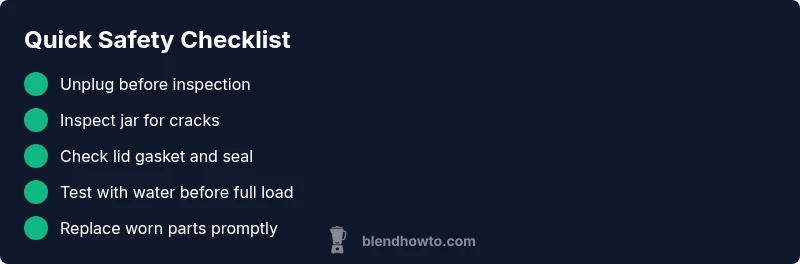
- Unplug before any inspection or part replacement.
- Inspect jars, lids, and seals for wear or damage.
- Avoid overfilling and blending hard items in large volumes.
- Test with water and small batches after any repair.
- If in doubt, replace parts or seek professional service.