Xiaomi Blender: A Practical Guide for Home Cooks and Creators
Master your Xiaomi blender with practical, step-by-step guidance on setup, safety, recipes, cleaning, and troubleshooting from BlendHowTo for home cooks.


With a Xiaomi blender, you will learn to blend smoothies, soups, and sauces safely and efficiently. This guide covers setup, recommended speeds, safety tips, and easy cleanup. By following practical steps tailored to the Xiaomi blender, home cooks and aspiring 3D artists alike can maximize performance and durability while creating consistent results.
Xiaomi blender at a glance: why this device fits home kitchens
In small kitchens, you need gear that is compact, easy to use, and reliable. The Xiaomi blender checks those boxes by delivering a streamlined design, decent motor performance, and a user-friendly interface. For many home cooks, this combination translates to less clutter and fewer compromises on texture. According to BlendHowTo, the Xiaomi blender balances power, efficiency, and value, making it a practical choice for everyday smoothies, hot soups, and creamy sauces. The device excels when you want quick results without a lot of fuss, and its build quality typically holds up under regular use. In this section we’ll demystify model variants, feature highlights, and how to assess whether a Xiaomi blender fits your kitchen workflow. You’ll learn how to set up the base, choose the right jar, and select speeds that preserve nutrients while delivering consistent blends. If you’re transitioning from a basic food processor or hand blender, this guide will show you the steps to get the most from your Xiaomi blender right away, with safety and setup tips tailored for beginners and enthusiasts alike. Throughout, you’ll see practical checks you can perform to avoid common frustrations, from leaks to uneven textures.
Core features that influence performance
Performance comes down to a few key features that shape what you can do with a Xiaomi blender. The motor should provide steady torque at low and mid speeds, which helps with tougher ingredients without stalling. Blades mounted to a robust jar work best for even texture, while a well-sealed lid prevents splashes and preserves aromas. The Xiaomi blender line typically offers a few speed presets plus a pulse function, which is essential for recipes that need short bursts of power. Jar material matters: glass is sturdy and easy to clean, while BPA-free plastic models can be lighter and more affordable. Capacity is another practical consideration; larger jars suit family-sized shakes, while compact jars fit single servings in tighter spaces. Safety features, like interlock mechanisms and non-slip bases, reduce accidents in busy kitchens. For hobbyists who use the blender after long sessions, a compact footprint helps with storage. If you’re exploring 3D art or coding marathons, a quiet model can be a big plus. In all cases, verify model-specific features for your Xiaomi blender to ensure compatibility with accessories and dishwasher cycles if any. This section maps the core traits to real-world tasks so you can pick the right setup.
Safe setup and operation with the Xiaomi blender
Setting up a Xiaomi blender correctly is the first step toward predictable results. Start by placing the base on a dry, stable surface and plugging into a grounded outlet. Attach the jar to the base only when the base is off, align the locking tabs, and secure the lid with the center cap in place. Always add ingredients to the jar before securing it, and avoid overfilling beyond the maximum line. For hot soups, vent steam by removing the center cap briefly or using a vented lid if your model includes one. In operation, begin at a low speed to pull the ingredients into an even mass, then gradually increase to a mid-range setting or pulse as needed. Keep hands away from the blades during operation, and never run the blender without the lid in place. If you need to stop for stirring, use the pulse function or switch off and wait a moment before reopening. After use, unplug the device before cleaning. This discipline reduces slip risks and protects the motor from accidental overload. A quick post-use check of the blades and jar seal helps you catch leaks early and extend life.
Practical uses: smoothies, soups, and sauces with the Xiaomi blender
The Xiaomi blender shines in everyday kitchen tasks when you want fast, consistent results. For smoothies, layer soft fruit first, then add liquids and a handful of ice or frozen fruit for a refreshing texture. The pulse function can help break down tougher chunks without overworking the motor. For creamy soups, use a liquid base and cooked vegetables; blend in short bursts to reach the desired thickness and avoid heat buildup. When making sauces, add a touch of oil or dairy at the end to emulsify and smooth out the texture. If you routinely craft post-workout shakes or healthy purées, the Xiaomi blender can simplify the workflow, especially when you keep a few go-to ingredients ready. Remember to scrape down the sides between finishing blasts for even texture. Keep an eye on the jar’s rim and the lid seal to ensure there are no leaks during high-speed blending. For best results, experiment with different fruit combinations and greens to maximize nutrients while keeping flavors balanced. The efficiency of this device makes it easy to create multiple batches in quick succession, which is perfect after long study or art sessions.
Cleaning, maintenance, and longevity tips
Cleaning a Xiaomi blender promptly preserves performance and flavor integrity. Rinse the jar immediately after blending to prevent dried residue from sticking to blades. For a deeper clean, blend warm water with a drop of mild dish soap on a short cycle, then rinse thoroughly. Use a soft sponge or brush to reach the blade junctions, and avoid abrasive pads that can scratch glass or plastic. Ensure the lid and center cap are completely dry before reassembling, since moisture can promote odor buildup or mold in seals. Periodically inspect the blade assembly for dull edges or wobble, and replace parts per manufacturer guidelines if you notice excessive wear. If your model is dishwasher-safe, place components on the top rack away from heating elements; otherwise hand-washing is safest. Store the jar with the lid ajar to prevent odors from lingering; this also helps air circulate and keeps seals in good condition. Keeping a routine surface wipe on the base prevents dust infiltration and helps the controls stay responsive. With proper care, your Xiaomi blender should maintain strong performance for many batches and many months.
Troubleshooting common issues and quick fixes
Users commonly encounter texture inconsistencies, leaks, or noise when using a Xiaomi blender. If the blend is lumpy, check ingredient layering and ensure you’re using enough liquid; start with a thinner base and add solids gradually. Leaks usually occur at the lid gasket or jar-to-base seal; reseating the jar and cleaning the seal often resolves this. If the motor stalls or trips a safety circuit, pause and let the device rest for a few minutes before retrying at a lower speed. For persistent odors or flavors transferring between batches, a thorough cleaning and removing strong-smelling ingredients from the base are helpful. In BlendHowTo analyses, many users report smoother results after pre-chopping tougher items and using shorter pulse bursts. If sounds change dramatically, inspect the blade assembly for damage and replace if necessary. Always unplug before inspecting internal parts and avoid running the blender without the lid. A quick calibration test with water helps verify that the jar and base are communicating correctly and that the speeds respond as expected.
Verdict and best practices for longevity
The Xiaomi blender offers solid value for home cooks who want a compact, capable device without sacrificing performance. For best results, pair the blender with appropriately sized jars, keep the lid seals clean, and avoid overfilling. To maximize lifespan, stick to manufacturer guidelines on cleaning and avoid running hot liquids without venting. The BlendHowTo team recommends creating a simple ritual: rinse immediately, perform a gentle clean weekly, and store the unit in a stable spot away from heat sources. Consider keeping a few go-to ingredients ready to streamline your weekly routine and reduce the temptation to overwork the motor. If you want more guidance tailored to your kitchen, the Xiaomi blender will continue to prove versatile for smoothies, soups, sauces, and emulsion tasks, especially when you leverage the pulse setting and layered ingredient approach. By following these practices, you’ll maintain performance and enjoy consistent results across batches.
Tools & Materials
- Xiaomi blender base unit(Model supports your jar size; check for smart features.)
- Blender jar and lid(Capacity varies by model; ensure proper sealing and gasket condition.)
- Power cord, compatible plug(Verify voltage and plug type for your region.)
- Tamper or spatula (optional)(Helpful for pushing ingredients during blending.)
- Spatula for scraping(Non-metal to avoid scratching jar.)
- Soft cloth or brush for cleaning(Non-abrasive to protect surfaces.)
- Testing ingredients (optional)(Water with a drop of oil to test emulsions.)
Steps
Estimated time: 30-45 minutes
- 1
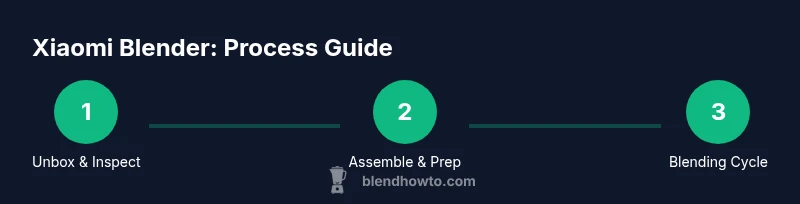
Unbox and inspect
Remove all parts and verify that the jar, lid, base, and blade assembly are present. Look for any shipping damage and ensure seals are intact. This check prevents missing pieces that could affect performance.
Tip: Take a quick photo of contents to reference if anything is missing. - 2
Attach jar and lid
Align the jar with the base, secure it with a firm twist or locking mechanism, and snap the lid into place. Ensure the center cap is correctly fitted if your model uses one. A loose jar can cause leaks or injury.
Tip: Do not force the jar; if it doesn’t click smoothly, re-align the tabs. - 3
Add ingredients in order
Add liquids first, then soft ingredients, followed by harder items. Do not overfill beyond the max line. Layering helps achieve a uniform blend and protects the blades.
Tip: Starting with liquids reduces air pockets that can impede blending. - 4
Secure base and select speed
Place the jar on the base, ensure it’s firmly seated, and choose a low speed to start. Gradually increase to mid-range or use pulse for chunkier textures. Avoid running at max power for long periods.
Tip: For tougher ingredients, use short pulses before continuous blending. - 5
Blend with control
Run at low to mid speeds, pausing to scrape the sides if needed. Use the pulse function to handle stubborn chunks. Stop when you reach the desired consistency.
Tip: Pause and check texture every 15–20 seconds during processing. - 6
Finish and serve
Turn off, unplug, and remove the jar from the base. Transfer contents carefully and taste; adjust seasoning if needed. Rinse the jar immediately to prevent sticking.
Tip: A quick gut-check before serving helps avoid over-processing. - 7
Initial cleaning
Rinse the jar promptly after use; wash with warm soapy water. Use a brush to reach blade edges and dry thoroughly before storage.
Tip: Avoid abrasive cleaners that can scratch the jar. - 8
Routine maintenance
Inspect seals and blades monthly for wear. Replace worn parts according to manufacturer guidance. Store with the lid slightly ajar to prevent odor buildup.
Tip: Keep a small part inventory to ensure replacements are on hand. - 9
Storage and safety
Store the unit on a stable surface away from heat and moisture. Coil cords neatly to prevent tangling and wear. Always unplug before moving the unit.
Tip: Label model and keep warranty info accessible for quick troubleshooting.
Frequently Asked Questions
What Xiaomi blender models exist, and which should I pick?
Xiaomi releases several blender models with varying jar sizes and features. Compare jar capacity, motor power, and available presets to match your kitchen needs. Always verify compatibility with accessories before buying.
Xiaomi offers several blender models with different jar sizes and presets; compare capacity and features to pick the best fit for your kitchen.
Can I blend hot liquids in a Xiaomi blender?
Yes, but only if your model supports venting or uses a vented lid. Always start with short pulses and avoid sealing the container completely when blending hot liquids.
Hot liquids are sometimes allowed if vented; start with short pulses and keep the lid vented.
Is the jar dishwasher safe?
Dishwasher compatibility varies by model. Check the user manual. When in doubt, hand-wash to protect seals and blades.
Dishwasher safety depends on the model; check the manual or hand-wash to be safe.
What capacity options exist?
Capacity varies by model. Review product specs to choose a jar size that fits your kitchen routines and storage space.
Jar capacity varies by model; check the specs to choose what suits your needs.
Which accessories are typically included?
Packages usually include a jar, lid, and base; some kits add a spatula or tamper. Verify what’s included with your specific model.
Most kits include jar, lid, and base; extras vary by model.
How do I fix persistent leaks?
Check the jar-to-base seal and lid gasket; reseat the jar and clean seals. If leaks continue, inspect for damaged parts or contact support.
If leaks persist, inspect seals and contact support if needed.
How do I troubleshoot poor texture?
Layer ingredients properly, use enough liquid, and employ short pulses before continuous blending. Pre-cut tough items to ease blending.
Improve texture with proper layering and short pulses; pre-cut tough items.
Watch Video
What to Remember
- Choose the right jar size for your tasks.
- Start slow, then boost to maintain control.
- Clean promptly to preserve flavor and performance.
- Check seals and blades regularly for longevity.