Immersion Blender Milkshake: Quick Guide
Learn to make a silky, customizable milkshake in minutes with an immersion blender. This guide covers ingredients, technique, texture tips, and troubleshooting for consistently creamy results.


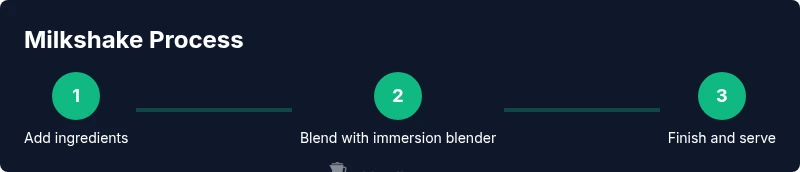
Using an immersion blender, you can whip up a silky milkshake in minutes. Gather 1 cup cold milk, 2 scoops vanilla ice cream, and your favorite mix-ins; use a tall, narrow blending jar and the blender blade. Blend in short pulses until smooth, then adjust thickness with more ice or milk.
Why immersion blender milkshake is a great quick option
Milkshakes don't have to be complicated. An immersion blender lets you blend directly in a glass or jar, cutting down cleanup and keeping flavor intensity high. This approach shines with cold ingredients, allowing you to adjust thickness and sweetness on the fly. The immersion blender milkshake is particularly appealing for single-serving experiments or small kitchens where bulky blenders are impractical. By mastering this method, you can craft creamy, restaurant-quality shakes in under five minutes.
Essential ingredients and equipment for best results
Start with a solid base: cold milk and ice cream form the foundation. Choose vanilla or chocolate ice cream depending on flavor goals, and select milk that suits your dietary needs. Flavorings like syrups, fruit, or cookies can elevate the shake. For equipment, the immersion blender, a tall blending jar, measuring cups, and a spoon set are essential. Optional items like a spatula for scraping, ice cubes for thickness, and serving glasses complete the setup. Keeping ingredients cold and measured helps you predict texture and reduces blending time.
Choosing the right container and blade for optimal blending
A tall, narrow jar minimizes splatter and keeps ingredients contained during blending. Look for a jar with at least one to two cup capacity. The blade should be sharp and securely attached; if your device offers variable speeds, start on low and increase gradually. The lid or a tight-fitting cap helps when blending in a busy kitchen. A glass or stainless steel container can also help you see texture as you blend.
Texture control: achieving the perfect thickness
Texture is a personal preference, but a good starting point is one cup of milk to two scoops of ice cream for a medium-thick shake. For a lighter shake, reduce ice cream or increase milk slightly; for a thicker shake, add one to two extra scoops ice cream or a few ice cubes. Blend in short pulses, stopping to check consistency every few seconds. If your shake separates, a brief re-blend after chilling helps restore smoothness.
Flavor variations and mix-ins for endless milkshake ideas
Experiment with base flavors by using different ice cream types—vanilla, chocolate, strawberry—and syrups like caramel, mint, or fruit puree. Mix-ins such as crushed cookies, toasted nuts, fresh berries, or banana slices add texture. For a dairy-free option, try coconut milk ice cream with almond milk or oat milk. Balance sweetness by adjusting the amount of syrup and ice cream. Finish with whipped cream or a cherry if desired.
Troubleshooting common issues
Lumps can appear if ice cream was too hard or the jar is crowded. Let ice cream soften slightly before blending, or pulse to break chunks gradually. Foamy tops happen when mixing air; a shorter blend and gentle pouring can reduce this. If the mixture looks grainy, stop and scrape the sides, then blend a few seconds longer. If it separates, re-blend briefly after adding a splash of milk.
Cleaning and maintenance after making milkshakes
Rinse the blending jar and blade immediately after use to prevent ice cream residue from hardening. Soapy water and a quick rinse are usually enough; if needed, disassemble the blade assembly for thorough cleaning, following manufacturer instructions. Dry all parts completely before reassembling. Regular cleaning prolongs blade life and keeps flavors from cross-contaminating future batches.
Safety and serving tips for home blenders
Always unplug the immersion blender before detaching blades or cleaning. Keep hands away from the blade edge and use a slow, controlled motion when blending near the top of the jar. Place the jar on a stable surface to minimize spills. Serve immediately and enjoy; for younger guests or picky taste buds, customize flavors in small batches.
Quick-start milkshake checklist
- Gather cold milk, ice cream, and desired mix-ins
- Set up a tall blending jar and immerse blender
- Add milk and ice cream, then blend in short pulses
- Check texture; adjust with more ice cream or milk if needed
- Add mix-ins, blend briefly, and serve immediately
Tools & Materials
- Immersion blender with blending blade(Ensure blade is sharp and clean; use variable speed if available)
- Tall blending jar or smoothie cup(2–3 cup capacity preferred; allows space for blending)
- 1 cup cold milk(Dairy or non-dairy; adjust for desired thickness)
- 2 scoops ice cream (vanilla or base flavor)(Softened slightly for easier blending)
- Flavor mix-ins (syrups, fruit, cookies)(Add after base blend for texture and taste)
- Measuring cups/spoons(Accurate portions help predict texture)
- Spatula (optional for scraping)(Useful if sides cling)
- Ice cubes (optional for thickness)(Add gradually if you want a thicker shake)
- Serving glasses (optional)(Chill glasses for a cooler serve)
Steps
Estimated time: 5-7 minutes
- 1
Gather ingredients and equipment
Place all ingredients and tools within easy reach. Have a tall blending jar, the immersion blender, measuring cups, and spoons ready. This upfront setup reduces interruptions and helps you blend quickly once you start.
Tip: Arrange everything before you start to keep the process smooth. - 2
Soften ice cream briefly
Let ice cream sit at room temperature for 3–5 minutes until scoopable. Softer ice cream blends more evenly, reducing chunks and enabling a creamier result.
Tip: If you’re in a hurry, short microwave bursts (5–8 seconds) work, but watch for melting. - 3
Add milk and ice cream to jar
Pour 1 cup cold milk into the tall jar, then add 2 scoops ice cream. This base ratio balances creaminess and drinkability.
Tip: Measure precisely to predict texture. - 4
Attach blender and start on low
Insert the immersion blender into the jar and turn it on at the lowest speed. Give the base mix a quick 10–15 second blend to start breaking up ice cream.
Tip: Keep the blender blade fully submerged to prevent splashes. - 5
Blend until smooth
Gradually increase to medium speed and blend until smooth and uniform, pausing to scrape sides if needed. This ensures no ice chunks survive.
Tip: Use short pulses if your jar is small to avoid overflows. - 6
Add flavor mix-ins and pulse
Add your chosen mix-ins and give a brief pulse until incorporated but still textured.
Tip: Don’t over-blend after adding mix-ins to preserve crunch. - 7
Adjust thickness and finish
If too thick, splash in a little milk and blend a few seconds; if too thin, add more ice cream and blend again. Let it rest briefly for a smoother texture.
Tip: Let the shake rest 15–30 seconds to settle foam. - 8
Serve and enjoy
Pour into a glass, optionally garnish, and serve immediately.
Tip: Wash the jar while the shake is still fresh to prevent hard residue.
Frequently Asked Questions
Can I use non-dairy milk for an immersion blender milkshake?
Yes. Non-dairy milks can work well, but texture may vary. If using a lower-fat milk, consider a bit more ice cream or a touch of coconut cream for creaminess.
Yes, you can use non-dairy milk. You may need a little extra ice cream or cream to keep the shake rich.
What is the best milkshake thickness when using an immersion blender?
Start with a 1:2 milk-to-ice-cream ratio for a medium shake. Adjust by adding more ice cream for thickness or more milk for a lighter texture.
Begin with a 1 to 2 ratio of milk to ice cream and tweak to taste.
Can I make a hot milkshake with an immersion blender?
Immersion blenders are not ideal for hot liquids due to splatter risk. Cool ingredients slightly or blend in batches with cold ingredients.
Blending hot milkshakes isn't recommended; let ingredients cool a bit first.
How do I clean the immersion blender after a shake?
Rinse the jar and blade immediately after use, wash with warm soapy water, and dry thoroughly. Disassemble only if your model allows.
Rinse, wash with warm soap, and dry the parts well after blending.
Is it safe to blend ice directly with the immersion blender?
Yes, in small quantities. Start with crushed ice or small cubes and blend in short pulses to avoid overloading the motor.
Small amounts of ice blend well when pulsed, not continuously.
What if my shake is foamy or airy?
Foam is normal from air incorporation. Blend a bit longer on low, then rest before serving to settle the foam.
If it’s too foamy, blend a touch longer on low and let it rest a moment.
Watch Video
What to Remember
- Use a tall jar and cold ingredients for smoother texture.
- Blend in short pulses to control thickness.
- Customize with mix-ins for flavor variety.
- Clean promptly to extend blade life.