How to Make Ice Cream in a Blender: Easy Guide for Beginners
Learn a simple blender-based method to make creamy ice cream at home. This BlendHowTo guide covers ingredients, step-by-step actions, and dairy and dairy-free flavor ideas for delicious results.


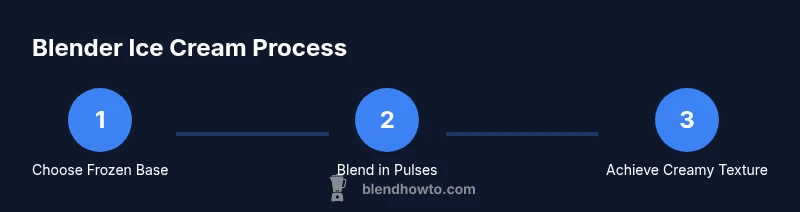
Yes, you can make creamy ice cream in a blender. Start with frozen fruit or a dairy base, add a splash of milk or cream, and blend in short bursts until smooth. For best texture, keep ingredients very cold, blend in pulses, and avoid over-blending to prevent a slushy result. Flavor with vanilla, cocoa, or fruit.
Why frozen ingredients create creamy texture
Creamy texture in blender ice cream comes from cold base and fat content that prevent ice crystals from forming. When you start with frozen fruit or pre-chilled ice cream base, the blender breaks the solid pieces into a smooth emulsion. Bananas are a popular natural thickener because their natural sugars and fiber help create body without egg yolks. For dairy-based bases, a mix of milk or cream provides fat that coats the tongue. Plant-based milks vary: coconut milk tends to be richer, almond milk lighter, and oats somewhere in between. If your base is too watery, you won't achieve creaminess; using yogurt or a small amount of cream helps. Chill the blender jar ahead of time or run a quick 30-second pre-blend with nothing in it to keep temperatures low. The goal is to avoid heat generation during blending, which can melt fats and spoil texture. Finally, plan to use small batches if your blender is underpowered; overloading leads to uneven texture.
Choosing ingredients for blender ice cream
The quality of your blender ice cream starts with the ingredients. Use a frozen base (fruit, banana, yogurt, or a dairy-free alternative) and a cold liquid to improve texture. For dairy bases, choose whole milk or cream for richness; for dairy-free, coconut milk offers creaminess, while almond or oat milks keep things lighter. Flavorings like vanilla extract, cocoa powder, or fruit puree add depth without introducing extra water. If you need extra sweetness, consider a small amount of sugar, honey, or maple syrup, but taste as you go since frozen bases can be naturally sweet. Keep mix-ins light to avoid overloading the blender, which can hinder blending performance.
Base ideas: dairy and dairy-free options
Dairy-based bases deliver richer, creamier results due to fat content. A classic approach uses a banana base plus milk for body, but a straight dairy milk with a dash of cream can also yield a scoopable texture when frozen. For dairy-free options, coconut milk provides mouthfeel similar to dairy, while oat milk offers a neutral canvas for flavors. You can also blend plain yogurt for tang and extra protein. Each base behaves a bit differently in a blender—expect softer texture with almond milk and creamier results with coconut or full-fat dairy. Adjust sweetness carefully, since some bases are naturally sweet.
Flavor ideas and mix-ins
Flavor is where blender ice cream really shines. Start with a sweet base, then add vanilla, cocoa, or fruit purees. For mix-ins, fold in chocolate chips, crushed cookies, swirls of peanut butter, or strawberry puree after you reach a creamy texture. For a vegan option, add cocoa powder and a touch of coconut cream. You can also create themed flavors like moka (coffee + chocolate) or tropical mango with a hint of lime. Remember: add mix-ins after blending to keep texture from becoming too dense or icy.
Texture, mouthfeel, and sweetness balance
Texture is the name of the game with blender ice cream. Achieving scoopable creaminess depends on cold ingredients, a touch of fat, and proper blending. If the mixture tastes icy, add a little more milk or cream and blend in short bursts. If it’s too soft, transfer to a freezer-safe container and chill for 20-60 minutes. Sweetness should be balanced; many frozen bases taste sweet enough, so add sugar gradually if needed. A small pinch of salt can enhance flavor and round out sweetness. Finally, let the ice cream rest briefly after blending to settle any air pockets and improve texture.
Safety, cleanliness, and equipment care
Always start with a clean blender and ingredients. After use, wash blades carefully and dry thoroughly to prevent rust or odor buildup. If your blender has a sticky residue from dairy or fruit, soak the jar in warm soapy water for a few minutes before washing. Do not blend hot liquids, which can cause splatter and damage the blender. Store any leftovers in a sealed container in the freezer, and handle carefully when scooping to avoid temperature shocks that could crack the container.
Tools & Materials
- Blender(High-powered blender (600-1500W) preferred for smooth results)
- Frozen base(Frozen fruit, bananas, or pre-chilled base depending on recipe)
- Milk or cream (dairy or plant-based)(Use to adjust creaminess; dairy will be richer)
- Sweetener (optional)(Sugar, honey, or maple syrup; adjust to taste)
- Flavorings (vanilla, cocoa, fruit purée)(Essential for depth of flavor)
- Spatula(For scraping and leveling ingredients)
- Measuring cups/spoons(Accurate ingredient ratios help texture)
- Freezer-safe container(For firm texture if you plan to freeze)
Steps
Estimated time: 25-40 minutes
- 1
Chill and prepare ingredients
Gather your frozen base (fruit or banana) and cold liquids. If using fresh produce, chill it first or pre-freeze for best texture. Measure flavorings and set out sweeteners so everything is ready to blend in one smooth process.
Tip: Pre-chill the blender jar if possible to keep the mix cold during blending. - 2
Add ingredients to blender
Place the frozen base and liquid into the blender. Add any flavorings and sweeteners. Do not fill the blender above its max capacity; blending in batches may be necessary for older or smaller models.
Tip: If your blender struggles, blend in short bursts and pause to scrape down the sides. - 3
Pulse to begin breaking chunks
Use short pulses to break apart large frozen pieces. Scrape the sides to encourage even blending. If your blender has a tamper, use it to push lumps toward the blades without adding extra liquid.
Tip: Starting with pulsing helps avoid overheating and uneven texture. - 4
Blend until creamy
Continue blending until the mixture becomes smooth and creamy, similar to soft-serve. Pause to scrape as needed and check texture. Add a splash more liquid if it seems too thick.
Tip: If texture is grainy, blend for a few extra seconds in short bursts. - 5
Taste and adjust flavor
Taste the mixture and adjust sweetness or flavor intensity. If using dairy-free bases, a hint of salt can enhance perception of flavor. Consider adding a little more vanilla, cocoa, or fruit purée to taste.
Tip: Remember: the flavor can intensify slightly after freezing. - 6
Freeze or serve immediately
If you want scoopable ice cream, transfer to a freezer-safe container and chill for 20-60 minutes. For soft-serve, serve right away. If you prefer very firm ice cream, you can freeze longer, but it may be harder to scoop.
Tip: Soft-serve texture is perfect for toppings and quick desserts.
Frequently Asked Questions
Can a blender replace an ice cream maker?
Yes, a blender can approximate ice cream texture by using frozen bases and cold ingredients. Expect a softer finish unless you freeze briefly after blending.
Yes. A blender can approximate ice cream texture, especially for quick desserts, but you may get a softer result unless you firm it in the freezer after blending.
Can I use non-dairy milk?
Absolutely. Almond, soy, oat, or coconut milks work well. Texture may vary by base, so you may need a touch more fat or cream to get richness.
Non-dairy milks are fine; you might notice slight texture differences, so adjust with a bit of coconut cream or extra frozen base if needed.
Texture: soft vs scoopable?
Blender blends yield soft-serve texture right away. For scoopable ice cream, chill the blended mix 20-60 minutes or add a bit more fat and freeze longer.
Expect soft-serve texture after blending; for scoops, chill longer or freeze briefly to firm up.
Do I need eggs?
Eggs are not required for this method. Blender ice cream uses frozen bases and fat from milk or cream; eggs are only needed for traditional churned custard-based ice cream.
No eggs needed here; this method relies on frozen ingredients and fats to create creaminess.
Freeze time after blending?
Transfer blended mix to a container and freeze for 20-60 minutes for a firmer scoop. Longer freezing yields a traditional ice cream texture, though it will be harder to scoop straight from the freezer.
Freeze 20-60 minutes for a firmer texture; longer freezes will be harder to scoop.
What mix-ins work best?
Fold in mix-ins after blending to keep texture intact. Try mini chocolate chips, cookie crumbles, or fruit swirls; avoid large chunks that won’t blend well.
Fold in chocolate, cookie pieces, or fruit swirls at the end to keep texture pleasant.
Watch Video
What to Remember
- Use a frozen base and cold liquid for creamy texture
- Blend in short bursts and scrape for even texture
- Experiment with dairy and non-dairy bases for variety
- Chill briefly after blending for scoopable consistency