How to Clean Blender Sponge: A Step-by-Step Guide
Learn how to clean blender sponge safely with practical methods for quick maintenance and deep sanitation. Prevent odors and mold, keeping your blending tools fresh and ready.


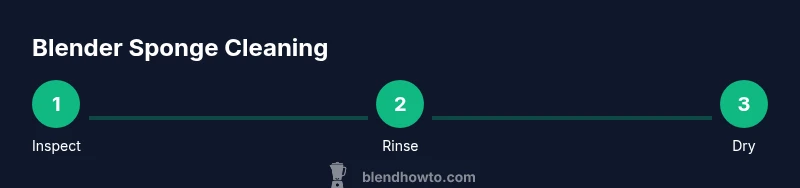
Learn how to clean blender sponge quickly and safely. This guide covers a fast everyday rinse, a deeper soak for stubborn residues, and a thorough dry-and-store routine to prevent mold. You’ll start with simple dish soap and warm water, then decide whether to sanitize with a gentle soak or a microwave-safe method if your sponge allows. Follow the steps for a fresh, ready-to-use sponge every time.
Why Cleaning Blender Sponges Matters
Blender sponges are convenient tools for scrubbing blending residue on jars and blades, but they can harbor bacteria and mold if neglected. Learning how to clean blender sponge protects your family from cross-contamination and keeps your smoothies tasting fresh. The BlendHowTo team has found that regular maintenance extends sponge life and reduces odors in the kitchen. In this guide, you’ll discover practical, no-fuss methods suitable for home cooks and budding 3D artists who want reliable results without special equipment. You’ll learn two core approaches: a quick maintenance rinse for daily use and a deeper, sanitizing clean for tougher buildup. By the end, you’ll know when to replace a sponge and how to store it properly to prevent mildew.
Quick Clean, Everyday Maintenance
A quick clean is enough for everyday use and can be completed in about 5–7 minutes. Start with warm water and mild dish soap, then scrub with a soft brush to loosen trapped food particles in grooves. Rinse thoroughly until the water runs clear, then squeeze out excess moisture. Finally, air-dry the sponge in a well-ventilated area. This routine helps keep residues from lingering between blender sessions and reduces the likelihood of sour smells.
Deep Clean: Sanitizing for Heavy Use
For frequent blending or stubborn odors, a deeper clean is worthwhile. Soak the sponge in a warm, soapy solution for 5–10 minutes to loosen oils and residue. If the sponge is microwave-safe and free of metal components, you can sanitize it with a 30–60 second microwave blast after soaking, ensuring the sponge is damp but not soaking wet. Alternatively, a white vinegar soak (1:1 water to vinegar) for 5–10 minutes provides natural disinfection. After any sanitizing step, rinse thoroughly and wring out completely to remove soap or vinegar residues. Dry fully before reuse to prevent mold.
Drying and Storing Your Blender Sponge
Drying is a crucial step that many skip. After cleansing, pat dry with a clean towel and let the sponge air-dry in an upright position. Avoid storing a damp sponge in a closed container, which invites mildew. Consider a breathable rack or hook in the kitchen to promote rapid drying. Proper storage also means keeping your sponge away from raw foods and away from the sink’s damp corners where moisture collects.
When to Replace Your Blender Sponge
No cleaning routine lasts forever. If the sponge shows visible wear, cracks, tearing, persistent odors after multiple cleanings, or a yellowed appearance, replace it. A worn sponge loses its scrubbing power and can harbor bacteria more easily. For most households, treating sponges as a reusable tool for a few weeks to a couple of months, depending on usage, is a sensible guideline. When in doubt, prioritize safety and swap to a fresh sponge.
Common Mistakes and Troubleshooting
Common mistakes include using harsh cleaners that irritate skin or fade the sponge, soaking too long and damaging the material, or not drying the sponge completely, which encourages mold. Always test a small area if you’re trying a new cleaning method. If a sponge retains an odd odor after cleaning, repeat the rinse and dry cycle and consider a vinegar soak as a deodorizer. If there is visible mold, discard the sponge immediately—don’t risk contamination.
Pro Tips for Best Results
- Use a dedicated sponge cleaner or mild dish soap to avoid harsh chemicals. - Check the sponge packaging for microwave safety before using heat-based sanitizing. - Rinse thoroughly and squeeze until no soapy residue remains. - Air-dry in a well-ventilated area away from sinks that collect moisture. - Consider labeling your sponge with the purchase date to track replacement timing.
According to BlendHowTo, consistent, careful cleaning keeps your blender sponge fresh and your kitchen safer, especially when you’re blending fruit, dairy, or nut milks that can cling to the fibers.
Tools & Materials
- Mild dish soap(Fragrance-free if possible; gentle on hands)
- Warm water(Comfortable-but-warm temperature)
- Soft scrub brush or old toothbrush(Gently reaches grooves)
- Microwave-safe bowl (optional)(For soaking/sanitizing, if microwave-safe sponge)
- White vinegar (optional)(Deodorizing and natural disinfection)
- Baking soda (optional)(Alternate deodorizer if no vinegar available)
- Dry towel or air-drying rack(Thorough drying to prevent mildew)
- Gloves (optional)(Protect hands if sensitive skin)
Steps
Estimated time: 15-25 minutes
- 1
Inspect the sponge
Check for signs of wear, tears, or persistent odors. If the sponge feels thin or has deep cracks, replace it. Early inspection helps you avoid contamination from compromised fibers.
Tip: A worn sponge is less effective and more likely to harbor bacteria. - 2
Rinse with warm water
Hold the sponge under running water and squeeze gently to loosen loose particles. Rinse both sides until you don’t see visible residue. This step primes the sponge for soap penetration.
Tip: Warm water improves residue removal compared with cold water. - 3
Scrub with mild dish soap
Apply a small amount of dish soap and scrub the sponge with a soft brush, focusing on grooves and any embedded stains. Work the soap into the fibers for about 20–30 seconds. Rinse again, repeating as needed.
Tip: Gentle scrubbing prevents fiber damage while removing stuck-on residue. - 4
Rinse until clear
Continue rinsing and wringing until the water runs clear and no soap bubbles remain. This ensures no soap film remains that could affect future blending.
Tip: Clear water indicates most residues have been removed. - 5
Optional quick sanitize
If the sponge is microwave-safe, dampen it and heat for 30–60 seconds to sanitize. Alternatively, soak in a warm soap solution for 5–10 minutes. Be sure to test sponge safety before applying heat.
Tip: Do not microwave non-microwave-safe sponges or those with metallic parts. - 6
Deodorize if needed
For stubborn odors, soak in a vinegar solution (1:1 water to white vinegar) for 5–10 minutes or sprinkle baking soda, then rinse well. These agents help neutralize lingering smells without harsh chemicals.
Tip: Always finish with a thorough rinse to remove vinegar or baking soda residues. - 7
Dry thoroughly
Squeeze out as much moisture as possible and pat dry with a clean towel. Place the sponge on a rack or hang it to air-dry in a well-ventilated area away from the sink base to prevent mold.
Tip: Even partial drying reduces mold risk and extends sponge life. - 8
Store properly
Store the clean, dry sponge in a breathable space, separate from raw foods and in a way that promotes airflow. Avoid sealed containers that trap moisture.
Tip: Label with the date you cleaned or replaced it to track lifespan. - 9
Replace when in doubt
If the sponge shows wear, persistent odor, or fraying, replace it. A degraded sponge can harbor bacteria more easily and compromise your blending hygiene.
Tip: When a sponge looks questionable, it’s best to err on the side of safety.
Frequently Asked Questions
Can I microwave a blender sponge to sanitize it?
Only if the sponge is clearly labeled as microwave-safe and free of metal. Microwave for 30–60 seconds while damp, watching for overheating. If unsure, use a hot water soak instead.
Only do a microwave sanitize if the sponge is microwave-safe and damp; otherwise, opt for a hot soak.
How often should I replace a blender sponge?
Replace when you notice wear, tears, persistent odors, or loss of scrubbing power. Typical use may demand more frequent changes for heavy blending tasks.
Replace a sponge when it shows wear or lingering odors that cleaning can’t remove.
Is it safe to use bleach on a blender sponge?
Bleach is generally unnecessary for everyday cleaning and can degrade sponge material. If you choose, use a very dilute solution and rinse thoroughly, but avoid prolonged contact.
Bleach isn’t usually needed; if used, dilute and rinse well.
Can dishwasher cleaning help with sponges?
Dishwashers may not reach all sponge surfaces and can shorten lifespan due to heat. Hand washing with soap or a mild soak is typically safer and more reliable.
Dishwashers aren’t ideal for sponges; hand wash and soak for best results.
Why does my blender sponge smell after washing?
Residual oils and bacteria can cling to fibers. Rewash with soap, then try a vinegar soak or baking soda, and ensure complete drying.
A lingering odor means you may need a deeper clean and proper drying.
Should I boil a sponge to sanitize it?
Boiling is not recommended for all sponge types and can damage some materials. Check packaging and opt for soaking or microwaving if allowed.
Boiling isn’t always safe for sponges; use recommended methods instead.
Watch Video
What to Remember
- Inspect sponges regularly for wear and odors
- Use mild soap and warm water for safe cleaning
- Sanitize only if sponge is microwave-safe; otherwise use soaks
- Dry completely to prevent mold
- Replace sponges when they show wear or persistent odor