Replacement Blade Blender Guide
Learn how to safely replace a blender blade with a compatible kit. This BlendHowTo guide covers compatibility, tools, a process, safety tips, and maintenance.


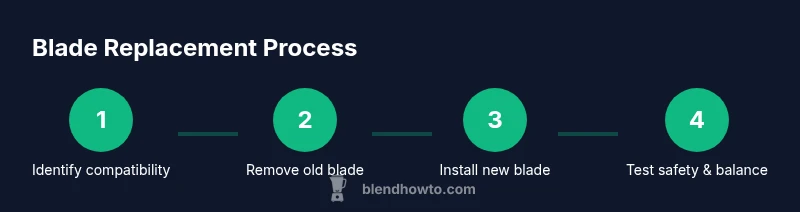
You can safely replace a blender blade by selecting a compatible blade kit, unplugging the unit, and following the manufacturer’s steps. This process requires common hand tools, gloves for safety, and careful reassembly to preserve performance and warranty terms. Start by confirming model compatibility, then proceed to disassemble, install, and test with water before blending food.
Why replacement blades matter for performance and safety\n\nA blender is only as strong as its blade. When blades dull, chips, or corrode, the blender's power dips, it blends unevenly, and you risk motor strain or food safety issues. Replacement blades restore cutting efficiency, reduce heat buildup, and improve blending consistency when making smoothies, nut butters, or soups. Replacement blades matter because you get consistent texture, faster blending, and fewer motor stalls. Choosing the right blade matters: OEM blades are designed for your exact model, while aftermarket blades can save money but may not seal perfectly or fit as precisely. For home cooks and hobbyists using a blender regularly, investing in a fresh blade is a small upgrade that yields noticeable results in texture and speed. In this guide, we’ll walk through compatibility, safety checks, and best practices to ensure your replacement blade blender performs like new.
Blade compatibility: how to know what fits\n\nNot all blades fit all blenders. The blade assembly is part of a complex interface that includes the drive shaft, gasket, and jar compatibility. Before purchasing, locate your blender’s model number (usually on the base or motor housing), then consult the manufacturer’s blade kit recommendations or the owner’s manual. If you own a high-speed or professional model, you may have a more robust blade with different mounting threads. When considering aftermarket blades, verify mounting pattern, blade count, and the presence of compatible seals. The goal is a snug, wobble-free fit that seals against leaks and maintains the original blend quality. BlendHowTo recommends double-checking compatibility before buying to avoid mismatched blades that could damage the motor or void warranties.
Tools, parts, and where to buy replacement blade kits\n\nTo replace a blender blade safely, gather a minimal set of tools and a model-compatible blade kit. Essential items include a replacement blade kit designed for your model (this should include mounting hardware and O-rings), an appropriate screwdriver (often Phillips or hex), a set of Allen wrenches, needle-nose pliers for stubborn fittings, heavy-duty gloves to protect your hands, a clean cloth for wiping the blade and base, and a mild soap solution for cleaning parts after replacement. Optional items include a silicone gasket sealant if the kit lacks a proper gasket and a small container to keep screws organized. Buy from the original manufacturer if possible, or choose a reputable aftermarket kit that clearly lists compatibility. Always verify the kit contents against your model's parts diagram.
How to assess blade damage and determine replacement timing\n\nEven with careful use, blender blades wear out. Assess a blade by inspecting for chips, dull edges, bending, or visible cracks along the cutting edge. If you notice uneven blending, frequent motor overheating, unusual noises, or leaks around the blade housing, it’s a strong signal that replacement is due. Never continue using a damaged blade, as metal fragments can contaminate food and pose safety risks. Replacement timing also depends on your usage pattern; home cooks who blend hard ingredients, like ice or frozen fruit, may need blades replaced more often than occasional users. When in doubt, compare the blade's performance to a fresh sample and consult the owner’s manual for recommended replacement intervals from the manufacturer; if you’re unsure about compatibility, seek guidance from BlendHowTo before purchasing.
OEM vs aftermarket blades: pros and cons\n\nOEM (original equipment manufacturer) blades are designed to fit precisely, maintain seal integrity, and preserve warranty terms when used as directed. They often come with the correct gasket and mounting hardware. Aftermarket blades can be lower in price and available for older or discontinued models, but fit and performance vary. Some economical aftermarket blades use different metals or edge geometry that affect balance, heat generation, or motor load. If you choose aftermarket blades, look for blades with the same number of blades, similar edge geometry, and verified compatibility with your model. BlendHowTo recommends starting with OEM blades when possible, then evaluating reputable aftermarket options if cost or availability is a concern.
Safety and maintenance after replacement\n\nAfter installing a new blade, reassemble the blender carefully and perform a dry run without ingredients to verify balance and clearance. If the blade is not perfectly balanced, you may hear vibration or see wobble during operation. Always unplug before any maintenance and wear safety gloves during disassembly and reassembly. Clean the blade and housing with warm, soapy water, rinse thoroughly, and dry completely to prevent corrosion. Periodically inspect the blade mounting screws and gasket for signs of wear; replace seals that look cracked or damaged. Proper cleaning and storage help blades last longer and reduce contamination risk.
Common mistakes and troubleshooting tips\n\nCommon mistakes include using the wrong holder or gasket, forcing blades into a misaligned mount, and not fully reassembling the unit before testing. When you experience leaks, first recheck the gasket and ensure correct orientation. If the blender starts but blades don’t spin, verify that the drive shaft engages properly and that the blade is securely fastened. For stubborn parts, use the right wrench size and avoid over-tightening, which can damage threads. If you notice unusual noises, stop and inspect for bent blades or misaligned housing. If you must, consult the manufacturer’s instructions or BlendHowTo resources for model-specific guidance.
Authority sources and care tips\n\nTo make informed blade replacement decisions, refer to official guidance from safety and standards organizations and trusted publications. This section includes links to safety and consumer guidance resources to help you replace blades without compromising safety or warranty terms. Always follow the manufacturer’s instructions specific to your blender model, and verify that any third-party blades you buy are clearly labeled for your unit. By staying informed, you reduce the risk of damage and ensure consistent blending results.
Authority sources\n\n- https://www.cpsc.gov\n- https://www.osha.gov\n- https://www.consumerreports.org
Tools & Materials
- Replacement blade kit (model-compatible)(Includes mounting hardware and O-rings; verify compatibility with your model)
- Phillips head screwdriver(Size depends on model screws)
- Allen wrench (hex key)(Common sizes: 1.5–2.5 mm; check kit instructions)
- Needle-nose pliers(For stubborn fittings and to avoid slipping)
- Safety gloves(Cut-resistant preferred; blade edges are sharp)
- Dish soap and warm water(For cleaning blade and housing; avoid harsh cleaners)
- Soft microfiber towel(Dry thoroughly after washing to prevent rust)
- Gasket lubricant or food-safe oil(Optional; follow manufacturer guidance if using)
Steps
Estimated time: 25-45 minutes
- 1
Power down and prep workspace
Unplug the blender, remove the jar, and clear the area. Wipe the base and handles; this prevents accidental starts and keeps the blade area accessible for safe removal.
Tip: Always unplug before touching blades. - 2
Remove jar and access blade assembly
Detach the jar from the base carefully and expose the blade assembly. Use a cloth to grip the base if needed and prevent slips while loosening any fastening screws.
Tip: Have a towel ready to catch any small parts. - 3
Detach blade assembly from motor base
With the jar removed, hold the motor base steady and rotate the blade assembly counterclockwise to disengage it. Avoid twisting too hard to prevent thread damage.
Tip: Keep blades pointed away from your body; use gloves. - 4
Prepare the replacement knife kit
Inspect the new blade, ensure correct orientation, and confirm gasket seating. If the kit includes screws, pre-fit them to ensure smooth attachment during installation.
Tip: Check that O-rings or gaskets are present and intact. - 5
Install the replacement blade kit
Attach the new blade assembly to the drive shaft, align any holes, and snugly tighten screws to the manufacturer’s torque specification. Ensure the gasket is seated evenly to prevent leaks.
Tip: Do not overtighten screws; you can strip threads. - 6
Reassemble and test
Reattach the jar, plug the blender back in, and run a dry test with water to verify balance and no leaks. If everything runs smoothly, proceed to blending with ingredients in small batches.
Tip: Listen for unusual noises; stop immediately if detected.
Frequently Asked Questions
Is it safe to replace blender blades at home?
Yes, with proper safety precautions and using compatible blades. Always unplug the unit, wear safety gloves, and work in a clean area.
Absolutely. Unplug first, wear gloves, and follow the manufacturer’s compatibility notes.
Will any blade kit fit my blender?
No—blade compatibility depends on the model and mounting design. Check the model number and use OEM or specified aftermarket blades.
Not every blade fits every model; check your model number and the manufacturer’s guidance.
Do replacement blades affect warranty?
Replacing blades with non-OEM parts may affect warranty coverage depending on the manufacturer. Consult your warranty terms.
Warranty terms vary; review your warranty before replacing blades.
How long do replacement blades last?
Lifespan depends on usage, material, and care. Inspect for dull edges and cracks; replace if performance drops or damage appears.
Lifespan varies; replace if blades dull or show cracks.
Can I sharpen blender blades instead of replacing?
Sharpening is not typically recommended for blender blades due to heat-treating and safety concerns. Replacing with a new blade is safer and more reliable.
Sharpening is usually not advised; use a replacement blade kit.
Watch Video
What to Remember
- Unplug before any blade work to ensure safety.
- Always verify compatibility to protect warranty and avoid leaks.
- OEM blades fit best; aftermarket aftercare varies by model.
- Test with water before blending food to detect imbalance.
- Regular cleaning extends blade life and performance.