Ice Cream Blender Guide: Creamy Treats at Home
Learn how to pick, use, and maintain an ice cream blender to craft creamy, scoopable frozen desserts at home. Practical features, safety tips, and a step-by-step approach for texture, flavor, and maintenance.


Understanding the ice cream blender landscape
An ice cream blender is more than a standard smoothie blender. It is designed to handle frozen-ingredient blending, which requires resilient blades, a sturdy jar, and motor resilience. There are several common configurations home cooks encounter: traditional high-speed blenders, specialized blenders with built-in cooling or pre-chill capabilities, and immersion blenders used with a tall container. Each type presents tradeoffs in motor power, blade design, jar material, and noise level. For those aiming to recreate store-quality ice cream, match batch size to jar capacity, verify that blades can cut through frozen solids, and confirm whether pre-freezing or pre-chilling is recommended. According to BlendHowTo, starting with small test batches helps you dial in sweetness, fat content, and texture preferences without wasting ingredients. This practical approach sets you up for success when you scale up to larger, more ambitious flavors.
Essential features to look for in an ice cream blender
When shopping for an ice cream blender, prioritize durability and flexibility. Look for a motor that feels steady under load and a jar that resists cracking from cold temperatures. A blade assembly that stays sharp after repeated freezing cycles is valuable. Features to consider include:
- Variable speeds and a pulse function for control over texture
- A container that can be fully sealed to prevent leaks during high-speed blending
- Compatibility with pre-chilling or built-in cooling options
- Dishwasher-safe parts for easy cleanup
- Overload protection and secure lid locks for safety
- A wide, stable base to minimize vibration
These features help you achieve a creamy, scoopable ice cream texture rather than a slushy or icy result. BlendHowTo emphasizes choosing a model that fits your batch size and cleanup routine, since a difficult cleanup often discourages experimentation with new flavors.
Base recipes and texture guidelines
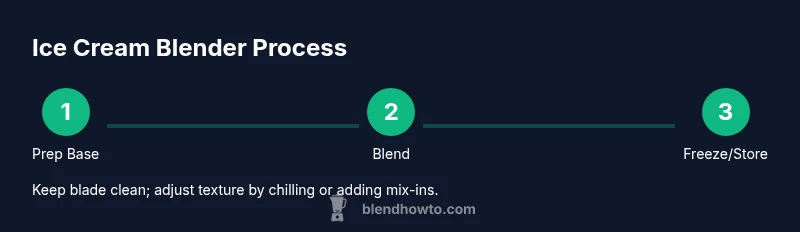
Creating a good ice cream base in a blender starts with balancing dairy fat, flavorings, and sweeteners while accounting for air incorporation. A typical home-based base uses a creamy dairy ratio and a touch of stabilizer or emollient to improve scoopability. Start with a cold base and blend in short bursts to manage texture. After blending, check for a smooth, thick consistency similar to soft-serve. If you need a firmer texture, transfer to a freezer-safe container and chill for a bit longer. Small adjustments—such as adding a natural sweetener to taste or tweaking vanilla intensity—can dramatically affect mouthfeel. Remember to pause the blender and scrape down the sides to avoid pockets of unmixed liquid. The goal is a uniform, creamy body with minimal ice crystals, made possible by a patient, controlled blending process.
Flavor ideas and mix-ins
Ice cream blender recipes excel when you mix traditional flavors with playful add-ins. Classic vanilla or cocoa bases pair with mix-ins like roasted nuts, swirls of fudge, or fruit purées. To keep a smooth texture, add delicate additions toward the end of the process rather than at the beginning. Great ice cream blender flavors include coffee with chocolate chips, strawberry-basil, salted caramel with pretzel bits, and mango-lassi style blends. If you want a dairy-free option, consider coconut milk or almond milk bases and pair with fruit purées. The key is to balance sweetness and acidity, so taste as you go and adjust accordingly. With the right technique, your ice cream blender yields rich, scoopable frozen desserts that delight friends and family.
Safety, cleaning, and maintenance
Regular maintenance is essential to preserve texture and performance over time. Always unplug before cleaning and disassemble removable parts according to the manufacturer’s guidance. Rinse blades with warm water to remove dairy and flavor residues, then use a mild detergent for a thorough cleaning. Dry all parts completely before reassembling. Inspect gaskets for wear and replace as needed to prevent leaks. If you notice odd noises or reduced blending efficiency, check the blade alignment and motor housing for debris. Store the blender with the jar removed from the base to avoid pressure on seals. A clean, well-maintained blender reduces cross-contamination and prolongs the life of your ice cream experiments.
Troubleshooting common issues
- Icy, gritty texture: this usually means the base wasn’t cold enough or the blender struggled with ice crystals. Try chilling the base longer, or blend in shorter bursts with a mid-cycle pause to allow heat to dissipate.
- Uneven mix or chunks: stop and scrape the sides, then blend again at a lower speed before raising the speed for a final mix.
- Leaking or container issues: check that the lid is securely locked and that the gasket is intact. If leaks persist, inspect the jar for cracks and consider replacement parts.
- Overheating motor: give the motor a short rest, then resume in shorter intervals. Avoid running the blender continuously for long periods.
- Off flavors after blending: clean the blades and blades housing thoroughly to remove residual oils or dairy scents that can taint future batches.
Advanced techniques for smoother texture
For ultra-smooth ice cream, introduce a controlled cooling regime: chill the base overnight if possible and perform a final churn after a brief freezer rest. Consider adding a small amount of emulsifier like lecithin or a natural stabilizer to improve body and reduce ice crystal formation. If you enjoy a lighter texture, try a higher air incorporation by running the blender in shorter, more frequent bursts and briefly pulsing during the mid-blend phase. Flavor depth improves with slow, deliberate flavor additions—espresso powder dissolved in a bit of hot water, cocoa, vanilla bean paste, or fruit purée swirls can elevate the final result. Always taste and adjust sweetness before freezing for best results.
Using accessories and add-ins
Customize your ice cream blender experience with compatible add-ons: silicone spatulas for scraping, ice cream cups for fast chilling, and silicone tampers to help push ingredients toward the blades without interrupting blending. You can also experiment with mix-ins such as cookie crumbles, toasted nuts, or caramel ribbons, but fold them in toward the end to maintain a creamy texture. For greener or dairy-free options, incorporate coconut cream or oat milk as base components and balance with fruit purées for natural sweetness.
How to scale for batch sizes and storage
When you’re feeding a crowd, scale your base ingredients in modest increments and blend in batches to maintain texture. Use freezer-safe, airtight containers to avoid freezer burn and ice crystallization. For best results, chill the containers and lids before filling, then freeze in a shallow, evenly spread layer to promote quick, uniform freezing. Label batches with flavor, date, and any add-ins for easy rotation. If you plan to store for longer periods, consider a dedicated freezer with a steady temperature and minimal temperature fluctuations to preserve flavor and texture.
Choosing between brands and price ranges
Budget considerations matter, but reliability is essential for consistent ice cream results. In general, you’ll find a range of home-blender options that balance price with features such as motor durability, jar material, and cleaning ease. For everyday use, prioritize models with robust blades, a tightly fitted lid, and straightforward cleanup. If you enjoy experimenting with bold flavors or dairy-free bases, invest in a blender that handles frozen ingredients well and tolerates frequent use. Compare core features like blade quality, jar capacity, and warranty length rather than chasing the lowest price. BlendHowTo recommends focusing on long-term value and ease of maintenance when choosing between brands.
Final tips for ice cream blender mastery
Practice makes perfect when working with an ice cream blender. Keep a small notebook of the textures you achieve with each batch, noting any ingredient adjustments and timing variations. Build a personal library of base recipes and add-ins that you enjoy, then refine them as you gain experience. A well-maintained blender will last longer and yield more consistent results over time. Remember to clean promptly after blending to prevent odors and flavor carryover, and keep the blades sharp for best performance. With time, you’ll find your preferred texture and flavor combinations, delivering creamy, scoopable ice cream every time.