Ice Cream in Ninja Blender: A Practical Home Guide
Learn how to make creamy, scoopable ice cream right in your Ninja blender with simple ingredients, smart freezing, and flavor ideas. A practical, educational guide for home cooks and blender enthusiasts.


With a Ninja blender, you can craft creamy ice cream at home using a simple base of dairy, sugar, and flavorings. This quick path emphasizes proper chilling, small-batch blending, and careful freezing to avoid rock-hard textures. You’ll avoid commercial stabilizers and tailor flavors to your tastes, all while leveraging the Ninja’s powerful motor for smooth, scoopable results.
The Case for Ice Cream in a Ninja Blender
Making ice cream at home using a Ninja blender provides a practical alternative to traditional machines. It grants control over ingredients, sweetness, and texture, and the high-powered blades can emulsify dairy bases quickly when chilled properly. This approach is especially appealing for busy households or those seeking dairy-free or lower-sugar options. The science behind a smooth scoop rests on balancing fat, sugars, and air (overrun), plus the blender’s impact on freezing dynamics. You’ll learn how to structure a base, choose flavor boosters, and tune texture without sacrificing flavor. Whether you crave classic vanilla, bold chocolate, or fruity experiments, the Ninja blender is a versatile tool for creating stable, scoopable ice cream right in your kitchen.
How a Ninja Blender Handles Frozen Ingredients
A Ninja blender excels at blending frozen dairy bases when the jar is well-chilled and the base is appropriately prepared. The motor and sharp blades create rapid shear, which helps break down ice crystals and promote smoothness. For best results, start with a thick, cold base and work in small batches if needed to prevent overloading the motor. The pitcher material and lid seal matter too: ensure a tight seal and avoid overflowing ingredients. Expect a few pulsing bursts to start emulsification, followed by longer blending cycles to reach a soft-serve texture. Remember, patience with chilling and incremental blending pays off in a friendlier mouthfeel and fewer ice shavings.
Essential Base: Creaminess Without Additives
The traditional ice cream base relies on dairy fats, lactose, and air. A simple, well-balanced base often uses heavy cream, whole milk, sugar, and a pinch of salt. For extra richness, you can add egg yolks or a dairy-free substitute like coconut cream, but keep an eye on texture and chilling time. The goal is a base that remains scoopable after freezing, not a rock-hard block. Flavorings—vanilla, cocoa, fruit purees, or coffee—should be layered to avoid overwhelming sweetness. By controlling ingredients and their interactions, you can tailor ice cream in your Ninja blender to your dietary needs and taste preferences while ensuring a creamy, stable outcome.
Step-by-Step: From Ingredients to Soft-Serve
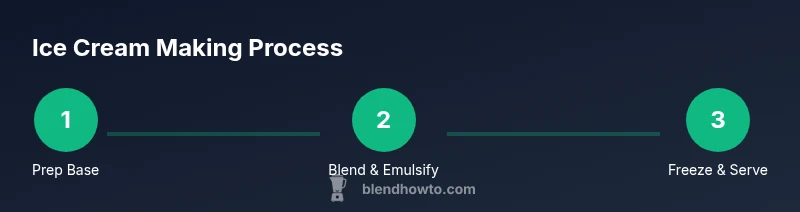
- Gather ingredients and tools, ensuring everything is well-chilled. 2) Mix the base ingredients (dairy, sugar, salt) and refrigerate for 1-2 hours to meld flavors and reduce freezing point inconsistencies. 3) Pre-chill the Ninja blender jar and lid. 4) Pour the base into the blender and pulse to emulsify, then blend on low-to-medium until smooth. 5) If using mix-ins or flavor boosters, add them during the final seconds and pulse briefly. 6) Transfer to a freezer-safe container and freeze for 2-4 hours for scoopable texture. 7) Let stand 5-10 minutes before serving to ease scooping. 8) Re-blend briefly if texture firms up too much. Pro tip: work in small batches to prevent motor strain and ensure even texture.
Flavor and Texture Tricks: Mix-ins, Saturation, and Temperature
Texture is king for homemade ice cream. For a creamier mouthfeel, include a higher fat ratio or add a little corn syrup or glucose to inhibit ice crystal formation. Chill all components thoroughly and avoid adding too many air-promoting ingredients, which can lead to a foamy texture. Flavor boosters like espresso, cocoa nibs, or fruit purées should be added late in the blending process to preserve brightness. If you want softer scoops, add a splash of alcohol (in small amounts) or chill the base longer before churning. Temperature matters: serve slightly softened ice cream for easier scooping and immediate flavor release.
Troubleshooting Common Issues
If your ice cream ends up icy, ensure the base cooled fully and the blender jar was properly pre-chilled; run the blender briefly to re-emulsify. A grainy texture can result from insufficient sugar or fat balance; adjust the recipe and ensure thorough blending. A rubbery or over-churned feel indicates over-processing; pause the blender, scrape the sides, and restart with shorter pulses. If the texture is too soft, freeze longer or re-blend in short bursts to restore body without over-mixing. In all cases, small batch testing helps dial in the right balance for your Ninja blender.
Safety, Cleaning, and Maintenance
Always unplug the blender before handling the blades and jar. Dairy residues require prompt cleaning to prevent spoilage and odors; wash the lid, gasket, and blade assembly thoroughly with warm, soapy water. Avoid submerging the motor base; wipe with a damp cloth. Regularly inspect the blade edge for dullness and replace parts according to the manufacturer’s guidelines. Store finished ice cream in a clean, airtight container to prevent freezer burn and flavor transfer.
Storing Ice Cream Made in a Ninja Blender
For best results, store ice cream in a freezer-safe container with a tight lid to prevent ice crystals. Layer a sheet of parchment or plastic wrap directly on the surface to limit air contact. Label containers with flavor and date, then freeze at a consistent temperature, ideally at or below -18°C (0°F). If texture degrades after storage, a brief re-blend or a quick 10-minute wait at room temperature can restore scoopability. Proper storage helps you enjoy ice cream in ninja blender flavor experiments over several weeks.
Tools & Materials
- Ninja blender (high-powered countertop blender)(Ensure tall pitcher, tight lid, and pulse function for controlled blending)
- Mixing bowls(Large for base, small for mix-ins)
- Measuring cups and spoons(Accurate sugar and dairy amounts; metric measurements preferred)
- Spatula or spoon(For scraping sides and folding in mix-ins)
- Freeze-safe containers(Plastic or glass with tight lids; label flavors)
- Ice cream base ingredients (heavy cream, whole milk, sugar, salt)(Optional eggs for custard base; dairy-free options (coconut cream, almond milk) require adjustments)
- Thermometer (optional)(Useful for ensuring base reaches proper cold-stage temperatures)
Steps
Estimated time: Total active time: 60-90 minutes; chilling and freezing add 1-4 hours as needed
- 1
Gather and chill
Collect all ingredients and tools, then chill the blender jar and base components. Cold ingredients blend more evenly and reduce ice crystal formation, which is crucial for a creamy finish.
Tip: Pre-chill the jar for 15-20 minutes to minimize warm transfer during blending. - 2
Prepare the base and chill
Whisk together dairy (cream and milk), sugar, and salt until the sugar is dissolved. Refrigerate the base for 1-2 hours so flavors meld and the mixture becomes stiffer before blending.
Tip: Consider whisking in vanilla or other flavor agents during chilling for an even distribution. - 3
Set up the blender
Place the chilled base into the Ninja blender, secure the lid, and start with short pulses to break the ice crystals. Smoothly transition to a longer blend until the mixture looks uniform with no visible chunks.
Tip: If your blender struggles, blend in small batches to avoid overworking the motor. - 4
Add flavorings and mix-ins
Add flavor boosters (vanilla, cocoa, coffee, fruit purée) near the end of blending. Fold in mix-ins like chocolate chips or crushed cookies by pulsing briefly to distribute evenly.
Tip: Avoid over-blending after adding mix-ins to prevent them from dissolving or crumbling. - 5
Chill before freezing
Transfer the blended base to a container and chill for at least 1 hour. A cold base freezes more predictably and yields smoother texture.
Tip: If you’re short on time, place the container in the coldest part of the freezer and monitor texture closely. - 6
Freeze to scoopable texture
Freeze for 2-4 hours or until scoopable. For a softer, more scoopable result, aim for 4 hours and allow 5-10 minutes at room temperature before serving.
Tip: If texture is too hard, a brief re-blend or a quick 10-minute rest at room temperature helps. - 7
Serve and adjust
Scoop into bowls and taste. If you desire runnier texture, re-blend with a splash of milk. If too soft, freeze longer and re-test.
Tip: Serve with warm desserts or toppings that contrast cold and creamy textures. - 8
Clean up and store
Wash all removable parts after use and dry thoroughly. Store extra ice cream in a labeled container in the freezer for later enjoyment.
Tip: Label flavors with dates to track freshness and help avoid protocol drift.
Frequently Asked Questions
Can I use a dairy-free base in a Ninja blender?
Yes. Use a coconut cream or almond milk base and adjust fat content with a plant-based fat to achieve creaminess. Expect a slightly different texture, and consider adding a starch or xanthan gum to improve body.
Absolutely. You can make dairy-free ice cream by using coconut cream or almond milk; the texture may vary, so you might adjust fats or add a tiny amount of stabilizer.
What texture should I expect using this method?
The goal is scoopable, soft-serve to traditional ice cream texture depending on chilling. Proper chilling and small-batch blending help achieve a creamy consistency with limited ice crystals.
You should end up with scoopable ice cream, not ice crystals. It depends on chilling and batch size.
Do I need egg yolks or a custard base?
Egg yolks create a custard base with a rich mouthfeel. They’re optional for a quicker base; if you skip them, ensure proper chilling and fat ratio to preserve creaminess.
Egg yolks are optional. They add richness, but you can achieve good texture without them by balancing fat and sugar.
How long can I store ice cream made this way?
Store in a well-sealed container in the freezer for up to 2-4 weeks. For best texture, consume within the first week and avoid repeatedly thawing and refreezing.
Store in a tight container for up to a month, but try to enjoy it within a week for best texture.
Can I add chocolate or fruit mix-ins?
Yes. Add mix-ins near the end of blending to prevent them from breaking down. Smaller pieces distribute evenly and maintain texture after freezing.
Absolutely—fold in chocolate chips or fruit bits at the end so they stay distinct after freezing.
Is a thermometer necessary?
Not strictly required, but helpful for precise chilling and ensuring the base reaches the right temperature before blending.
A thermometer helps, but it isn’t mandatory if you’re careful about chilling times and texture checks.
Watch Video
What to Remember
- Balance fat, sugar, and chill for creaminess
- Chill base and jar to reduce ice crystals
- Blend in batches if the base is thick
- Freeze to scoopable texture, then rest before serving
- Clean parts promptly to maintain blender performance