Ninja Ice Cream Blender: A Practical Step-by-Step Guide
Learn how to use a ninja ice cream blender to craft creamy, small-batch frozen desserts at home with practical steps, tips, and safety guidance from BlendHowTo.


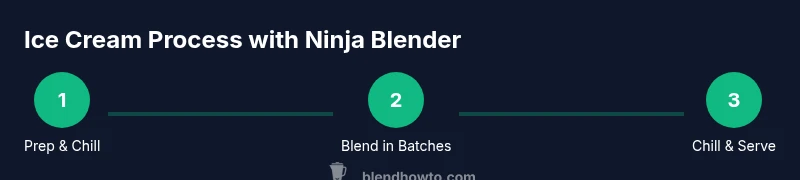
Follow this step-by-step guide to create smooth, creamy ice cream using a Ninja ice cream blender. Prep frozen ingredients, add small batches, pulse then blend on full speed with the appliance’s dedicated ice-cream or crush setting, chill between batches, and clean promptly to avoid residue. This approach minimizes dairy ice crystals and ensures consistent texture.
Why a ninja ice cream blender shines for home desserts
In home kitchens, making ice cream from scratch used to mean long churning and uneven texture. The ninja ice cream blender changes that by offering a compact, powerful solution that handles small batches with consistent creaminess. With the right ratio of dairy, sugar, and flavorings, you can produce smooth, scoopable ice cream in under an hour, and you can experiment with flavors during the same session. According to BlendHowTo, choosing a blender that combines strong blades and a dedicated ice-cream or crush setting helps minimize ice crystals and accelerates the cooling cycle. The ninja ice cream blender models are popular among home cooks for their versatility, rapid blending, and straightforward cleanup. As you gain experience, you’ll learn to tailor texture by adjusting ingredient temperature, batch size, and blending duration. The key is to view ice cream making as a controlled freezing process, where base temperature, fat content, and air incorporation influence the final scoop.
Understanding texture: from ice crystals to creamy consistency
Texture is the playground of a successful ice cream blend. Ice crystals form when water in the mix freezes too quickly or unevenly, giving a gritty, sandy mouthfeel. A Ninja ice cream blender helps by delivering controlled agitation and consistent shear, which promotes smoother pulling and less ice crystal formation. Temperature matters: colder bases reduce rapid ice formation, while a balanced fat-to-liquid ratio contributes to scoopability. Practically, start with a base around 32–35°F (0–2°C) and avoid letting mixtures heat up during blending. The blender’s blades create a vortex that draws ingredients toward the center, breaking up ice crystals as they form. For dairy bases, 10–20% air incorporation during the churn is typical for soft-serve-like texture — but the exact amount depends on your recipe. Blend gradually, monitor texture, and stop when the consistency resembles soft-serve.
Features and settings to maximize quality
A Ninja ice cream blender typically offers several modes that translate well to frozen desserts: an ice-cream or crush setting for thick mixtures, a pulse function for controlled bursts, and a standard blend cycle for base mixes. These modes help you manage texture without overheating the blades. For best results, use short blending bursts with rests in between to prevent overheating and to allow the mix to chill slightly between passes. A clean, dry blade assembly reduces flavor carryover between batches. If your model includes a soft-serve option, it can yield a lighter texture, but for traditional scoopable ice cream, a few extra seconds of blending after a rest often does the trick. Always verify the jarmates are securely locked before starting and avoid overfilling, which can stall the motor and trap air in the mixture.
Ingredient strategies for creamy, scoopable results
The base you choose determines texture as much as the blender does. A classic mix of dairy fat (cream) and milk provides body and scoopability, while sugar and stabilization agents help control ice crystallization. If you’re dairy-free, use a mix of coconut cream and a plant-based milk to mimic fat content. Flavor boosters like vanilla, cocoa, or fruit purées should be added after the base liquid components to prevent uneven freezing. Egg yolks can enrich texture but may require careful temperature control to avoid scrambling. For best results, chill all liquids and the blender jar beforehand, then blend in small batches to maintain a consistent temperature throughout the process. Be mindful of sugar content, as too much sugar can depress freezing point and create a softer texture than desired.
Troubleshooting common issues
If texture is overly icy, it’s usually a sign of too much water or insufficient fat. Consider increasing the fat ratio or adding a small amount of alcohol (which lowers freezing point) if appropriate for your recipe. Frosty surfaces on the blender jar indicate rapid freezing; allow the mixture to rest briefly in the freezer (5–15 minutes) before continuing. Overfilling the jar causes uneven blending and motor strain; always leave headroom for expansion. If the flavor seems muted, ensure your flavorings are well-distributed by blending in shorter bursts and checking for pockets of undissolved sugar or fruit puree. Finally, never blend hot mixtures; heat can damage the motor and alter texture.
Variations and flavor ideas for different diets
Ninja ice cream blender recipes can be adapted across dietary needs. For dairy-free options, coconut cream with almond milk yields a rich mouthfeel; for a lighter texture, substitute a portion of cream with skim milk or a plant-based alternative. Seasonal fruit purées (mango, berry, peach) blend well with dairy bases for vibrant flavors. If you’re making chocolate ice cream, melt high-quality dark chocolate and whisk it into the base after blending for a smooth, even distribution. You can also create mix-ins like crushed cookies, caramel ribbons, or roasted nuts by folding them in after the base has blended to your preferred texture. The key is to test small batches to dial in sweetness, texture, and flavor alignment with your preferences.
Tools & Materials
- Ninja ice cream blender (with ice-cream/crush mode)(Ensure the jar is compatible with the blade assembly and locked for operation)
- Mixing bowls(For measuring ingredients and staging flavors)
- Measuring cups and spoons(Accurate ratios matter for texture)
- Freezer-safe containers(For storing batches between steps or after blending)
- Milk, cream, sugar, and flavorings(Base ingredients for traditional ice cream)
- Dairy-free alternatives (coconut cream, almond milk)(Use if making dairy-free version)
- Spatula(For scraping ingredients and mixing in add-ins)
- Thermometer (optional)(Helps monitor base temperature when using eggs or dairy bases)
Steps
Estimated time: 60-90 minutes
- 1
Gather ingredients and equipment
Clear your workspace and arrange all ingredients and tools within arm’s reach. Measure base ingredients accurately using measuring cups and spoons. Have freezer-safe containers ready for chilling and storage. Keeping a tidy station reduces mistakes and speeds up the process.
Tip: Organize by batch: base, flavorings, and add-ins so you can work in a smooth sequence. - 2
Chill the blender jar and base
Place the blender jar in the freezer for 10–15 minutes to prep a cold environment. Simultaneously chill your base ingredients to near 32–35°F (0–2°C). A colder starting point minimizes ice crystal formation during blending.
Tip: Cold equipment equals a smoother churn; avoid rushing the chill if you’re short on time. - 3
Add base ingredients in the correct order
Pour liquids first, then add dairy solids and any stabilizers before sweeteners and flavorings. This helps the blades build a consistent vortex from the start. Avoid overloading with dry powders at once to prevent clumping.
Tip: Pre-disperse cocoa or matcha in a small amount of liquid to prevent lumps. - 4
Pulse, then blend on the appropriate setting
Use short pulses to begin, then switch to the ice-cream or crush setting. Avoid continuous high-speed blending at first to prevent overheating. Stop when the mixture coats the blades evenly and the texture begins to thicken.
Tip: If your model lacks a dedicated ice-cream mode, blend in 15–20 second bursts with 20-second rests. - 5
Check texture and adjust as needed
Assess the texture after initial blending; it should resemble soft-serve. If too icy, chill for 15 minutes and blend again in short bursts. If too soft, move to the freezer for 20–30 minutes before final blending.
Tip: Small adjustments prevent over-blending and preserve flavor integrity. - 6
Blending in batches for consistency
Blend the base in small batches to maintain uniform texture across the entire mix. After each batch, fold in any mix-ins like chocolate chips or fruit swirls by hand to avoid crushing delicate inclusions.
Tip: Batch processing ensures each scoop has the same creaminess level. - 7
Transfer and chill before serving
Spoon finished ice cream into freezer-safe containers and press a light film to minimize ice crystals. Freeze additional 1–2 hours for a firmer scoop, especially if you want to serve straight from the freezer.
Tip: Label batches with flavor and date to track freshness. - 8
Clean the blender promptly after use
Rinse the jar and blade assembly with warm water, then wash with mild dish soap. Dry thoroughly to prevent rust or odor carryover. A quick clean avoids flavor transfer to future batches.
Tip: Disassemble only as recommended by the manufacturer to avoid damage. - 9
Store leftovers and explore variations
If you have extra mix, freeze in small amounts ready for quick desserts. Try different bases (dairy vs. dairy-free) and flavors to expand your repertoire without starting from scratch each time.
Tip: Keep a flavor wheel: vanilla, chocolate, fruit, and caramel as core options.
Frequently Asked Questions
What ingredients work best for a Ninja ice cream blender?
A base of cream or coconut cream with a portion of milk provides body and scoopability. Sweeteners and flavorings are added after the base to prevent clumping. For dairy-free options, use dairy-free milks and thickening agents as needed.
For best results, start with a creamy base, add flavors after blending, and try dairy-free options if needed.
Can I make dairy-free ice cream with this blender?
Yes. Use coconut cream or almond milk with a plant-based thickener. Chill ingredients and adjust fat content to achieve creaminess. You may need to blend longer in shorter bursts to mimic traditional texture.
Absolutely, dairy-free versions work well with coconut cream and plant milks.
How long does it take to churn ice cream?
Most batches can be prepared in under an hour with the right proportions and a cold base. Total time includes chilling between steps and final freezing after blending.
Most batches finish in under an hour plus chilling time.
Why does texture vary between batches?
Texture variation often comes from ingredient temperature, fat content, air incorporation, and batch size. Keeping base temperature consistent and blending in controlled bursts reduces variation.
Texture changes mainly due to temperature and fat balance; keep things consistent.
Can I add mix-ins after blending?
Yes. Add fragile mix-ins like cookies or swirls by folding them in after the base reaches a thick soft-serve stage. This preserves texture and prevents crushing.
Fold in mix-ins after blending to preserve texture.
What if I don’t have the exact sugar quantity?
Sugar helps control freezing point and texture. If you’re unsure, start with a standard recipe and adjust in small increments in subsequent batches.
Start with a standard amount and tweak gradually.
Watch Video
What to Remember
- Choose a balanced base to ensure scoopability.
- Use appropriate Ninja settings and pulse bursts to control texture.
- Chill all components to minimize ice crystals.
- Clean promptly to keep blades sharp and flavors pure.