Replacement Blender Pitcher Guide: How to Choose and Replace
Learn how to pick and replace a replacement blender pitcher. Compare materials, ensure proper fit, understand price ranges, and follow care tips for long-lasting performance. BlendHowTo Analysis, 2026.


A replacement blender pitcher is a separate vessel designed to fit your blender’s motor base, blade assembly, and lid. When selecting one, prioritize compatibility, a durable material, and a secure seal to prevent leaks and motor strain. Consider capacity, cleaning ease, and warranty coverage to maximize value and longevity for your kitchen workflow.
What is a replacement blender pitcher and why you might need one
A replacement blender pitcher is the detachable vessel that houses the blades, seals, and lid of a blender. Home cooks and hobbyists often need a replacement pitcher after cracking, chipping, or impairments to the gasket or lid. A properly matched pitcher protects the motor from unnecessary strain and prevents leaks during high-speed blending. When you search for a replacement blender pitcher, you’re really seeking a part that fits your specific model’s blade assembly, gasket system, and lid geometry. A good match ensures consistent blending performance, measured in texture, uniformity, and noise level. If you notice cracks, warping, or a lid that won’t seal, it’s time to evaluate a replacement pitcher rather than forcing a risky fix. In many cases, a well-matched pitcher can extend the life of your blender by preserving blade efficiency and reducing motor load, especially in frequent-use scenarios such as smoothies, soups, or nut butters. For repeat blends, the phrase replacement blender pitcher becomes essential to keep your kitchen workflow smooth and safe.
Material options: glass, plastic, Tritan
“Replacement blender pitcher” material choice matters for weight, visibility, durability, and cleaning. Glass pitchers offer clear visibility of contents and resistance to staining but are heavier and prone to breakage if dropped. Plastic options, including BPA-free Tritan, are lightweight and budget-friendly, but they can scratch or retain odors and may become cloudy over time. Stainless steel models are exceptionally durable and easy to sanitize but impede visual inspection of the blend. When choosing, balance practical needs with how often you rely on the pitcher’s transparency to check blend consistency. If you frequently blend large batches or frozen ingredients, a material with rigid shape and good sealing performance reduces waste and leakage. Consider whether you prefer a lightweight option for quick tasks or a rugged build for all-day use, keeping in mind that blends of hot soups require heat-safe materials and proper venting on the lid.
Compatibility and fit: model numbers and blade attachments
Compatibility is the single most crucial factor when purchasing a replacement blender pitcher. Start by locating your blender’s model number, usually found on the base or motor housing. Compare the blade assembly interface, gasket diameter, thread pitch, and lid design with the pitcher you’re considering. Some pitchers are branded as “compatible with” a wide range of models, while others are tightly engineered for a single line. If you mix brands, ensure the seal and blade shaft alignments are correct to avoid leaks and uneven blending. Keep in mind that a perfect fit also extends to the lid’s venting mechanism, which prevents pressure build-up and splatter during high-speed cycles. If you’re unsure, contact the manufacturer or an authorized retailer for confirmation before purchase. In general, the more detailed the compatibility documentation, the lower your risk of an ill-fitting pitcher.
Size and capacity considerations
Pitcher capacity varies across blender families, typically ranging from 32 to 64 ounces. Larger volumes speed up batch prep but may demand more powerful motors and sturdier pitcher walls to withstand strain. Smaller capacities save space and reduce weight, which is handy for single servings or kid-friendly tasks. When selecting a replacement pitcher, match capacity to your typical batch size and the kinds of ingredients you blend most often—ice, frozen fruit, leafy greens, or hot soups. Note that some manufacturers rate capacity differently because of blade geometry or spout design, so use the stated fill lines rather than eyeballing. Also consider whether your pitcher’s shape favors easy pouring and reduces drips, especially if you frequently blend liquids with thick textures.
Cleaning, maintenance, and lifespan optimization
Regular cleaning extends the life of your replacement blender pitcher. After each use, rinse promptly to prevent staining and odor retention. For plastic and Tritan pitchers, avoid abrasive scrubbers; instead, use a soft sponge and a mild detergent. Glass pitchers can tolerate more robust cleaning but require careful handling due to fragility. Periodically inspect the gasket and lid seal for wear and replace if you notice cracks or tears. If your model has a separate blade assembly, remove and clean the blade unit thoroughly to prevent residue buildup. Proper drying before reassembly prevents mold and corrosion. With cautious use and routine maintenance, your pitcher can deliver consistent performance for several years, keeping your blending tasks efficient and enjoyable.
Price ranges, warranties, and where to buy
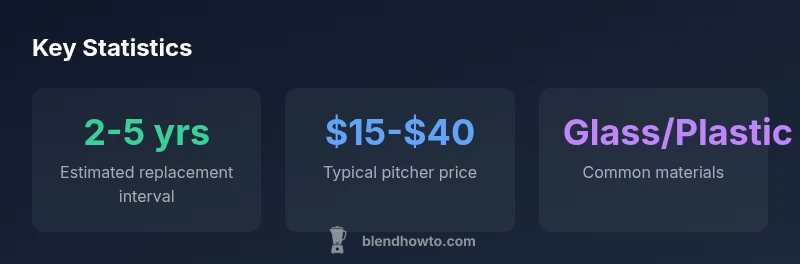
Prices for replacement pitchers vary by material, capacity, and brand. Typical ranges span modest budgets to mid-range investments. Always verify warranty terms, especially if you rely on your blender daily. A short warranty may cover manufacturing defects, while longer warranties can provide peace of mind for frequent users. To maximize value, compare authentic parts from authorized retailers and consider sellers with clear return policies. Reading product reviews and confirming part numbers helps avoid counterfeit items. In many cases, retailers offer bundles that include a replacement pitcher with a new blade assembly, which may be more economical for heavy users. When possible, choose a seller who provides compatibility confirmation and easy returns if the part doesn’t fit your model.
Common pitcher materials and tradeoffs
| Option | Material | Pros | Cons | Typical Price Range |
|---|---|---|---|---|
| Glass pitcher | Glass | Clear visibility; stain resistance | Fragile; heavier | $15-$40 |
| Plastic pitcher | Plastic (BPA-free) | Lightweight; affordable | Scratch-prone; potential odor | $10-$25 |
| Stainless steel pitcher | Stainless steel | Durable; dishwasher-safe | Opaque; harder to inspect contents | $25-$60 |
Frequently Asked Questions
Do replacement blender pitchers fit all blender brands?
No. Fit depends on model-specific blade assemblies, gaskets, and lid geometry. Always verify your blender’s model number and cross-check part numbers with the seller.
Compatibility varies by model, so check the exact model you own before buying.
What materials are best for a replacement pitcher?
Glass offers visibility and stain resistance but can break; plastic is affordable and lightweight; stainless steel is durable but opaque. Choose based on your balance of visibility, handling, and cleaning ease.
Think about whether you need to see the blend or want max durability.
How can I tell if a pitcher is authentic or counterfeit?
Buy from authorized retailers, verify manufacturer part numbers, and compare packaging with official listings. Beware unusually low prices that suggest knockoffs.
Buy from trusted sellers and verify part numbers.
Can I replace just the lid or blade instead of the whole pitcher?
Often yes—many brands sell lids and blades separately. Confirm compatibility with your model to ensure proper sealing and blade fit.
Sometimes you can swap parts, but verify compatibility first.
What is the typical price range for replacement pitchers?
Prices vary by material and capacity, generally ranging from low to mid-range. Compare products that include clear compatibility info and warranties.
Expect a range, and check the compatibility details before purchasing.
Are there safety considerations when replacing a pitcher?
Yes. Ensure the pitcher is rated for your blender’s wattage and speed, and that seals and lids close securely to prevent leaks during operation.
Safety comes first—make sure everything seals properly.
“Choosing a replacement blender pitcher isn’t just about capacity. Fit, seal integrity, and material choice directly influence performance and safety.”
What to Remember
- Know your model number before shopping
- Prioritize compatible blade and gasket design
- Choose material based on handling and visibility needs
- Check lid fit and venting to prevent leaks
- Balance capacity with motor strength for best results