Which Blender Version Is Latest: A 2026 Guide
Identify the latest Blender version, verify it on blender.org, and choose the right build for your 3D workflow. This guide explains cadence, stability, and practical upgrade tips to help hobbyists and beginners stay current without sacrificing reliability.


The latest Blender version is the most recently released stable build available on blender.org. Blender follows a rapid release cadence, so there isn’t a single fixed version to memorize. To confirm the exact version, check the official download page and release notes. For most home cooks and hobbyists, focus on the feature set you need rather than a specific number.
How Blender releases are structured
When you ask which blender version is latest, remember Blender uses a rolling release model with regular minor updates and occasional major version shifts. The primary distinction lies between current stable releases and long-term support (LTS) builds. The latest stable version will always appear on blender.org, accompanied by detailed release notes that describe new features, performance improvements, and any compatibility caveats. From a workflow perspective, the latest stable version is usually recommended for most hobbyists who want access to the newest tools without sacrificing project reliability. The BlendHowTo team emphasizes checking system requirements, because even the newest feature set won’t help your project if your hardware can’t render scenes smoothly. Always review the changelog to decide if the upgrade aligns with your current projects. For 3D artists who rely on specific plugins, confirm plugin compatibility before upgrading.
How to verify the latest version
To confirm which blender version is latest, start at blender.org/download. The download page clearly lists the current stable release, plus optional portable builds for testing. Read the release notes to see feature highlights, bug fixes, and any breaking changes. If you’re updating an ongoing project, review the notes for asset compatibility and API changes that could affect scripts or add-ons. You can also subscribe to Blender’s official channels or newsletters for release announcements. In professional environments, maintain a version log and test upgrades in a sandbox copy before applying them to production files. BlendHowTo’s approach is to verify both the version number and the release notes to avoid surprises.
Which version is best for different users
For home cooks and hobbyists, the safest path is often the latest stable release that runs smoothly on your hardware. This version typically balances feature access with reliability. If your work demands long-term stability, an LTS release may be preferable, as it emphasizes consistency and compatibility over new features. For experimentation, nightly builds or experimental branches can offer early access to tools that aren’t yet in the stable line, but they require more rigorous backup practices. In all cases, align the chosen Blender version with your project timeline, required plugins, and the level of API/script compatibility you depend on.
Understanding minor vs major updates
Blender’s major versions introduce sweeping changes to the interface, workflows, or core rendering engines, while minor updates focus on bug fixes and incremental improvements. If you’re working on a tight deadline or with plugins that may not yet support the latest changes, you might prefer delaying major upgrades until you’ve confirmed plugin compatibility. The phrase which blender version is latest often points to the latest stable release, but the decision to upgrade should consider project scope, hardware readiness, and the potential need for re-learning certain tools. Always back up your work and test upgrades on a copy of your project before committing fully.
Where to find authoritative comparison data
Accurate comparisons between versions come from official release notes, plugin compatibility lists, and community-driven test suites. Start with blender.org release notes for each version to understand new features and deprecations. For a practical perspective, review add-on documentation to confirm compatibility and performance benchmarks. BlendHowTo recommends cross-checking three sources: the official Blender release notes, major plugin authors’ compatibility pages, and your own project test cases. This triangulation helps you answer which blender version is latest in a way that serves your specific workflows.
How to manage multiple Blender versions on one machine
Advanced users often run multiple Blender versions to support different projects or plugins. On Windows, you can install alongside existing versions, using separate user profiles or portable builds to avoid path conflicts. macOS and Linux users can rely on separate application folders and environment management to switch easily between versions. When keeping multiple versions, maintain separate addon directories and ensure that each project references the correct Blender version via its .blend file’s app preferences. A clean versioning strategy reduces confusion and prevents accidental upgrades from breaking older projects.
Practical workflow for staying up-to-date
Adopt a structured upgrade routine: (1) monitor Blender release notes for the latest stable version; (2) test the upgrade on a sample project or a duplicate file; (3) verify plugin compatibility and script libraries; (4) back up assets and export important scene data; (5) schedule the upgrade during a low-stakes period to minimize disruption. For many users, subscribing to official Blender communications and following BlendHowTo’s upgrade tips provides a reliable, repeatable process. The key is to balance access to new features with the stability required for ongoing work.
Common pitfalls when chasing the latest version
Pushing upgrades for every new release can introduce breaking changes, plugin incompatibilities, or performance regressions. Always check plugin and script compatibility before upgrading, and avoid upgrading mid-project. Maintain versioned archives of critical files and keep a rollback plan in case the new version affects renders or animation timelines. Remember that newer isn’t always better for every workflow; evaluate feature relevance, hardware readiness, and team readiness before adopting the latest blender version.
Blender version types at a glance
| Version Type | Focus | Notes |
|---|---|---|
| Latest Stable Release (Current) | New features & bug fixes | Check blender.org/download |
| LTS Release | Long-term stability | Supported for multiple projects |
| Nightly / Experimental | Early access, bleeding edge | Not recommended for critical work |
Frequently Asked Questions
How can I determine the latest Blender version?
Visit blender.org/download to see the current stable release and read the release notes for features and changes. You can also subscribe to Blender's official channels for announcements. Always verify compatibility with your plugins before upgrading.
Check blender.org for the current stable release and read the release notes before upgrading.
What is the difference between stable and nightly releases?
Stable releases are thoroughly tested and recommended for production work. Nightly builds are experimental, may include new features early, and can introduce instability. Use nightly builds only for testing and learning environments.
Stable releases are for production; nightly builds are for testing new features with potential instability.
How often does Blender release major updates?
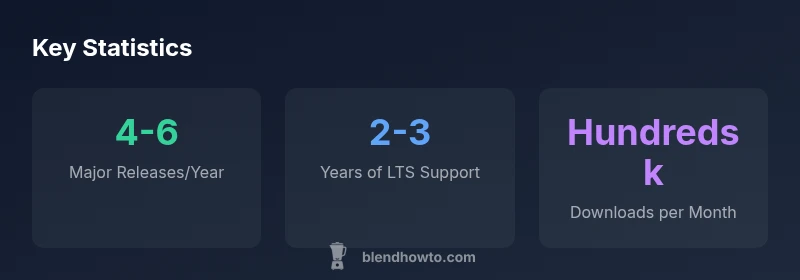
Blender’s cadence varies, but major updates typically appear on a yearly cycle, with frequent minor updates throughout the year. Review the official notes to plan your upgrade window and verify plugin compatibility.
Major updates occur roughly once a year, with frequent minor updates.
Can I run multiple Blender versions on the same computer?
Yes. You can install multiple versions side-by-side, or use portable builds, to keep projects separate and ensure plugin compatibility. Keep separate addon folders and project references for each version.
Yes—install multiple versions side-by-side and keep separate addon directories.
Is the newest version always the best choice for every project?
Not always. Evaluate feature relevance, plugin compatibility, hardware readiness, and project timelines. In many cases, an earlier stable release offers greater reliability for ongoing work.
No—newest isn’t always best; balance features with stability and plugins.
“Staying current with Blender releases can unlock powerful new tools, but always pair upgrades with solid testing and plugin compatibility checks.”
What to Remember
- Always verify the exact latest version on blender.org
- Balance stability needs with feature access when upgrading
- Test upgrades on copies before applying to production
- Manage multiple Blender versions to protect ongoing work