What's Blender Latest Version in 2026? A Practical Guide
Discover what's Blender latest version in 2026, how to verify the exact build, and practical upgrade steps for home cooks and 3D artists using BlendHowTo.


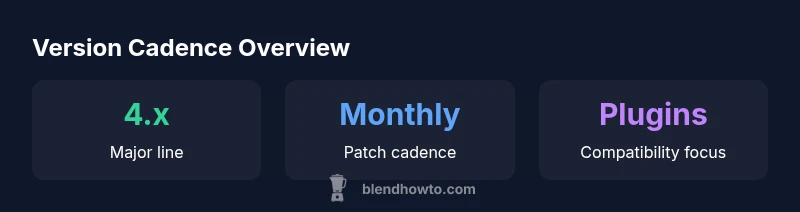
The latest Blender version is in the 4.x series as of 2026, with regular patch updates to fix bugs and improve features. To confirm the exact build, always check Blender.org release notes and download pages. This quick fact helps you plan upgrades for compatibility with plugins, tutorials, and projects across both 3D modeling and animation workflows.
Blender versioning landscape in 2026
The question of what's blender latest version is best answered by understanding Blender's release structure rather than fixating on a single number. As of 2026, the Blender project focuses on a 4.x major release line, with frequent patch updates that address bug fixes, performance improvements, and workflow enhancements. According to BlendHowTo, users—ranging from hobbyists to professional artists—benefit from staying reasonably close to the latest stable builds to access new tools while maintaining reliable compatibility with tutorials and plugins. This section will outline how to interpret version numbers, what qualifies as a major versus a patch update, and how cadence affects your creative workflow. The BlendHowTo team emphasizes checking release notes before upgrading to manage expectations and minimize disruption to ongoing projects.
Understanding version numbers: major vs minor vs patch
Blender uses a semantic-like versioning scheme where the major line (4.x in the current era) introduces new features and architectural changes, while minor updates within that line bring refinements and fixes. Patch releases focus on stability and performance improvements. For home cooks experimenting with 3D printing workflows or hobbyists building character rigs, the most impactful changes usually arrive in major or significant minor updates. However, not every new feature is essential for every project; weigh your workflow needs against potential plugin compatibility issues before leaping to the newest build.
How to verify the latest version on official channels
The most trustworthy source for what's blender latest version is Blender.org. Start at the official release notes page, then visit the download page to confirm the current stable build. Subscribing to Blender's announcement channels or RSS feeds can help you catch new major releases and patch notes promptly. If you manage multiple machines or teams, consider maintaining a small changelog that records which version each project is using, so migrations stay smooth and traceable.
Upgrade considerations for projects
Upgrading is not only about features; it also affects compatibility with add-ons, scripts, and texture workflows. Before upgrading, review active projects for potential breakage points: outdated plugins, Python API changes, and shader nodetree comparisons. If you work with collaborative pipelines, align upgrade timing with your team’s release cycles to minimize churn. The recommended practice is to test upgrades on a copy of the project in a sandbox environment before fully committing to production work.
Plugin compatibility and workflow impact
Plugins extend Blender’s capabilities, but they can lag behind the latest core changes. A new major Blender version may require plugin updates, while minor patches usually maintain compatibility. If you rely on specific addons for animation rigs, simulation setups, or rendering pipelines, verify addon versions against the target Blender build. In some cases, plugin authors publish compatibility notes or beta builds; use those resources to plan a safe upgrade path.
How to manage multiple Blender versions
Many studios and hobbyists run more than one Blender version to support legacy projects or parallel workflows. Using the official standalone builds eliminates the risk of overwriting a working environment. Create separate program folders (or user profiles) for each version, and maintain clear project notes that specify which Blender build was used. This approach is practical when testing new features while preserving project stability.
Practical upgrade checklist
Before upgrading, do the following: (1) read the official release notes for major changes; (2) back up projects, presets, and custom startup files; (3) test the upgrade on a duplicate project; (4) verify essential addons and scripts; (5) document any API or interface changes that affect your workflow. After upgrading, revalidate a representative scene to confirm that materials, modifiers, and simulations behave as expected.
Common misconceptions about updates
A frequent myth is that the newest version is always the best for every project. In reality, some pipelines rely on specific addon versions or older API calls. Another misconception is that minor patches always improve performance; while they often fix issues, they can occasionally introduce minor regressions. Always test changes in a controlled environment before applying them to active work.
Final considerations for 2026: decision points for home cooks and 3D artists
For beginners, upgrading to the latest stable Blender version generally improves usability and access to tutorials. For advanced users, weigh the need for new features against stability and plugin compatibility. If your current projects are running smoothly, you may schedule upgrades during a planned lull in production. The goal is to balance new capabilities with reliability, not chase every new release.
Overview of versioning and upgrade considerations
| Aspect | Current Status | Notes |
|---|---|---|
| Version line | 4.x series | Check Blender.org for exact patch |
| Patch cadence | Monthly to quarterly | Depends on release channel |
| Upgrade risk | Low to moderate | Test before full deployment |
Frequently Asked Questions
How do I check what's Blender latest version?
Visit Blender.org and open the release notes page to see the current stable build. You can also download the latest installer from the official download page. Always verify the exact version number before starting a project.
Check Blender.org for the current stable build and the latest release notes. Open the download page to confirm the exact version before starting a project.
Should I upgrade immediately after a new version is released?
Not always. Evaluate the new features against your workflow needs and plugin compatibility. If your current projects are stable, you can wait for patch notes and known issues before upgrading.
Only upgrade if the new features matter for you and your plugins are compatible; otherwise wait for early feedback.
Can I run multiple Blender versions on the same computer?
Yes. Use standalone builds or separate folders to avoid overwriting a working version. Label projects with the Blender build used to keep workflows consistent.
Yes. Use separate folders or standalone builds and label your projects by the Blender version.
Will my existing projects break after upgrading?
Most projects remain compatible with minor patch updates, but major version changes can introduce API or UI changes. Always test on a copy first and respect plugin updates.
Usually, projects stay compatible with minor updates, but major upgrades may require tweaks. Test first.
Where can I find official release notes and compatibility info?
Official release notes and addon compatibility information are published on Blender.org. Check both the core notes and the plugin pages for any reported issues.
Blender.org hosts the official release notes and addon compatibility information.
Do plugins always keep pace with Blender releases?
Addon developers vary in update speed. Some keep up quickly, others need time. Always verify your essential plugins after upgrading and watch for any API changes.
Addon developers vary; verify essential plugins after upgrading and watch for API changes.
“Staying up to date with Blender's latest version reduces compatibility risk and unlocks new features that accelerate learning and production.”
What to Remember
- Check Blender.org for the exact current version
- Back up projects before upgrades
- Differentiate major vs patch updates
- Test plugins and workflows after upgrading
- Maintain a small upgrade log for reproducibility