Blender for Hot Liquids: Safe Blending Guide
Learn safe, practical techniques for blending hot liquids with a blender in 2026. This guide covers equipment, prep, venting, batch blending, and cleaning to prevent leaks and injuries.


You will learn how to safely blend hot liquids in a blender, including choosing heat-tolerant models, prepping ingredients, venting steam, blending in batches, and cleaning thoroughly to prevent scorching, leaks, and motor strain. This guide also highlights when to switch to an immersion blender for thick or very hot mixtures.
Why a Blender Is Useful for Hot Liquids
For home cooks, a blender can quickly transform heated ingredients into silky soups, sauces, and purées. The key is balancing speed, temperature, and container design to avoid hazards like splatters, lid pops, or cracked jars. By understanding how heat affects blending, you can maintain texture without sacrificing safety. This section lays the groundwork for selecting the right equipment and adopting best practices, with practical examples drawn from common kitchen tasks such as blending roasted tomato soup or velvety pumpkin purée.
Safety First: Heat, Steam, and Pressure
Blending hot liquids introduces steam, pressure, and high temperatures that can damage equipment or injure you if mishandled. Always vent steam, keep the lid loose enough for airflow, and never overfill the container. Use heat-resistant jars and wear oven mitts when handling hot components. If you hear popping sounds or see steam escaping aggressively, pause blending and assess the lid seal and batch temperature before continuing.
Choosing the Right Blender for Hot Liquids
Not all blenders are designed to handle hot liquids. A countertop blender with a heat-rated jar and a vented lid is preferable for simmering soups and sauces, while an immersion blender offers a safer alternative for hot emulsions directly in a pot. Look for BPA-free jugs, thick-wall construction, and a motor with a rated operating temperature that aligns with your typical batches. When in doubt, consult the manufacturer’s temperature guidelines to prevent warping or cracks.
Prepping Ingredients and Batch Planning
To reduce heat spikes and ensure even texture, trim large vegetables into uniform pieces and pre-cook tougher ingredients. Plan to blend in smaller batches rather than one large batch, especially when heating is involved. This approach helps you control temperature, texture, and aeration. Have a timer ready and keep a heat-safe container nearby for mixing or resting blended batches before serving.
Step-by-Step Technique for Safe Hot Blends
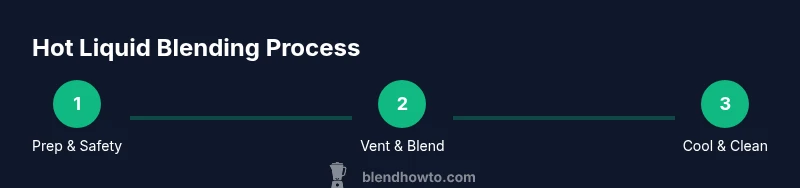
Follow the step-by-step guide for safe blending of hot liquids (see STEP-BY-STEP). In short, prepare ingredients, select a heat-tolerant blender, vent the lid, start on low, and blend in short bursts with rests to release steam. Always monitor the temperature and avoid forcing a dense mixture through the blades. This approach minimizes splatter and protects the motor.
Troubleshooting Common Issues
If you notice lid leakage, cracking, or unusual noise, stop blending immediately and inspect the jar and lid fit. Thick mixtures may stall the blade; in that case, pause, vent more, and blend in smaller portions. If the blender struggles with heat, switch to a lower batch size, reduce cooking time, or finish the texture with an immersion blender. Adapting to batch size is often the simplest fix.
Cleaning and Maintenance of Hot-Liquid Blending Gear
Clean after each hot blend to prevent residue buildup and odors. Allow jars to cool before washing, use warm soapy water, and avoid soaking the lid in boiling water. Dry thoroughly to prevent mold. Regular inspection of seals, gaskets, and blade attachment points helps you catch wear before it becomes a problem.
Alternatives and When to Use Them
If a recipe requires very hot temperatures or ultra-smooth emulsions, an immersion blender or a dedicated soup blender can be safer options. Immersion blenders eliminate transfer from hot pot to jar, reducing risk. Compare pros and cons of countertop vs immersion tools to choose the best fit for your kitchen tasks.
Tools & Materials
- Heat-resistant blender jar or pitcher(Must withstand hot liquids; avoid thin plastics that warp)
- Ventilated lid or vent-cap(Lid should allow steam to escape without splashing)
- Oven mitts or heat-resistant gloves(Protect hands during handling and pouring)
- Thermometer or temp strips(Helps monitor temperatures near pasteurized levels)
- Kitchen towel or silicone mat(Catches splatters and provides a non-slip surface)
- Ladle or heat-safe spatula(Transfers hot liquid safely between pots and jars)
- Timer or clock(Time steps to prevent overheating during long blends)
- Dish soap, sponge, and drying rack(Thorough cleaning after every hot blend)
Steps
Estimated time: 30-40 minutes
- 1
Choose a heat-tolerant blender and set up a vented container
Inspect your blender’s jar for heat tolerance. If needed, select a jar made of glass or metal with a high temperature rating. Attach a lid that can vent steam—either a dedicated vent cap or a small removable insert. This setup minimizes pressure buildup and reduces splatter.
Tip: Test the lid by briefly venting with a small amount of hot water before blending a full batch. - 2
Prepare ingredients and portion into batches
Chop ingredients evenly and pre-cook tougher items to soften them. Plan to blend in batches no larger than half to two-thirds full, depending on your jar’s max fill line. Keeping batches small helps maintain a consistent texture and temperature.
Tip: Aim for uniform pieces to ensure even heating and smooth blending. - 3
Vent the lid to allow steam release
Create a small gap or use a vent-cap to let steam escape during blending. Tight, airtight seals increase pressure risk and may cause lid pops. Maintain steady airflow while blending; avoid blocking the vent with towels or hands.
Tip: Never seal completely when blending hot liquids. - 4
Start blending on a low speed
Turn on the blender at the lowest setting to begin breaking up solids. Gradually raise speed as needed once the mixture shows signs of even engagement. This minimizes heat spikes and blade resistance.
Tip: If you hear a grinding sound, slow down and blend in shorter bursts. - 5
Blend in short bursts and monitor temperature
Use 10–20 second bursts with 10–15 second rests to dissipate heat. Between bursts, check for consistency and heat levels. This approach reduces the risk of scorching and preserves delicate flavors.
Tip: If your blender has a pulse option, use it between bursts for better texture control. - 6
Cool slightly between batches or use an immersion blender for thick mixtures
If a batch is very hot or dense, pause and allow cooling or transfer to a different vessel. For thick emulsions, an immersion blender can simplify the process while lessening heat transfer to the jar. Always handle hot liquids with care.
Tip: A quick swirl in a cool bath can bring the batch to a safer handling temperature. - 7
Pour into a heat-safe container and proceed
Transfer blended hot liquid to a warmed, heat-safe serving or storage vessel. Use a ladle to minimize splashes. Wipe the rim clean before sealing to ensure a proper seal and prevent drips.
Tip: Position a towel under the pour path to catch drips and protect surfaces. - 8
Clean and inspect after use
Rinse the jar and lid with warm water, then wash with dish soap. Inspect seals, gaskets, and blades for wear. Dry thoroughly to prevent mold or corrosion, and store on a clean, dry surface.
Tip: Run a short rinse cycle with warm water and a drop of dish soap to remove stubborn residue.
Frequently Asked Questions
Is it safe to blend boiling liquids in a regular blender?
Boiling liquids can be dangerous in a standard blender due to steam and pressure. Let the liquid cool slightly and use a vented lid, blend in small batches, and monitor temperature. If unsure, switch to an immersion blender or a pot with direct heat control.
Boiling liquids are risky in a standard blender. Let it cool a bit and use a vented lid, blending in small batches. If unsure, try an immersion blender.
What blender is best for hot liquids?
A countertop blender with a heat-rated jar and a vented lid is typically best for hot liquids. An immersion blender is a safer alternative for hot emulsions directly in a pot. Always check manufacturer specifications for heat tolerance.
Look for a heat-rated blender jar with a vented lid, or use an immersion blender for hot emulsions.
Why does my blender jar crack when blending hot liquids?
Rapid temperature changes can stress glass or plastic. Use jars rated for heat, avoid pouring boiling liquids directly, and never seal fully during blending. If you see cracks forming, discontinue use of that jar for hot liquids.
Cracks happen from thermal shock. Use heat-rated jars and never seal fully during hot blending.
Should I vent the lid during blending?
Yes. Always vent during hot blending to release steam. A blocked vent can cause pressure buildup and lid displacement. Use a vent-cap or slightly loosen the lid to maintain airflow.
Yes, vent the lid to release steam and prevent pressure buildup.
How should I clean after blending hot liquids?
Rinse with warm water, wash with dish soap, and inspect seals. Dry all parts thoroughly before reassembling. Avoid soaking hot components for long periods to prevent warping.
Rinse and wash the parts, then dry thoroughly before using again.
Can I blend thick sauces that are hot?
Thick, hot sauces can be blended in batches with a vented lid. For very thick textures, consider a slower start and shorter bursts to prevent motor strain. An immersion blender can provide an alternative texture control.
Yes, but blend in batches and use a vented lid; consider an immersion blender for very thick textures.
Watch Video
What to Remember
- Vent steam to prevent pressure buildup.
- Blend in small batches to manage heat and texture.
- Use heat-safe jars and vented lids to reduce risk.
- Monitor temperatures and adjust technique for thick mixtures.
- Clean thoroughly after each hot-liquid blend.