Why Does My Beauty Blender Have Black Spots? Quick Fixes
Learn why your beauty blender has black spots and how to clean, dry, and prevent mold with practical, safe steps from BlendHowTo. Expert tips, safe products, and replacement guidelines.


Black spots on a beauty blender are usually caused by moisture buildup, mold growth, or color transfer from makeup. The quickest fix is to rinse, squeeze, and scrub with warm water and a gentle cleanser, then thoroughly dry on a rack. If spots persist after cleaning, replace the sponge within a reasonable timeframe.
Why does my beauty blender have black spots
According to BlendHowTo, why does my beauty blender have black spots? The short answer is moisture buildup that invites mold or mildew, often accelerated by damp storage and repeated use with pigmented products. Black spots can also be dye transfers from makeup or residue that hasn’t fully rinsed away. In practical terms, spotting usually signals biology or pigment inside the sponge, not a single stain you can ignore. Understanding which cause is at play helps you pick the right cleaning method and avoid tossing a still-useful sponge. Before you panic, run through a simple test: smell the sponge (musty odor = mold), check the texture (rubbery vs fuzzy). The goal is to identify whether to deep clean, replace, or both. The good news is that most black spots are fixable with a routine that combines thorough cleansing, proper drying, and mindful storage. If you maintain a weekly cleaning cadence, your beauty blender will stay fresher and safer to use on your skin, reducing the risk of breakouts or irritation.
Mold vs staining: how to tell the difference
Mold or mildew tends to produce a musty smell, fuzzy texture, and spots that spread despite cleaning. Stains from makeup or pigments are usually flat, set within the sponge, and often fade with repeated washing. A simple test helps you decide: take a clean, dry wedge of the sponge and rub it gently on a white cloth or tissue; color transfer that remains persistent points to pigment staining, while persistent dark growth or a sour odor points to mold. Inspect under good light and feel for changes in elasticity. If you suspect mold, discard the sponge immediately to protect your skin. If it’s just a stain, you can often recover the surface with a proper cleaning routine, though older sponges may retain spots longer. For the average user, distinguishing these two scenarios is the key to deciding whether to Deep Clean, Replace, or both.
Everyday cleaning methods that work
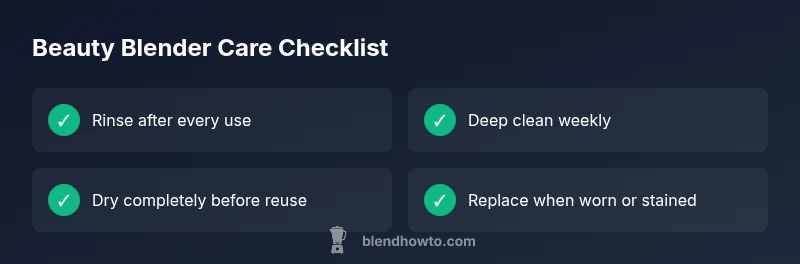
Cleaning after every use is the first line of defense. Start by rinsing the sponge under warm running water until the water runs clear. Apply a small amount of mild dish soap or a dedicated cosmetic sponge cleanser and gently massage the sponge to lift oils and pigments. Rinse again until no soap suds remain. For stubborn spots, repeat the wash or switch to a slightly warmer water and a softer brush corner to scrub. Do not use harsh chemicals or bleach — they can degrade the sponge material and irritate the skin later. This routine is simple, quick, and effective for most daily makeup use, and it minimizes the chance that spots become embedded.
Deep cleaning and sanitizing options
Occasionally a deeper clean is necessary. Soak the beauty blender in a bowl of warm water with a drop of mild cleanser for 5-10 minutes, or use a 1:3 solution of 3% hydrogen peroxide to water for a short 5-minute soak. After soaking, squeeze out the liquid gently and rinse under running water until clear. If you prefer a non-chemical approach, a small amount of white vinegar diluted with water can be used for a 5-minute soak, followed by thorough rinsing. Never soak for too long as prolonged exposure can degrade the sponge's structure. After cleaning, gently press out excess water, then place the sponge on a clean rack to air-dry away from direct sun. This deep cleaning step is especially helpful when the spots are stubborn or when you’ve used highly pigmented products.
Drying, storage, and preventing future spots
Drying is as important as cleaning. Squeeze out as much water as possible, then lay the sponge on a clean dry rack or tiered drying stand with good air circulation. Keep it on a shelf away from heat sources and direct sunlight. Avoid storing in closed containers while damp, which traps moisture and invites mold. Wash and dry your blender in a dedicated dish or tray to avoid cross-contamination with other tools. Regularly inspect for signs of wear; when the sponge begins to crumble or tears appear, it's time to replace. By following these drying and storage rules, you significantly reduce the risk of future spots and skin irritation.
Replacement and long-term care plan
Even with diligent cleaning, sponges have a finite life. If spots persist after multiple cleanings, or you notice persistent odor, change in texture, or cracks forming, replace the sponge. A typical replacement cadence for daily makeup routines is every few months, but use your judgement: bright colors show stains more readily, and sponges with rough patches catch more bacteria. Keep a spare sponge pack so you can rotate and always use a fresh one. When you do replace, dispose of the old sponge in the trash to avoid reintroducing bacteria into the sink or bathroom.
Troubleshooting path if spots come back after cleaning
If black spots reappear after cleaning, follow a quick diagnostic path: first, check your water temperature and cleanser choice—warm water and mild soap generally work best. Second, confirm your drying routine: is the sponge left damp in a closed space? Third, evaluate your makeup products: pigment-heavy foundations or concealers can stain more aggressively; consider wiping with a tissue between uses. Fourth, assess storage: store sponges in an open, well-ventilated area rather than a closed box. Fifth, consider replacement if the spots keep returning after two or three cleanings. Finally, if you have sensitive skin, monitor how the sponge performs: persistent stains and odor may indicate bacteria growth that could irritate the skin. If all else fails, consult a skin-care professional or dermatologist.
Common mistakes to avoid
Common mistakes include using hot water or aggressive scrubbing that damages the sponge, using bleach or solvents on cosmetics sponges, letting damp sponges sit in closed containers, and ignoring persistent odor. Always test new cleaners on a small section of the sponge first. Do not reuse sponges with visible mold on the surface, even if washed; replace immediately. Finally, avoid sharing sponges to prevent cross-contamination.
Quick-start routine to keep sponges spot-free this week
Here's a simple, fast plan you can start this week to prevent and remove spots: Day 1: Clean after every use for a week. Day 2: Soak in mild solution for 5 minutes if spots persist. Day 3: Dry on rack away from sun. Day 4: Inspect for wear and replace if necessary. Day 5: Use a spare sponge for rotation. Day 6-7: Review makeup tools; ensure all are properly cleaned and stored. By following this 7-day plan, you reduce the risk of future spots and keep your blender hygienic.
Steps
Estimated time: 60 minutes
- 1
Gather supplies
Collect mild cleanser, a clean bowl, a drying rack, and a clean towel. Having everything ready minimizes the risk of recontamination during the process.
Tip: Use a dedicated towel and never reuse dirty cloths to dry the sponge. - 2
Rinse thoroughly
Run warm water through the sponge and gently press to release trapped makeup and oils. Repeat until the water runs mostly clear.
Tip: Avoid twisting hard; this can damage the sponge's structure. - 3
Lather and scrub
Apply a small amount of mild cleanser and massage the surface in circular motions to lift pigment and bacteria.
Tip: Focus on the porous edges where grime hides. - 4
Rinse to clear soap
Rinse again until no soap bubbles remain. Check for any remaining color or residue in the sponge’s center.
Tip: Turn the sponge inside-out to wash the interior. - 5
Deep clean if needed
If spots persist, soak the sponge in a mild solution (see below) for 5-10 minutes, then rinse thoroughly.
Tip: Test any sanitizer on a small area first. - 6
Dry thoroughly
Squeeze out excess moisture and place the sponge on a clean rack in a well-ventilated area away from direct sun.
Tip: Prolonged dampness invites mold. - 7
Inspect and decide
Check texture and odor after drying. If the sponge remains stiff or shows discoloration, plan for replacement.
Tip: If in doubt, replace rather than risking skin irritation. - 8
Store properly
Store in an open, breathable container or on a rack to promote airflow and quick drying.
Tip: Avoid airtight boxes for sponges.
Diagnosis: Persistent black spots on a beauty blender after cleaning
Possible Causes
- highMoisture trapped inside the sponge after use
- highMold or mildew growth from damp storage
- mediumDye transfer from pigmented makeup staining the sponge
- lowOld, degraded sponge harboring bacteria
Fixes
- easyRinse thoroughly with warm water and a gentle soap, then squeeze out all moisture
- mediumDo a deeper clean with a mild sanitizer or diluted hydrogen peroxide soak for 5-10 minutes, then rinse
- easyAir-dry completely on a rack away from direct sunlight, ensuring good airflow
- easyIf spots persist after multiple cleanings, replace the sponge and reassess storage and cleaning routine
Frequently Asked Questions
What causes black spots on a beauty blender?
Black spots usually come from mold, mildew, or pigment staining. They indicate moisture and bacteria buildup or dye transfer from makeup. Inspect by odor and texture; if mold is present, discard. If it’s just a stain, clean and monitor.
Black spots come from mold or pigment staining. If you smell musty or see texture changes, replace or thoroughly clean and recheck.
Is it safe to use a beauty blender with black spots?
If mold is suspected, it’s unsafe to reuse. Bacteria can irritate skin. For stain-only spots, a thorough cleaning can suffice, but replace if spots persist or the sponge smells.
If you suspect mold, discard. If it’s only a stain, clean well and monitor for odor.
How often should I replace my beauty blender?
Replacement depends on use, but many people switch every few months or when spots return or the sponge shows wear. Don’t wait for it to become visibly degraded to replace.
Replace when spots return or the sponge shows wear.
What cleaning products are safe for beauty blenders?
Use mild dish soap or a dedicated cosmetic sponge cleanser. Avoid bleach and harsh solvents that can degrade the sponge. Rinse thoroughly after cleaning.
Use mild soap or a gentle cleanser; rinse completely.
Can color or makeup residue cause spots on a white beauty blender?
Yes, pigmented products can stain sponges; lighter colors reveal spots more clearly. Regular cleansing and occasional deep cleaning help reduce visible staining.
Pigment can stain; light sponges show spots more clearly.
Are there safe DIY methods to remove spots?
Gentle methods like dish soap, warm water, and a brief soak in diluted hydrogen peroxide can help. Always test on a small area first and avoid harsh solvents.
Gentle DIY cleaning can help; test first and avoid harsh chemicals.
Watch Video
What to Remember
- Clean promptly after use to prevent spots.
- Differentiate mold from pigment stains before scrubbing.
- Air-dry completely for best results.
- Replace sponges showing persistent spots or odor.
- Use mild cleaners to protect sponge integrity.