Blender for Baby Food: A Practical Guide for Home Cooks
Learn how to choose and use a blender for baby food, focusing on safety, texture control, and simple steps to make nutritious purées at home with confidence.


By the end you’ll be able to turn fresh fruits, vegetables, and proteins into smooth, baby-friendly purées using a blender. This guide emphasizes safety, texture control, and nutrient preservation when using an immersion blender. You’ll need a clean workspace, a suitable blender, and fresh ingredients to start.
Why a Safe, Easy Blender Setup Benefits Baby Food
Choosing the right blender for baby food isn't just about speed; it's about safety, texture, and reliability. When you use a blender designed for gentle, controlled purées—particularly an immersion blender—you can keep nutrients intact while producing smooth textures that are easy for babies to swallow. This approach aligns with kitchen best practices highlighted by BlendHowTo, which emphasizes clean, age-appropriate preparation and simple workflows. In this guide for blender for baby food, you'll learn how to select the right tool, set expectations for texture, and build routines that minimize risk of choking or contamination. You’ll also find practical tips for sanitation, portioning, and storage to support busy parents and hobby cooks alike.
BlendHowTo’s experience for home cooks and aspiring 3D artists who cross over into kitchen projects informs these steps. The goal is a calm, methodical process you can repeat every time you cook for a little one, with evidence-based methods that protect nutrition and safety.
Safety and Nutrition Considerations
Safety comes first when preparing baby food. Clean, sanitized tools prevent contamination, and choosing a blender with BPA-free parts reduces chemical exposure. Use fresh produce and thoroughly cooked ingredients to ease pureeing, and always test temperatures before feeding. Texture decisions should align with developmental stages, gradually moving from smooth purées to slightly chunkier textures as infants grow. The BlendHowTo team emphasizes that a disciplined prep routine—washing, trimming, and cooking foods to a pliable softness—reduces the risk of choking and ensures predictable results. Keep storage containers clean, label portions, and avoid adding salt or sugar in early stages. Nutrition-wise, aim for a balance of vegetables, fruit, and protein sources when appropriate for your child’s age.
Blender Types for Baby Food
Not all blenders are created equal for baby food tasks. Immersion blenders are popular for their control, easier cleaning, and the ability to blend directly in pots or bowls. Countertop blenders with variable speeds offer consistent texture and can handle puréeing small batches, but they may be harder to clean and require transfer to a separate container. For baby food, the goal is to minimize air exposure and heat buildup that can degrade nutrients; look for smooth operation, gentle speed settings, and BPA-free detachable parts. In addition, consider the blade design and jar size—smaller jars and blades that handle soft foods well make for safer, more predictable results. BlendHowTo notes that choosing the right type reduces mess and increases your confidence in feeding time.
How to Choose Features That Matter
Key features to evaluate include motor power, variable speed control, and blade design. A gentle, adjustable speed range helps you achieve the right texture without overheating delicate ingredients. Look for a blender with dishwasher-friendly parts, a secure lid, and a non-slip base for stability. For baby food, prefer BPA-free plastics or stainless steel components and a jar size that matches your batch goals. If you plan to blend hot foods, ensure the blender can tolerate heat and has a vented lid to reduce steam buildup. Safety certifications and a clean, easy-clean design also reduce daily friction in meal prep. BlendHowTo’s guidance emphasizes practical ownership: choose a model you’ll actually use regularly, not just a feature-rich shell that sits idle.
Prep Workflow: From Fresh Produce to Purée
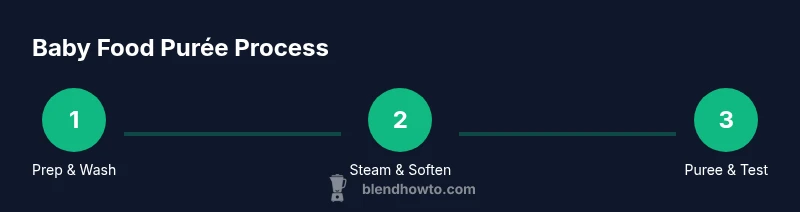
Start with a clear plan for each batch. Wash and trim produce; cut into uniform pieces for even cooking. Steam or simmer produce until soft, then test tenderness with a fork. Transfer to your blending vessel, add a small amount of cooking liquid if needed, and begin with a low speed to avoid splatter. Puree in short bursts, checking texture after each pulse. If you’re using hot ingredients, allow them to cool slightly before blending. Finally, cool purée to the intended serving temperature, and portion into storage containers. This workflow keeps nutrients intact and makes feeding smoother for your little eater.
Texture Control: From Smooth to Chunky
Texture is the crux of baby food success. Start with a silky purée and gradually introduce tiny soft chunks as your baby tolerates textures. For younger infants, a completely smooth paste is appropriate; as teeth emerge and infants gain tongue mobility, you can introduce small granules or soft vegetable fibers. Use short blending bursts and pause to feel the consistency. If a batch remains too thick, blend with a small amount of breast milk, formula, or water. Keep a small tasting spoon handy to test temperature and texture before serving. This progressive approach aligns with developmental milestones and helps prevent attachment and swallowing issues.
Cleaning, Storage, and Shelf-Life
Clean all parts immediately after use to minimize bacteria growth. Dismantle the blender, rinse blades carefully (handle with care), and wash in warm, soapy water or place parts in the dishwasher if approved by the manufacturer. Dry thoroughly before reassembling. Store purées in labeled, airtight containers in the fridge for short-term use or freeze in ice-cube trays for longer-term portions. Defrost safely in the fridge or a warm water bath; never reheat repeatedly. Following these steps maintains safety and preserves flavor and nutrients over multiple meals.
Common Pitfalls and How to Avoid Them
Common issues include overheating the puree, uneven textures, and cross-contamination from dirty equipment. Avoid overloading the blender or running on the highest setting for long periods, which can create heat and degrade nutrients. Always check that blades are sharp and clean, lids are secure, and the device is stabilized during blending. When introducing new foods, do so one at a time to monitor reactions and potential allergies. By establishing a predictable routine and staying within age-appropriate texture guidelines, you’ll reduce surprises at mealtime. BlendHowTo’s method favors calm, consistent practice over rushed decisions.
Starter Recipes and Texture Chart
A few starter ideas help you begin smoothly: pear and carrot purée for a gentle first texture, apple with sweet potato for natural sweetness and fiber, and lentil + veggie purée for protein. Use the texture chart to decide when to progress from silky to slightly grainy textures, matching your baby’s developmental stage. Always cool purées before serving, mix in breast milk or formula if recommended by your pediatrician, and batch-cook small amounts to maintain freshness. These simple recipes illustrate how a blender for baby food can become a reliable ally in daily feeding.
Tools & Materials
- Immersion blender(A blender with a BPA-free shaft and at least 200-300 watts; look for variable speeds for precise texture control.)
- Sturdy heat-safe pot or mixing bowl(Non-reactive material; wide mouth preferred for easier blending.)
- Silicone spatula(For scraping and mixing without scratching surfaces.)
- Steamer or pot with steamer insert(Used to soften vegetables and fruits quickly while preserving nutrients.)
- Measuring cups/spoons(For portioning liquids and ingredients accurately.)
- Small mesh strainer (optional)(Useful for removing skins or fibers if needed.)
- Storage containers (e.g., silicone molds or freezer-safe bags)(Label portions and freeze for later use.)
- Cooking thermometer (optional)(Helpful to ensure safe serving temperatures.)
- Fresh produce and proteins(Choose ripe, high-quality ingredients; wash thoroughly.)
- Paper towels and cleaning supplies(Maintain a clean workspace and equipment after every use.)
Steps
Estimated time: 45-60 minutes
- 1
Prepare ingredients
Wash, peel, and trim produce as needed. Cut into uniform pieces so they cook evenly. Gather all ingredients and tools before you start to keep the workflow smooth.
Tip: Planning ahead reduces last-minute scrambling and helps maintain a calm mealtime routine. - 2
Cook or steam to soften
Steam or simmer until pieces are tender enough to mash with a fork. Hot, soft textures blend more easily and preserve delicate flavors.
Tip: Avoid overcooking; aim for tender firmness to prevent mushy textures. - 3
Begin blending in small batches
Place softened produce in the blending vessel, start on a low setting, and pulse in short bursts until smooth. Add liquid gradually if needed to reach the desired consistency.
Tip: Work in small quantities to prevent overprocessing and heat buildup. - 4
Adjust texture and test
Check texture and temperature; ensure it’s smooth or slightly chunky as appropriate for your baby’s age. Allow to cool to feeding temperature before testing on skin.
Tip: If blending hot mixtures, vent the lid slightly to release steam. - 5
Store or serve fresh
Serve immediately or portion into airtight containers for fridge or freezer storage. Label dates and use within safe guidelines for your child’s age.
Tip: Portion sizes in ice-cube trays make thawing easy and consistent. - 6
Clean and reassemble
Rinse components, wash with soap, or run dishwasher-safe parts through a cleanup cycle. Dry completely before reassembling to prevent mold.
Tip: Disassemble blades carefully and sanitize to prevent accidents.
Frequently Asked Questions
Is an immersion blender safe for baby food?
Yes, an immersion blender can be safe for baby food when used with properly softened ingredients, cleaned thoroughly, and operated at gentle speeds. Choose BPA-free parts and monitor texture to protect your baby.
Yes. Use a gentle speed and clean equipment to keep baby food safe and nutritious.
What textures are appropriate for different ages?
Start with smooth purées for younger babies and gradually introduce tiny soft chunks as they grow. Progression should be steady and in line with pediatric guidance.
Start smooth, then slowly move to small soft chunks as your baby develops.
Can I use frozen produce or only fresh?
Both can work, but thaw frozen produce completely and ensure it’s soft before blending. Fresh produce often provides the best flavor and texture control.
Both work; thaw first and blend to a smooth texture.
How should I reheat baby purées safely?
Reheat gently to serving temperature, avoiding boiling. Test temperature before feeding and avoid reheating multiple times.
Warm it gently and check temperature before feeding.
What about allergies and introducing new ingredients?
Introduce one new ingredient at a time and watch for reactions. Consult your pediatrician if there’s a family history of allergies.
Introduce one new food at a time and monitor for reactions.
How do I clean the blender effectively?
Disassemble parts, rinse immediately after use, wash with soap, and dry thoroughly. Sanitize occasionally to prevent bacterial buildup.
Disassemble, wash well, and dry completely after each use.
Watch Video
What to Remember
- Pick an immersion blender for safer, easier baby-food prep
- Control texture progressively to match developmental stages
- Steam or soften ingredients to preserve nutrients
- Cleanliness and portioning are essential for safety
- Batch-cook and freeze portions for busy days