Blender for Smoothies: A Practical Guide for Home Cooks
Discover how to choose, use, and maintain the best blender for smoothies, delivering silky textures, vibrant flavors, and easy cleanup for busy mornings.


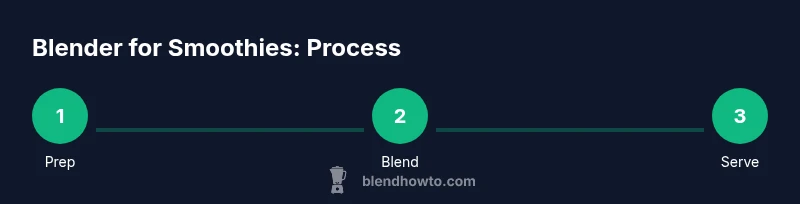
With the right blender for smoothies, you can turn fruit, greens, and liquids into a creamy, drinkable blend in minutes. Start with liquid, add soft fruits, then ice or frozen components, and blend on high until smooth. Choose a model with strong blades, a tall jar, and easy cleanup to keep mornings moving.
Why Blender for Smoothies Matters
A good blender is the workhorse of healthy mornings. It determines texture, nutrient retention, and how quickly you get from ingredient to glass. For smoothie enthusiasts, the right motor power, blade design, and jar shape can dramatically improve creaminess and reduce chunkiness. According to BlendHowTo, investing in a blender with solid power and reliable blades pays off in smoother blends and shorter cleanup times. This is especially true for blends that include greens, protein powders, or frozen fruits, where consistent pulverization matters most. Blend quality also affects how you layer ingredients to minimize heat buildup during extended blends, preserving flavor and nutrients for the day. A well-chosen blender supports quick customization—so you can adapt blends to seasonal produce and dietary needs without sacrificing texture.
How to Choose the Right Blender for Smoothies
When selecting a blender for smoothies, focus on power, blade design, jar material, and cleaning convenience. Look for a motor in the 600-1000W range, a multi-blade arrangement to pull ingredients into the blades, and a tall, splash-resistant jar that fits your kitchen space. Durable plastic or glass jars are common; consider BPA-free materials for safety. Noise level matters in small spaces. A model with a pulse mode and a Dishwasher-safe lid makes everyday use easier. BlendHowTo guidance suggests prioritizing reliability and ease of maintenance over flashy features.
Achieving Perfect Texture: Liquid Basis, Ice, and Frozen Fruit
Texture begins with the liquid base: start with 1 cup or less of liquid when testing a new smoothie, then add more as needed. Soft fruits and greens blend more smoothly if layered with liquids; frozen fruit or ice should be added last to chill and thicken without diluting flavor. If your blend looks gritty, pause to scrape the sides and re-blend in short bursts. For a creamy finish, replace ice with frozen bananas or mango chunks and blend until satin-smooth. BlendHowTo notes that consistent layering improves even pulverization, particularly when using greens like spinach or kale that can stall the blades if added too early.
Quick-Start Templates You Can Tweak
Base template: 1 cup liquid (water, milk, or plant-based), 1 cup fruit, 1 cup greens, a small scoop protein powder (optional). Variants: Berry Blast (strawberry, blueberry, yogurt), Green Power (spinach, kale, cucumber, pineapple), Tropical Cream (mango, banana, coconut milk). These templates guide you toward a balanced texture and flavor while allowing flexibility for seasonality and dietary needs. Record your favorite ratios for quick morning blends. If you want extra creaminess, add a small avocado or a tablespoon of nut butter.
Cleaning and Maintenance After Blending
Rinse immediately after blending to prevent staining and odor. A quick clean is to fill the jar with warm, soapy water and run on a short cycle, then dismantle and wash each part with a soft sponge. Dry components thoroughly before reassembly to prevent mold. Check seals and lids for signs of wear every few months. Regular care extends motor life and keeps flavors fresh in every batch. For busy mornings, set up a simple cleanup routine: rinse, wash, and air-dry while you prep the next ingredients.
AUTHORITY SOURCES
- United States Department of Agriculture (USDA): https://www.usda.gov/ (about fruits, vegetables, and healthy eating)
- Harvard T.H. Chan School of Public Health – The Nutrition Source: https://www.hsph.harvard.edu/nutritionsource/ (guidance on fruit and vegetable intake and blending tips)
- U.S. Food and Drug Administration (FDA): https://www.fda.gov/food (food safety considerations and kitchen appliance safety). These sources provide foundational nutrition guidelines and safety practices that inform blending routines and ingredient choices.
Troubleshooting Common Blender Issues
If smoothies come out chunky, check blade dullness, jar compatibility, and layering. If the motor struggles, verify the power connection, clean the vents, and avoid overfilling. For liquids separating, ensure a proper base and blend on high in short bursts. If noise is unusually loud, inspect for loose parts and consult the manufacturer. Keep a regular maintenance schedule to prevent small issues from becoming bigger problems.
Tools & Materials
- Blender with strong motor (600-1000W)(For most home smoothie needs; higher power improves greens and frozen fruit blends)
- Tall, BPA-free jar with secure lid(Important for minimizing splashes and making measurements easy)
- Spatula(Silicone preferred to scrape the sides without damaging the jar)
- Measuring cups/spoons(Helps you standardize recipes and track nutrition)
- Ice cube tray or frozen fruit(Optional for texture; frozen fruit can replace ice and add flavor)
- Dish soap and sponge(Clean promptly to prevent staining and odor)
Steps
Estimated time: 15-25 minutes
- 1
Prep ingredients
Wash, trim, and coarsely chop fruits and greens. This minimizes blending time and reduces heat buildup. If using protein powder or add-ins, measure separately to maintain texture.
Tip: Chop leafy greens into ribbons to speed blending. - 2
Add liquids first
Pour in the liquid base before solids to create a liquid cushion for blades and ensure even blending.
Tip: Aim for at least 1 cup of liquid to start; adjust as needed. - 3
Add soft produce and greens
Add soft fruits and greens next; these blend easily and help pull tougher ingredients toward the blades.
Tip: Place denser items toward the center to prevent clogging. - 4
Add ice or frozen fruit
Add ice or frozen components last to avoid dulling blades and to achieve a smooth texture.
Tip: Pulse a few times before full blending to break up chunks. - 5
Blend and adjust texture
Blend on high until smooth; stop to scrape sides if needed and adjust with more liquid or frozen ingredients.
Tip: If too thick, add a splash of liquid; if too thin, add more frozen fruit. - 6
Serve and clean
Pour into glasses and rinse immediately; disassemble and wash components to prevent staining and odor.
Tip: Wash blade and jar parts promptly to avoid dulling the blades.
Frequently Asked Questions
What is the best blender for smoothies for beginners?
For beginners, look for a blender with a 600-1000W motor, a tall jar, and easy cleaning. A basic model with a pulse feature and decent durability is sufficient for most smoothie tasks.
If you're new to blending, start with a 600-1000W blender that’s easy to clean and has a pulse function.
Can I blend hot liquids in a blender for smoothies?
Most home blenders aren’t designed for very hot liquids. Let hot ingredients cool slightly and blend in short bursts to avoid pressure buildup.
Be cautious with hot blends; let ingredients cool and blend in short bursts.
Is a high-powered blender worth it?
A high-powered blender can improve texture, preserve nutrients, and handle tougher ingredients, but it’s not necessary for light smoothie blends. Choose based on your typical ingredients and budget.
If you blend tough greens or frozen fruits often, a high-powered blender pays off.
How do I clean a blender quickly?
Rinse immediately after blending, fill the jar with warm, soapy water, and run briefly. Disassemble and wash each part with a soft sponge, then air-dry.
Rinse, wash, and dry promptly to prevent stains and odors.
Can I add protein powder to smoothies?
Yes. Add protein powder after you’ve blended the base to avoid clumping, or blend briefly with the rest.
Protein powder blends best when mixed with liquids first.
What’s the difference between a blender and a food processor for smoothies?
Blenders puree liquids into smooth textures, ideal for smoothies; food processors chop solids and don’t usually reach smoothie-level smoothness without extra liquid.
For smoothies, stick with a blender for smoother texture.
Watch Video
What to Remember
- Choose a blender with 600-1000W for robust smoothies
- Layer liquids first, then soft produce, then greens
- Use frozen fruit to improve texture without watering down
- Clean every part soon after blending to maintain performance