Blender Pancake Recipe: Quick, Fluffy Morning Pancakes
Learn a fast blender pancake recipe for fluffy morning stacks. This guide covers ingredients, tools, step-by-step method, variations, and tips for perfect texture with minimal effort.


Blender pancakes come together in minutes by blending wet and dry ingredients into a smooth batter, then cooking on a hot skillet. You’ll save time and reduce lumps compared to whisking by hand. You’ll need a blender, basic pantry staples, and a nonstick pan. The result is fluffy, evenly textured pancakes with quick cleanups.
Why blender batter shines for pancakes
Using a blender to mix pancake batter is a time-saving method that reduces the number of bowls and utensils you need, which translates to quicker breakfasts and easier cleanup. The blender quickly emulsifies liquids with dry ingredients, producing a smooth, lump-free base that yields a tender crumb when cooked. According to BlendHowTo, this approach can help home cooks achieve consistent texture and fine air pockets in the batter, which translates to lighter pancakes with less effort. The process also offers a forgiving workflow: you can adjust thickness on the fly by adding more milk or flour, and you can fold in add-ins after the blend without overworking the batter. Embracing this method makes weekend breakfasts faster and weekday mornings more predictable.
In practice, the blender speeds up the hydration of flour and the incorporation of fats and eggs, creating superior emulsification compared with whisking alone. It’s especially helpful when you’re whipping up a large batch for a family brunch or meal-prep mornings, as the batter can be created in fewer steps and with minimal cleanup. The BlendHowTo team notes that a properly blended batter distributes fat and liquid evenly, which helps pancakes cook evenly and prevent dense centers.
Ingredient spotlight and substitutions
Pantry staples form the backbone of a reliable blender pancake recipe. The core ratio is simple: flour for structure, liquid for hydration, a binding agent (egg), and a leavener to create lift. In this guide, we use common ingredients: all-purpose flour, milk, eggs, granulated sugar, baking powder, salt, and a touch of melted butter or oil for tenderness. For dairy-free or vegan options, substitute plant-based milk and melted coconut oil or neutral oil, and consider an egg replacer or mashed banana to help with binding. Vanilla extract adds aroma and depth, but it’s optional if you prefer a simpler flavor. If you like heartier pancakes, fold in fresh berries, blueberries, or dark chocolate chips after blending. BlendHowTo’s analysis shows that you can tailor the batter’s flavor and texture by tweaking the liquid, fat, and leavener slightly, without sacrificing the batter’s smooth consistency.
Dry-to-wet ratios can be adapted for different flours (like whole-wheat or a gluten-free blend). If using whole-wheat flour, you may need a touch more liquid to compensate for absorption. For gluten-free blends, a bit more resting time helps hydrate the mix and reduce grittiness. The goal is a batter that flows smoothly off the ladle while still holding some air pockets for fluff.
Equipment you actually need
The essential tools for blender pancakes are straightforward and accessible to most kitchens. A blender with a sturdy pitcher is your primary instrument, followed by a reliable spatula and a nonstick skillet or griddle. Measuring cups and spoons ensure accuracy for the dry and liquid components, while a small whisk can help break up any clumps before blending if you’re using less powerful blenders. If you own a stand mixer with a blender attachment, that works too, but a standard household blender is perfectly adequate for the task. Safety tips: ensure the blender lid is secure, start on a low speed to prevent splashing, and avoid overfilling the pitcher to keep batter from overflowing.
Prep work matters: pre-measure ingredients and have your butter or oil ready for cooking. By organizing like this, you’ll move from measuring to pouring in a breeze, which keeps the morning routine efficient and calm.
The blender pancake method: a practical approach
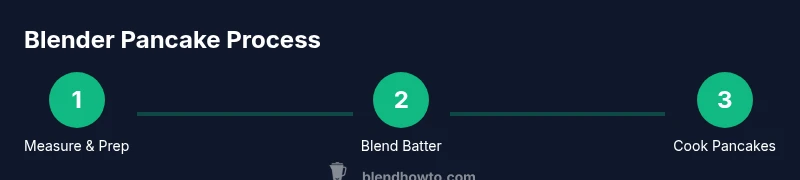
A reliable blender pancake method starts with dry and wet components prepared separately, then combined in short bursts to avoid overemulsification. Begin by measuring all dry ingredients into the blender (or a separate bowl if you prefer) and whisking briefly to break up clumps. Add wet ingredients next, including milk, eggs, and melted fat, and blend on low to medium speed until the mixture is mostly smooth with a few fine bubbles. Resting the batter briefly allows flour particles to hydrate and fats to emulsify, resulting in a tender pancake.
The cooking process should be done on a preheated, lightly greased pan. Spoon batter onto the hot surface, watching for bubbles to form on the surface before flipping. Flip gently and cook the second side until golden. This technique yields pancakes with uniform texture and a light, airy crumb.
Resting the batter and temperature control
Resting pancake batter is an often overlooked step that makes a noticeable difference. After blending, allow the batter to rest for a few minutes. This pause lets starch grains hydrate fully and any air entrapped during blending to settle, producing a more evenly textured pancake. Temperature control is just as important: cook on medium heat so the pancakes cook through without burning on the outside. If your heat is too high, the exterior will burn before the interior sets; if it’s too low, pancakes will turn out pale and dense. A drop of batter should start to sizzle gracefully when it hits the pan, signaling the right temperature.
Flavor ideas and variations
One of the joys of blender pancakes is how easily you can customize them. Classic vanilla pancakes pair well with maple syrup and butter, but you can also fold in fresh berries, citrus zest, or a pinch of cinnamon for warmth. For a richer texture, substitute part of the milk with yogurt or sour cream. For a lighter feel, reduce the sugar slightly or substitute half the flour with cornstarch. For kid-friendly fun, add chocolate chips or small pieces of fruit. The blender ensures the batter remains smooth even with mix-ins, so you won’t overmix to accommodate them.
Healthier twists and dairy-free options
If you’re aiming for healthier pancakes, you can adjust the recipe by using whole-grain flours, reducing sugar, and adding a splash of vanilla for sweetness. Dairy-free options include using almond, soy, or oat milk and a neutral oil or melted coconut oil in place of butter. To increase protein, whisk in a scoop of plain yogurt or a small amount of cottage cheese, blended smoothly with the wet ingredients. The blender makes it easy to incorporate these adaptations without losing batter consistency, helping you maintain texture and flavor while meeting dietary preferences.
Troubleshooting common issues
If your pancakes turn out dense, check your flour-to-liquid ratio and ensure you’re not overmixing the batter after adding liquids. Overworking gluten or slowing the resting time can tighten the texture. If the batter is too thin, add a tablespoon or two of flour and blend briefly to adjust. If there are large lumps, pulse gently to break them up without overdoing it. Temperature is another culprit: cooking at too high a heat creates a dark crust with a pale center, while too low a heat makes the pancakes take too long to set. A well-tuned setup will produce pancakes that are evenly colored and tender inside.
Batch cooking, storage, and reheating
Blender pancakes reheat nicely. Store leftovers in an airtight container in the fridge and reheat briefly in a nonstick pan or microwave, as desired. When freezing, let the pancakes cool completely, then stack with parchment between layers to prevent sticking. Reheating in a pan with a light coating of butter can revive the crisp edges. To keep texture consistent across a batch, reblend the batter briefly before cooking if it has settled after sitting in the fridge.
Quick cleanup and maintenance tips
Cleaning a blender after pancake batter is straightforward: rinse immediately to prevent batter from drying and sticking to the blades, then wash with warm soapy water. If grease builds up on the pan, wipe with a lightly oiled paper towel between batches to maintain nonstick performance. Regularly check the blender blade assembly and seals for wear, especially if you blend thick batters often. With a little routine care, you’ll keep your blender ready for fast, reliable pancake mornings.
Tools & Materials
- Blender with pitcher(Tall, sturdy pitcher preferred)
- Measuring cups and spoons(Accurate ratios matter)
- Nonstick skillet or griddle(Preheat to medium heat)
- Spatula(For flipping and serving)
- Mixing bowl (optional)(Helpful for dry mix separation)
- Whisk or fork (optional)(Helps break up clumps before blending)
- Butter or oil for cooking(Lightly grease surface)
- All-purpose flour(For batter base)
- Milk (dairy or plant-based)(Hydrates flour; choose unsweetened)
- Eggs(Bind and enrich batter)
- Granulated sugar(Balances flavor)
- Baking powder(Leavening for lift)
- Salt(Enhances flavor)
- Vanilla extract (optional)(Adds aroma)
Steps
Estimated time: 25-40 minutes
- 1
Measure and prep ingredients
Gather all ingredients and measure them accurately. Use separate bowls or the blender jar to keep dry and wet components organized. This minimizes guesswork and ensures a smooth batter from the start.
Tip: Use a kitchen scale for precision, especially for flour. - 2
Add dry ingredients to blender
Add flour, sugar, baking powder, and salt to the blender. Pulse briefly to break up any clumps and to distribute the leavener evenly before adding liquids.
Tip: Pulsing once or twice prevents overmixing early and keeps batter light. - 3
Add wet ingredients
Pour milk, eggs, and melted fat (butter or oil) into the blender with the dry mix. If using vanilla, add it now. This prevents uneven distribution of flavors and fats.
Tip: Melt butter first to prevent solid chunks and ensure smooth blending. - 4
Blend until just combined
Blend on low to medium speed in short bursts until the batter is mostly smooth with a few small lumps. Overmixing can activate gluten and yield tougher pancakes.
Tip: Stop as soon as the batter comes together; a few tiny lumps are fine. - 5
Rest the batter
Let the batter rest for 5–10 minutes to hydrate flour and relax gluten. This yields a more even texture and helps pancakes cook uniformly.
Tip: Cover lightly to prevent a skin from forming on top. - 6
Preheat and grease the pan
Heat your skillet to medium and brush with a light coating of oil or butter. A properly preheated surface helps pancakes release easily and prevents sticking.
Tip: Drop a small amount of batter to test; it should sizzle gently. - 7
Cook pancakes
Pour batter in rounds about 1/4 cup each. Cook until bubbles form and edges look set, then flip and cook until the second side is golden.
Tip: Avoid pressing down on pancakes; this compresses air and makes them dense.
Frequently Asked Questions
Can I make blender pancakes without gluten?
Yes. Use a gluten-free flour blend and adjust liquids as needed. A rest helps hydration, and you can add a touch of yogurt or dairy-free milk to improve texture. Start with the same cooking method and monitor browning closely.
Yes, you can make blender pancakes with gluten-free flour blends; rest the batter and adjust liquids as needed.
Can I use a regular blender instead of an immersion blender?
Absolutely. Any blender with a tall pitcher and a steady blade can blend the batter. Use short pulses to avoid splashing, and blend until just combined for best texture.
Yes, a standard blender works well; blend in short pulses and stop when just combined.
What happens if I overblend the batter?
Overblending can develop gluten or over-aerate the mixture, leading to dense pancakes. If this happens, rest the batter and gently stir in a little flour or milk to adjust.
Overblending can make pancakes dense; rest and adjust with a touch of liquid or flour.
How long should batter rest before cooking?
Rest the batter for about 5–10 minutes to hydrate flour and improve texture. Longer rests can be fine in a fridge for brief cold storage, then bring back to room temperature before cooking.
Rest for about 5 to 10 minutes, or a bit longer if you’re refrigerating.
Why are my pancakes turning out dense or flat?
Causes include too much flour, not enough liquid, or overmixing. Ensure accurate measurements and avoid overmixing after liquids are added. Adjust the batter thickness if needed and keep heat steady.
Dense pancakes often mean too much flour or overmixing; adjust batter and keep heat steady.
Can I freeze blender pancakes for later?
Yes. Let cooled pancakes cool completely, then freeze in a single layer before stacking. Reheat in a dry skillet or toaster oven to restore texture.
Yes, you can freeze and reheat for later.
Watch Video
What to Remember
- Blend dry and wet ingredients separately for consistency
- Rest batter to hydrate flour and set texture
- Cook on even medium heat for even browning
- Experiment with add-ins for variety
- Clean as you go to speed up breakfast prep